Making History • HIST 1105 • Week 13.1
Science and Medicine
- Background: Sarah Maza, Thinking About History (2017), ch. 3: “The History of What?”, 83–108
- Steven Shapin, The Scientific Revolution (1996), Introduction, 1–14
- Charles E. Rosenberg, “Framing Disease: Illness, Society, and History,” in Rosenberg and Janet Golden, eds., Framing Disease (1992), xiii–xxvi
- Optional: Thomas Kuhn, The Structure of Scientific Revolutions (1962), 1–22
Kuhn is cited by the pages of the second edition (1970). Rosenberg’s introduction is numbered in roman numerals. Johns is quoted from The Nature of the Book (1998), ch. 1.
Section one · science
From great men to knowledge made by many people
1913–36 · the old story
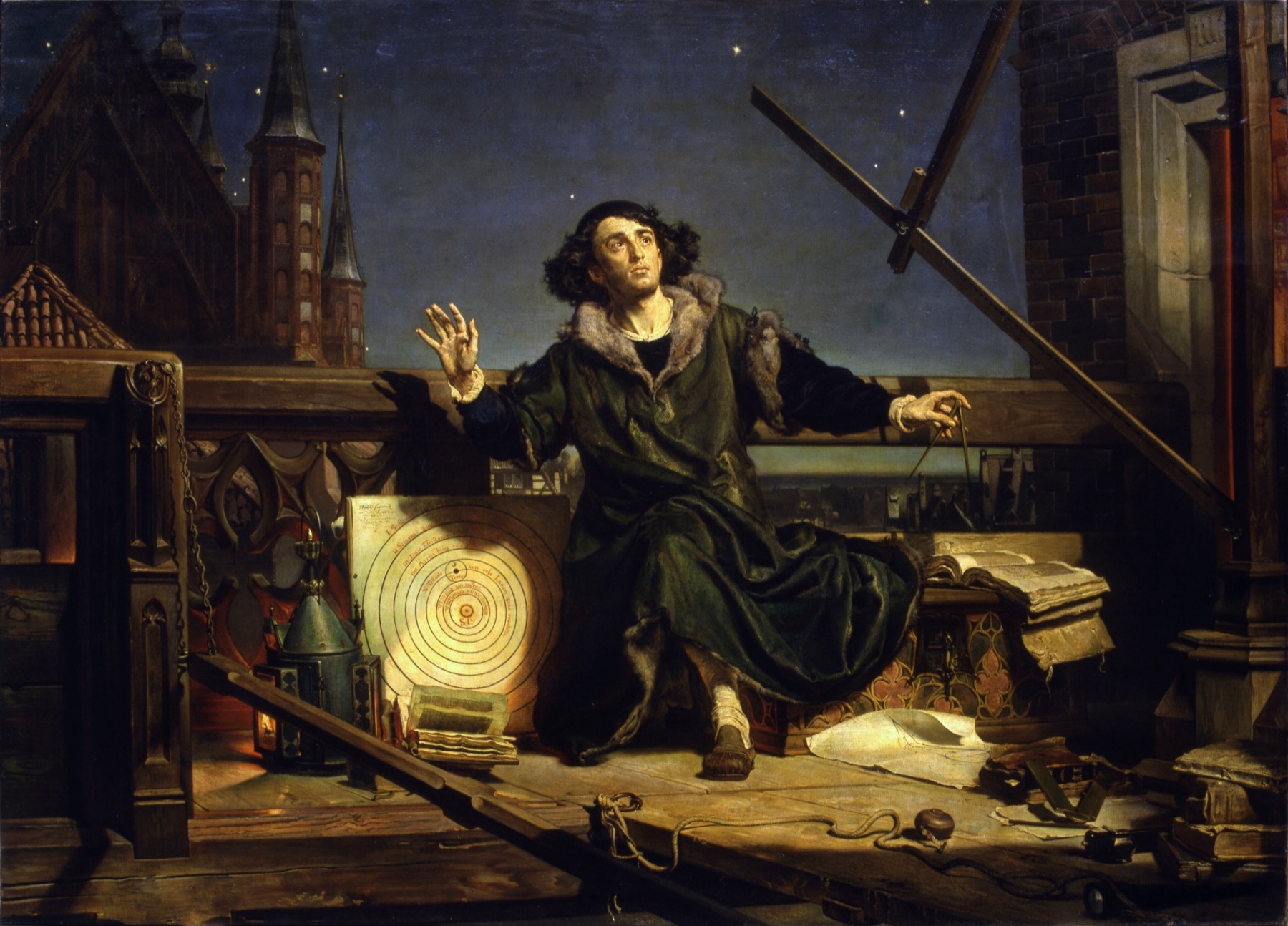
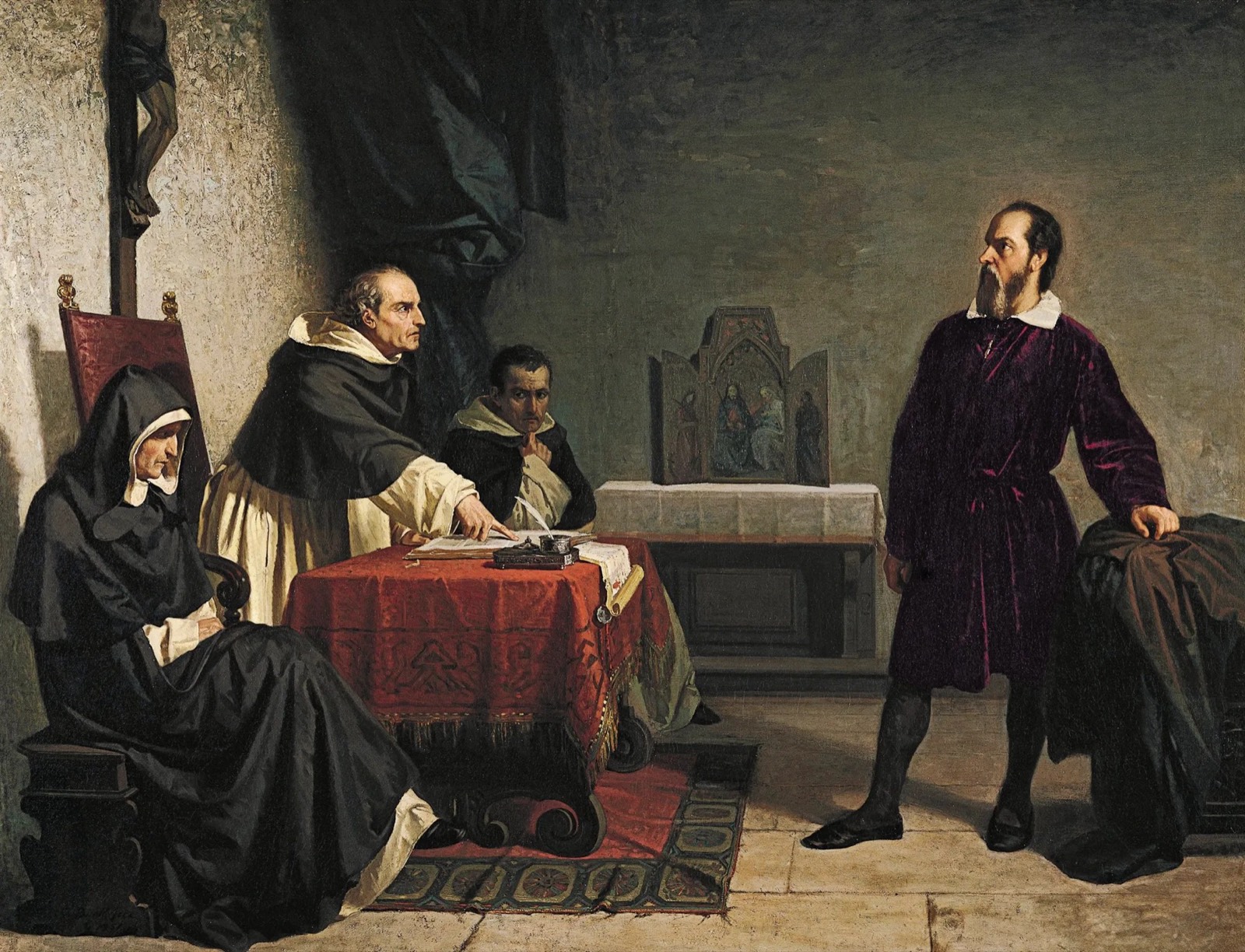
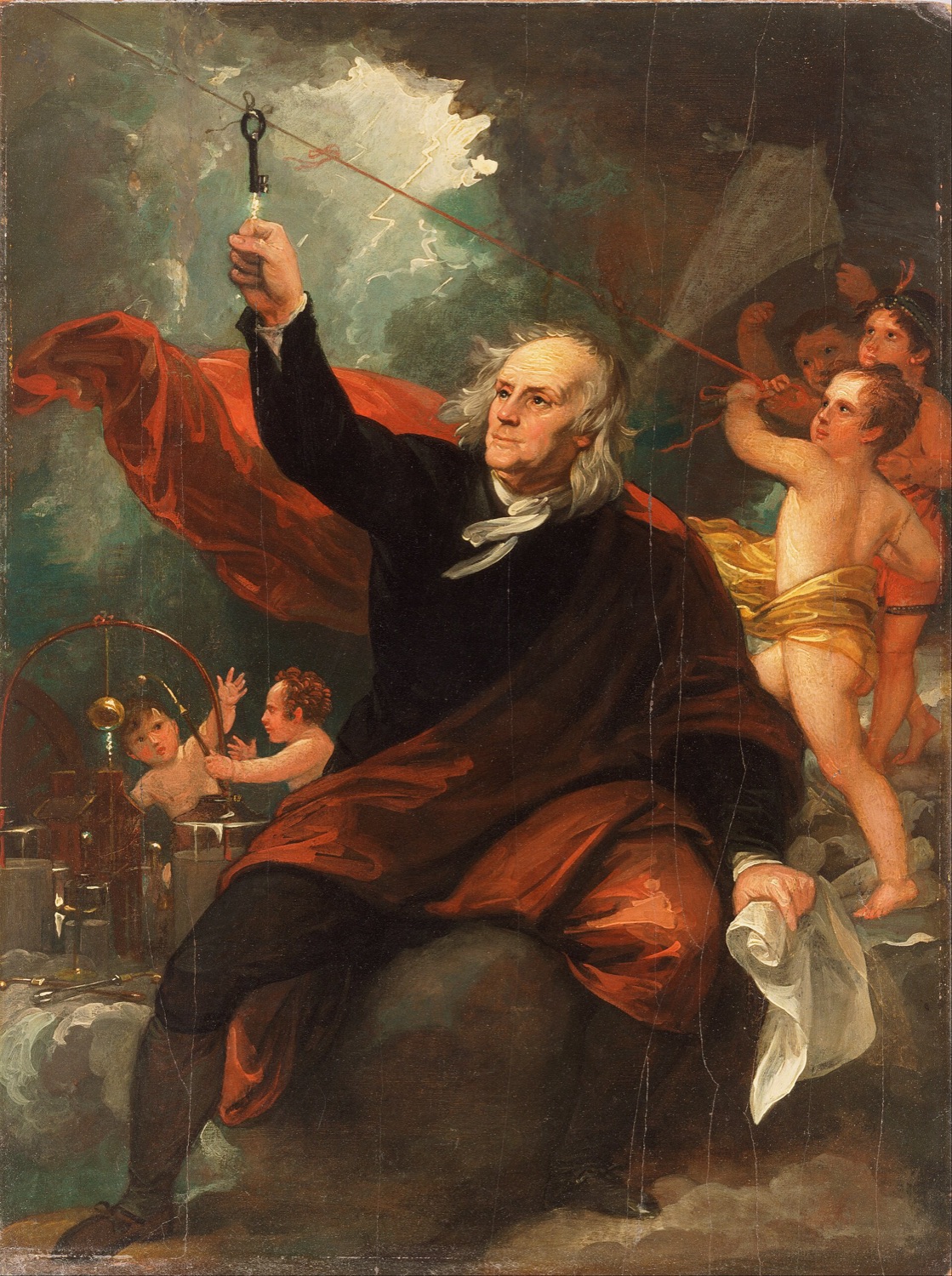
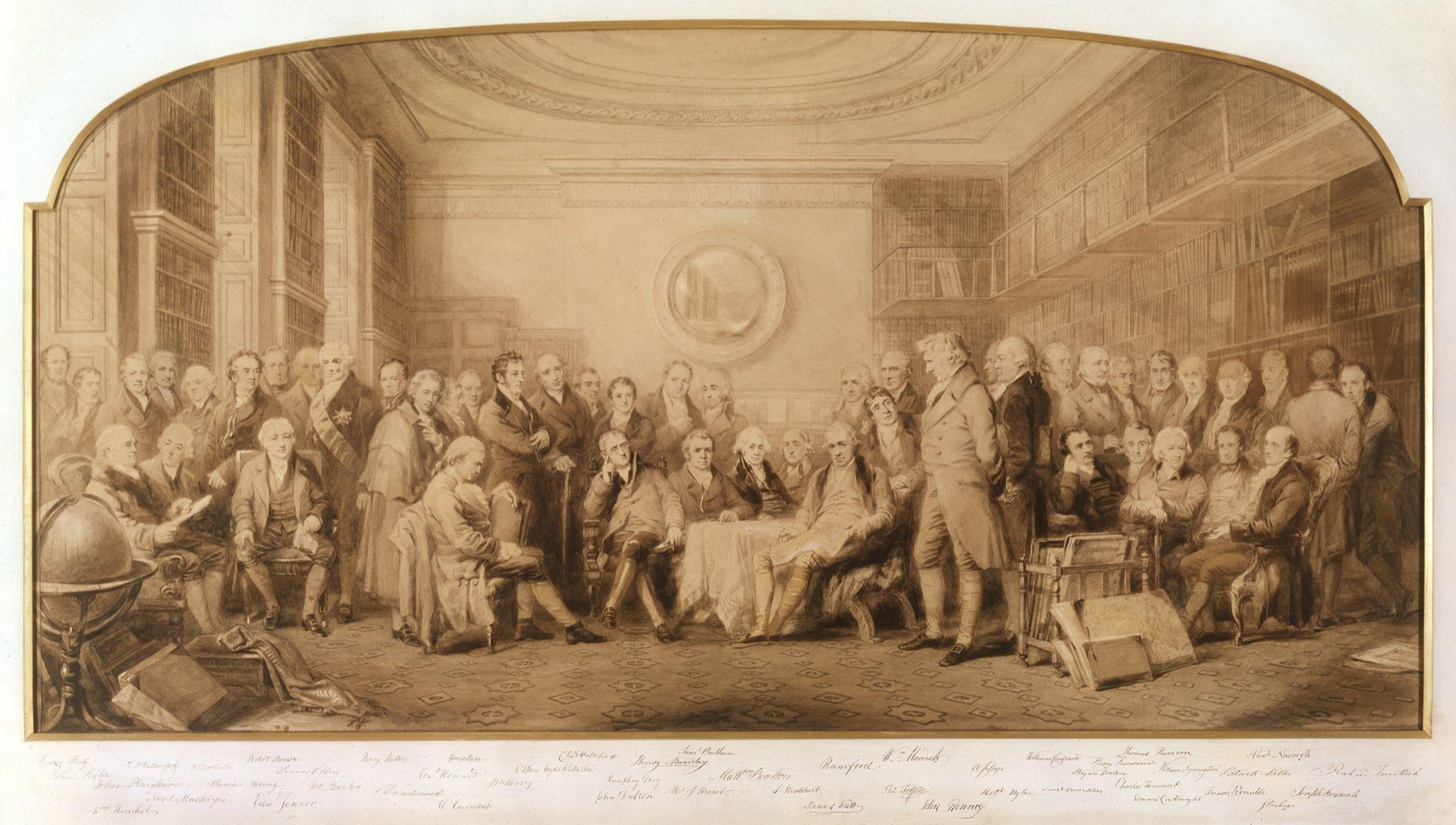
Early histories credited a few chosen spirits and the occasional genius
Garrison, An Introduction to the History of Medicine (1913)
“It is no exaggeration to say that science owes most to the shining individualism of a few chosen spirits.” (p. 36)
Lovejoy, The Great Chain of Being (1936), in Maza’s words
“Ideas, in this sort of approach, are like a set of building blocks with which thinkers play and from which the occasional genius constructs something dazzling” (Maza, pp. 86–87)
Discuss
Who disappears from a history that credits “a few chosen spirits”?
(Wikimedia Commons. Public domain.)
(Wikimedia Commons. Public domain.)
(Philadelphia Museum of Art, via Google Art Project and Wikimedia Commons. Public domain.)
(National Portrait Gallery, London, via Wikimedia Commons. Public domain.)
1931–49 · the old story
Science was told as the making of the modern world
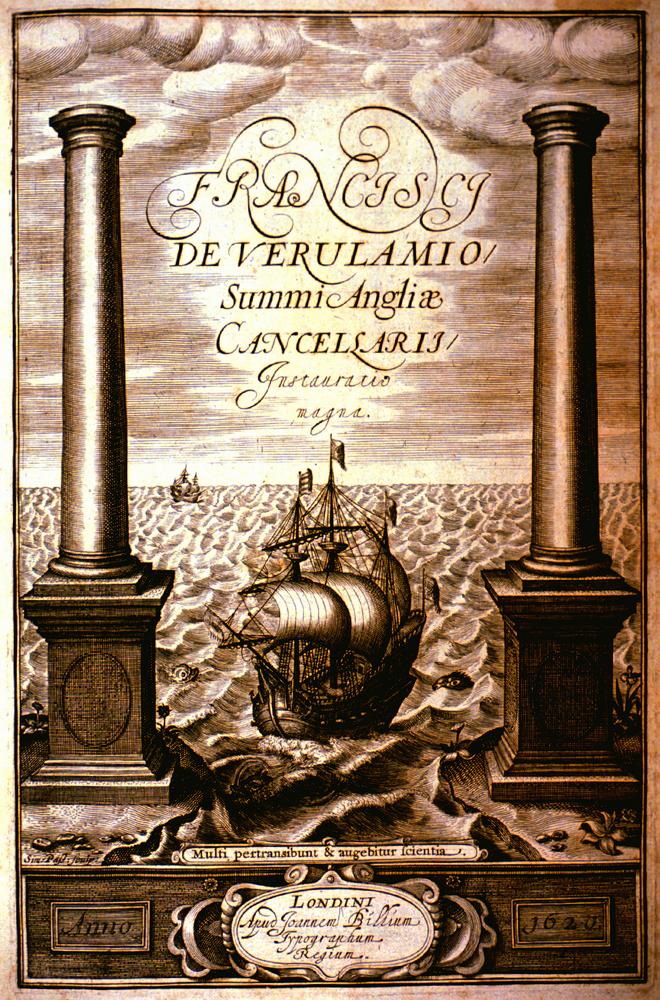
The Scientific Revolution “outshines everything since the rise of Christianity and reduces the Renaissance and Reformation to the rank of mere episodes” Herbert Butterfield, The Origins of Modern Science (1949), quoted in Shapin, p. 1
The “Whig interpretation of history,” named in 1931, judges the past as the road to the present.
Historians told science that way “through the Cold War” (Maza, p. 92).
Internal and external · 1930s
Historians split on whether science changed by its own ideas or by its society
Inside: ideas and methods
One school read Galileo’s science as a change in thought: mathematics, more than experiment, remade physics.
Outside: economics, religion, politics
Another tied Newton’s Principia to the needs of shipping, mining and war, and English science to Puritan values.
Internalist and externalist
Later historians named the sides. Internalists explain scientific change from inside science, by ideas, methods and evidence; externalists by the economics, religion and politics outside it. The old story of great geniuses was largely internalist.
Kuhn · 1962 · the turn
Kuhn: historians now judged old science by its own time
“Rather than seeking the permanent contributions of an older science to our present vantage, they attempt to display the historical integrity of that science in its own time.”
Paradigms, not accumulation
Kuhn called a shared model of “problems and solutions” a paradigm. When misfit results pile up, a crisis brings a new paradigm, “incommensurable” with the old: the two can’t be judged by the same standards (Maza, p. 93, on Copernicus).
Discuss
If paradigms can’t be judged by the same standards, in what sense is later science better science?
1970s · science and the occult
Newton’s gravitation was rooted in alchemy
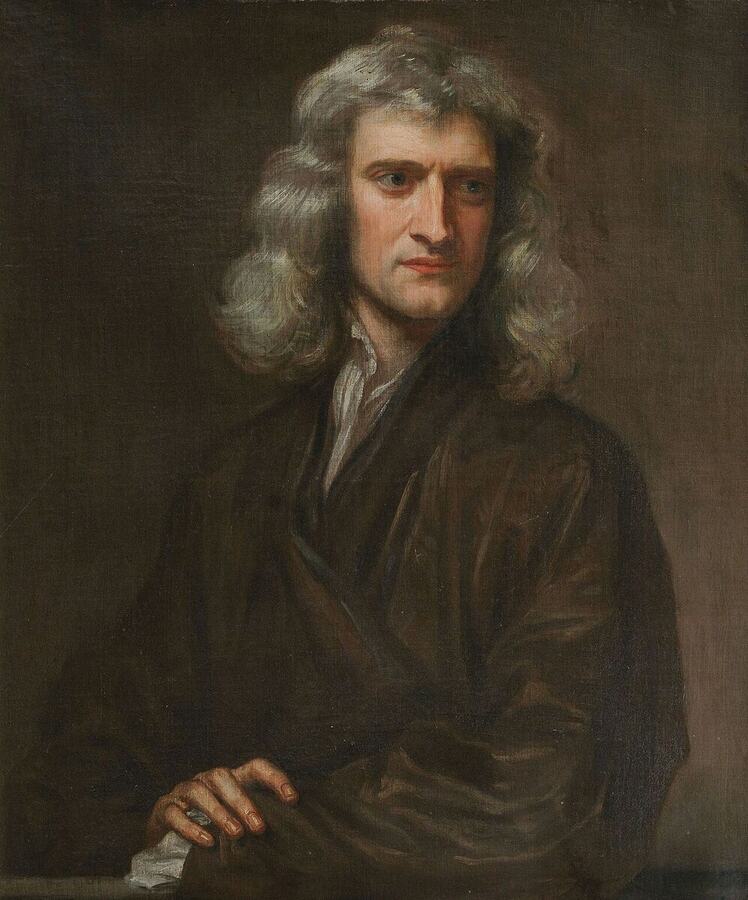
His work toward gravitation was “rooted in the great scientist’s avid and extensive research into the ‘dark arts’ of alchemy.” Maza, Thinking About History, p. 99
The line between science and “occult” pursuits hardened only in the eighteenth century (p. 99).
1979 · the laboratory
Social scientists followed a laboratory as it made facts

“There is as much society inside the scientist’s laboratory, and internal to the development of scientific knowledge, as there is outside.” Shapin, The Scientific Revolution, p. 10
Laboratory Life (1979) followed scientists at a Salk Institute laboratory in California, as an anthropologist would follow a village.
They saw facts take shape through arguing, writing and persuading. The first subtitle was The Social Construction of Scientific Facts.
1979 · print
One argument held that print made the Scientific Revolution possible
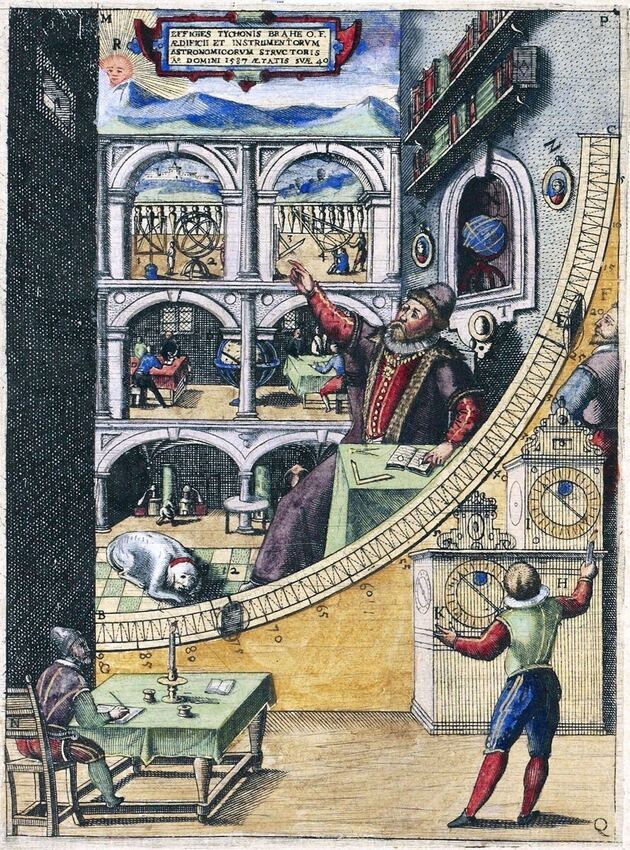
“The ‘Scientific Revolution’ was thus inconceivable without a preceding printing revolution.” Adrian Johns, The Nature of the Book (1998), p. 11, summarizing the argument
Print gave texts “fixity”: the same words, repeatable anywhere (Johns, p. 10).
Its hero was Tycho Brahe, who set printed rival models of the universe side by side and saw where they disagreed (pp. 10–11).
After Kuhn · 1970s–80s · constructivism
Constructivists treated scientific knowledge as something people make
“the belief that scientific knowledge is a human creation, made with available material and cultural resources, rather than simply the revelation of a natural order that is pre-given and independent of human action.”
Compare · Week 10.1
The linguistic turn read sources as “texts,” not transparent windows onto the past. Constructivists treated scientific knowledge the same way: as made, not simply found.
Discuss
If a belief has a social cause, has anyone yet said whether it is true?
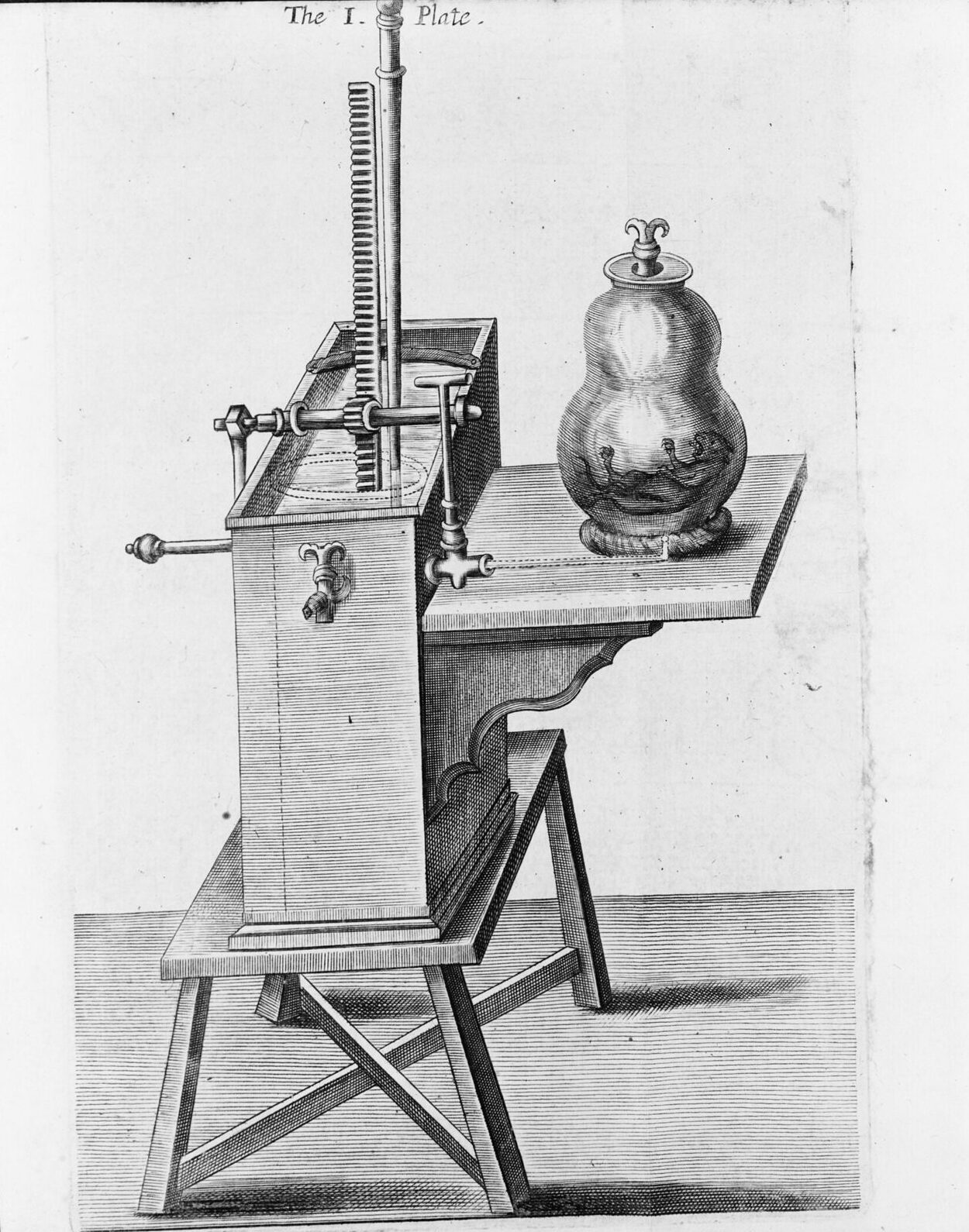
(Library of Congress. Public domain.)
1985 · politics
The air-pump dispute was also a dispute about political order
“solutions to the problem of knowledge are solutions to the problem of social order.”
England, 1660
After two decades of civil war, Boyle’s experimenters stood for freedom used responsibly. Hobbes, author of Leviathan, a defense of absolute rule, trusted only mathematical proof in science and a single authority in the state (pp. 96–97).
Shapin · 1994 · trust
Shapin argued that experimental science flourished in England because gentlemen did it
“Experimental science flourished in seventeenth-century England, Shapin argues, because it was conducted by a group of elite practitioners—’gentlemen,’ members of the landed upper class—who both trusted one another and had moral authority in the society at large.”
Discuss
Whom do you trust on science today, and what makes them trustworthy: credentials, numbers or someone like you?
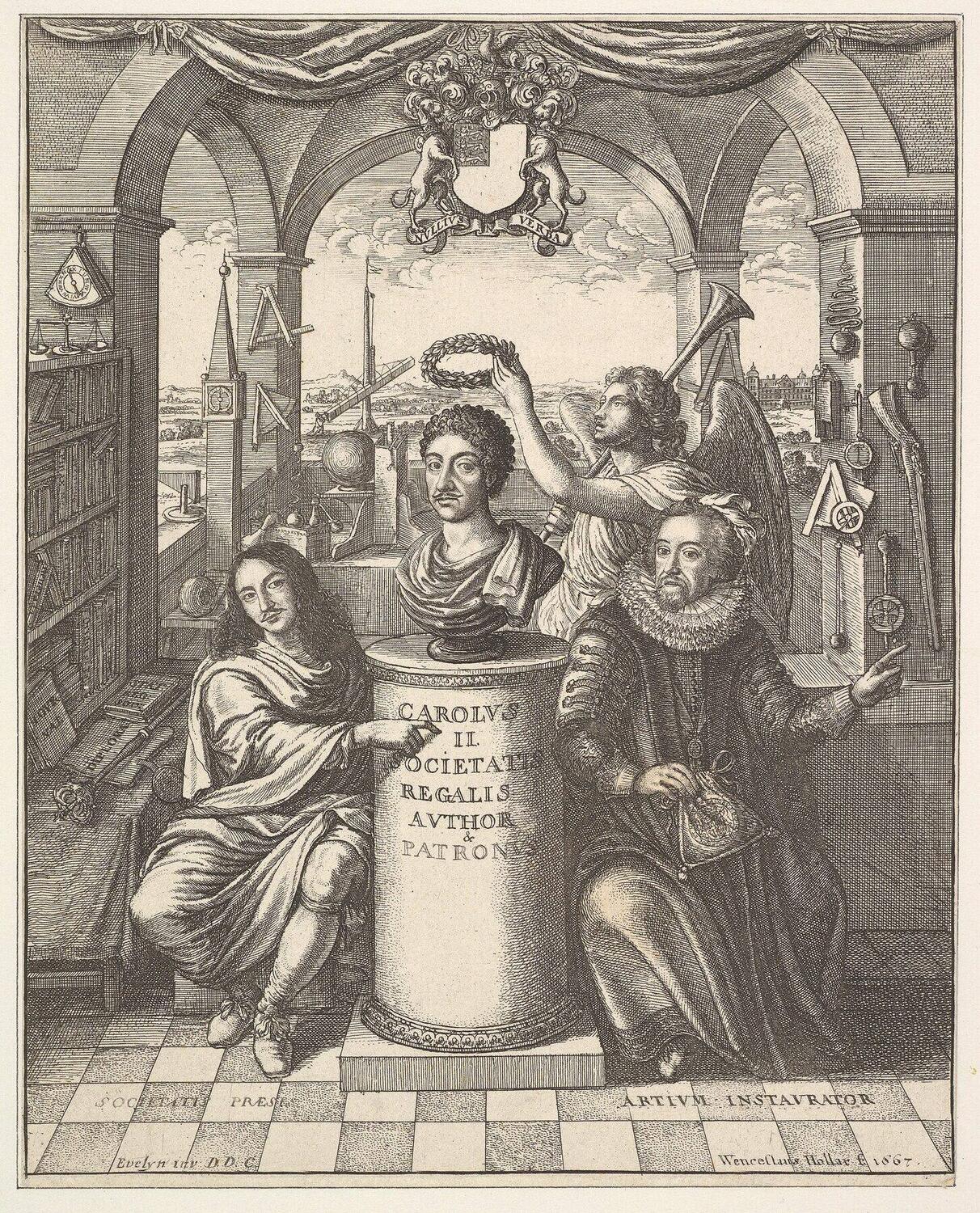
(Wenceslaus Hollar after John Evelyn. Metropolitan Museum of Art. CC0.)
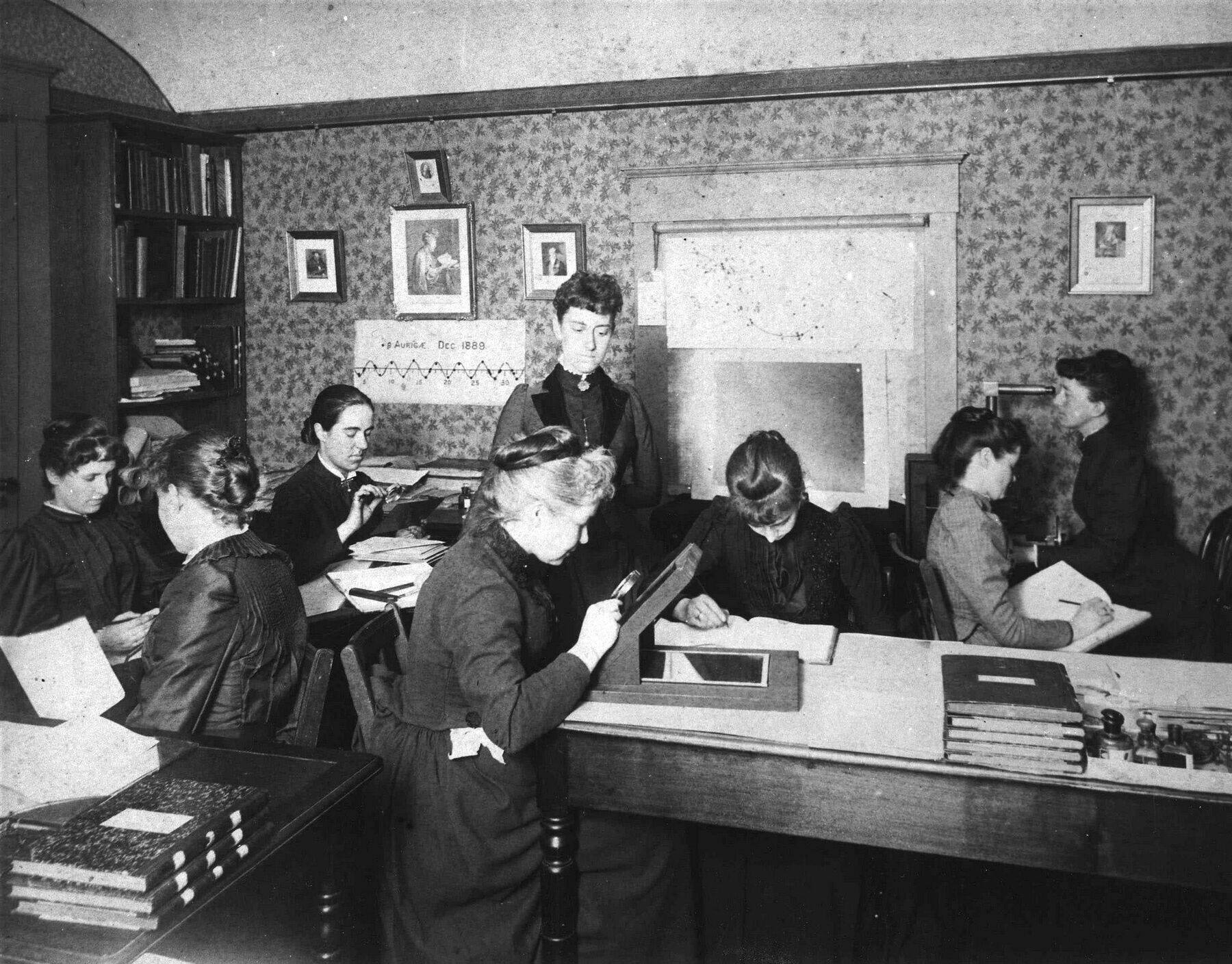
(Harvard College Observatory. Public domain.)
Shapin · 1996
Shapin opens by denying that the Scientific Revolution happened
“There was no such thing as the Scientific Revolution, and this is a book about it. Some time ago, when the academic world offered more certainty and more comforts, historians announced the real existence of a coherent, cataclysmic, and climactic event that fundamentally and irrevocably changed what people knew about the natural world … It was the moment at which the world was made modern, it was a Good Thing”
Shapin · 1996 · what is argued
Historians still argue about what the Scientific Revolution was
One event, or many practices?
Many historians doubt any “singular and discrete event,” and any single “science” or “scientific method” to revolutionize (pp. 3–4).
A break, or continuity?
The continuity of seventeenth-century natural philosophy with its medieval past “is now routinely asserted” (p. 4).
Ideas, or practices?
Older accounts treated ideas as if they “floated freely in conceptual space.” Newer ones ask what people did to make an observation or run an experiment (p. 4).
Inside, or outside?
Whether science’s causes were intellectual or social was long argued. Shapin calls the split “a rather silly demarcation” (p. 9).
Shapin, The Scientific Revolution, pp. 3–4, 9
Shapin · 1996 · who took part
Shapin asks who was left out of the Scientific Revolution
“The half of the European population that was female was in a position to participate in scientific culture scarcely at all, as was that overwhelming majority—of men and women—who were illiterate or otherwise disqualified from entering the venues of formal learning.”
Revolution for whom?
If only a few took part, “in what sense, if at all,” was it the moment “modernity was made, for ‘us’”? (pp. 4–5).
Shapin · 1996 · ancestors
Shapin still tells the story, as one about our ancestors
“Yet there is absolutely no reason we should not want to know how we got from there to here, who the ancestors were, and what the lineage is that connects us to the past.”
Such stories, he warns, are “not likely to be sensitive accounts of how it was in the past”: Galileo, Descartes and Boyle were hardly typical of their countrymen (p. 7).
Discuss
Is it wrong to judge the past as the road to the present if the road really did lead here?
1998 · print and trust
Printed books had to earn trust, a later historian argued
“In such a world, questions of credit took the place of assumptions of fixity.” Adrian Johns, The Nature of the Book (1998), p. 31
Early print was full of piracy and error, so readers had to decide which books to believe (p. 31). Even Tycho could not get his star catalogue printed (p. 18).
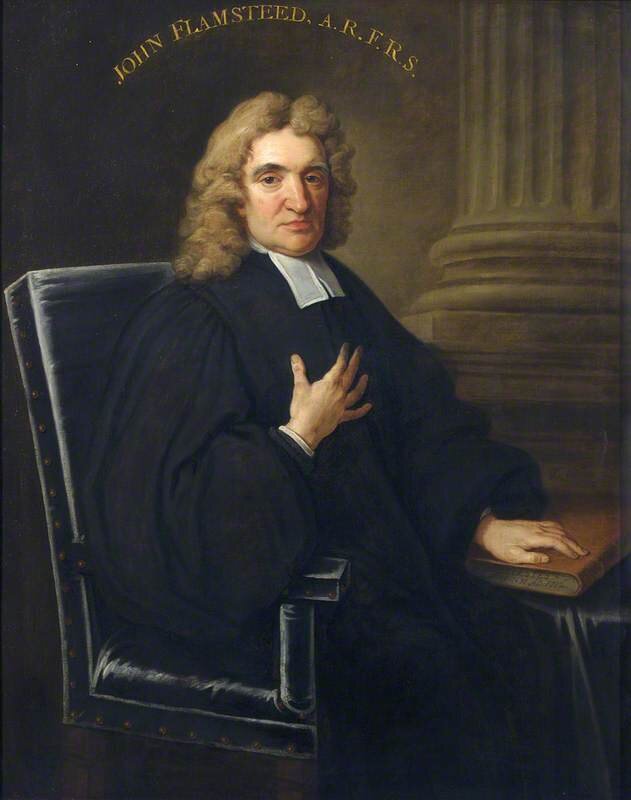
In 1712 Newton and Halley printed an astronomer’s star catalogue against his “vehement opposition” (p. 55).
Print and trust
One view put authority in the printed page; another put it in readers
Print fixes texts (1979)
Print fixed texts, so scholars could compare, correct and build on them. The Renaissance and Reformation were “rendered permanent” by permanent texts (as Johns summarizes it, p. 11).
Readers make print trustworthy (1998)
Fixity “exists only inasmuch as it is recognized and acted upon by people” (p. 19). Printed texts were trusted “only as a result of hard work” (p. 36).
From gentlemen to books
The later view builds on Shapin’s trust: not only whom to believe, but which printed books (p. 31). The two authors argued it out in the American Historical Review in 2002.
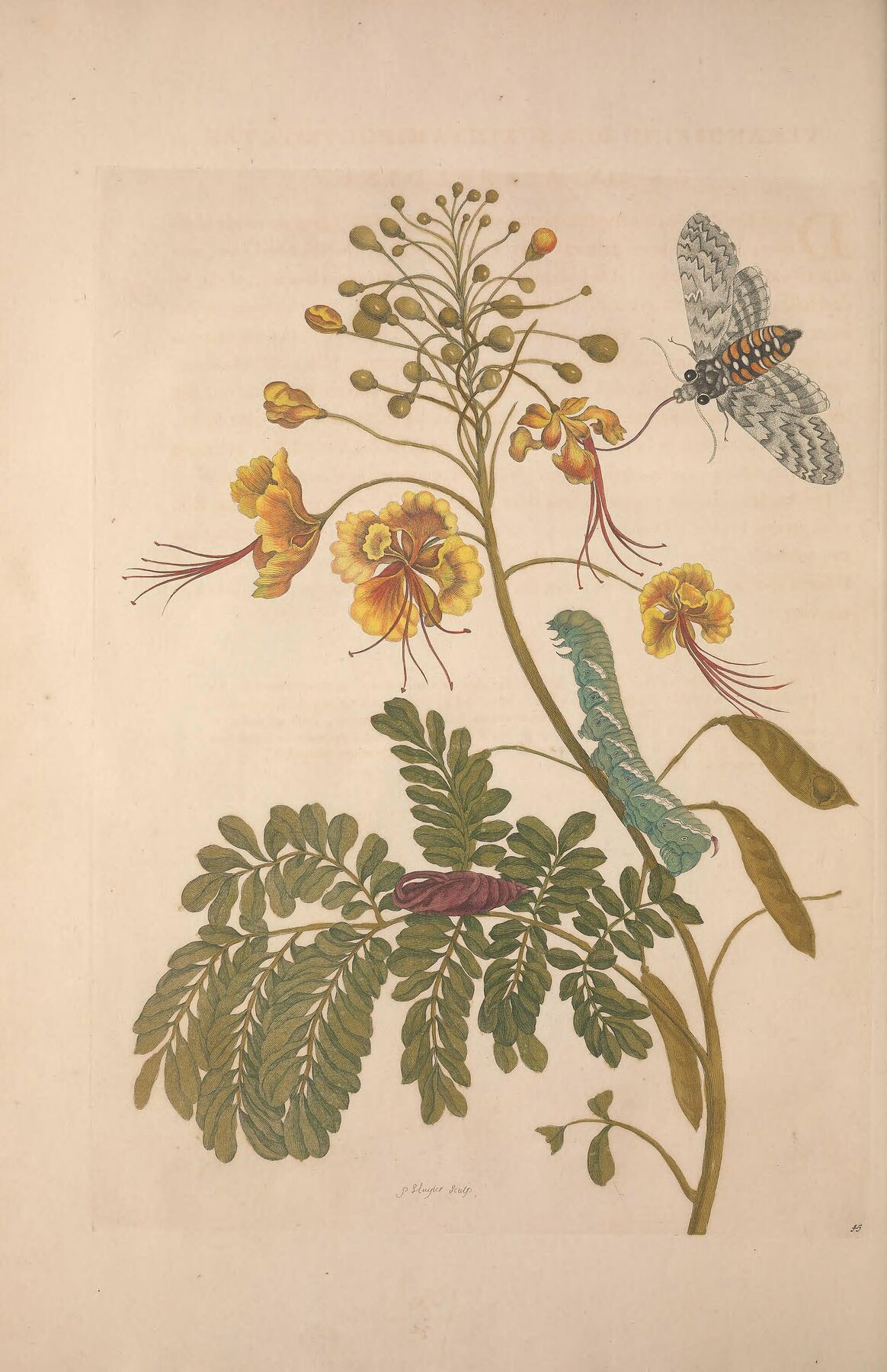
(Biodiversity Heritage Library. Public domain.)
2007 · objectivity
Scientific objectivity itself has a history
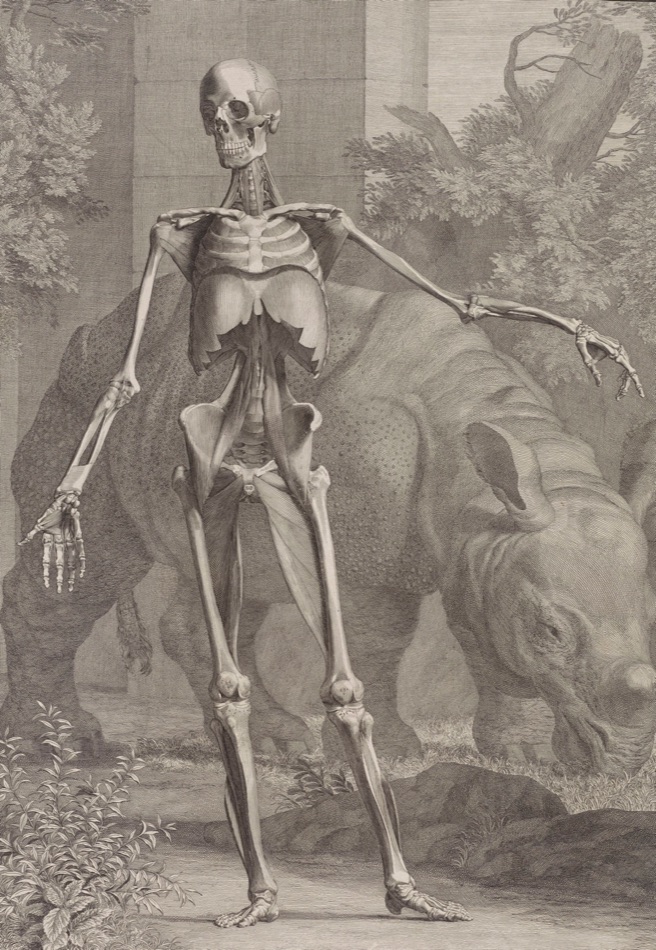
“The objectivity of the experimental matter of fact … was an artifact of certain forms of discourse and certain modes of social solidarity.” Steven Shapin and Simon Schaffer, Leviathan and the Air-Pump (1985), quoted in Maza, p. 97
Objectivity (2007) traced scientific atlases and found self-restraint as an ideal of science taking shape only in the nineteenth century.
Earlier atlases trusted the expert’s eye to show the typical body.
2007 · circulation
Science was made through circulation between places, not spread from Europe

“the reframing of historians’ ‘where’ … from the single location to transnational and global expanses, all of which have entailed challenges to Eurocentrism.” Maza, Thinking About History, p. 116
Older accounts had Western science radiating from Europe. Relocating Modern Science (2007) argued that South Asia and Europe made it together.
Maza · 2017 · who did science
Science was practiced by many more people than the old story allowed
“Science, in short, was not just produced by savants in learned societies but practiced by all sorts of people with very concrete needs and agendas—performing at court, impressing wealthy friends, firing an intricate piece of pottery, or, in the case of wives and family members, providing unacknowledged assistance of every sort.”
Discuss
Shapin says women and the illiterate took part in scientific culture “scarcely at all”; Maza says “all sorts of people” practiced science. Who is right, and what is each counting as science?
Section two · medicine
From heroic doctors to the frames around disease
Doctors’ histories · to 1930
The history of disease was long written by doctors and moral writers
“Although it has been a traditional concern of physicians, antiquarians, and moralists, the study of disease is still comparatively novel for social scientists.”
The physicians’ version
Antiquarians were collectors of old things and texts. Doctors wrote most early histories of medicine: great men from Hippocrates to Pasteur beating back ignorance.
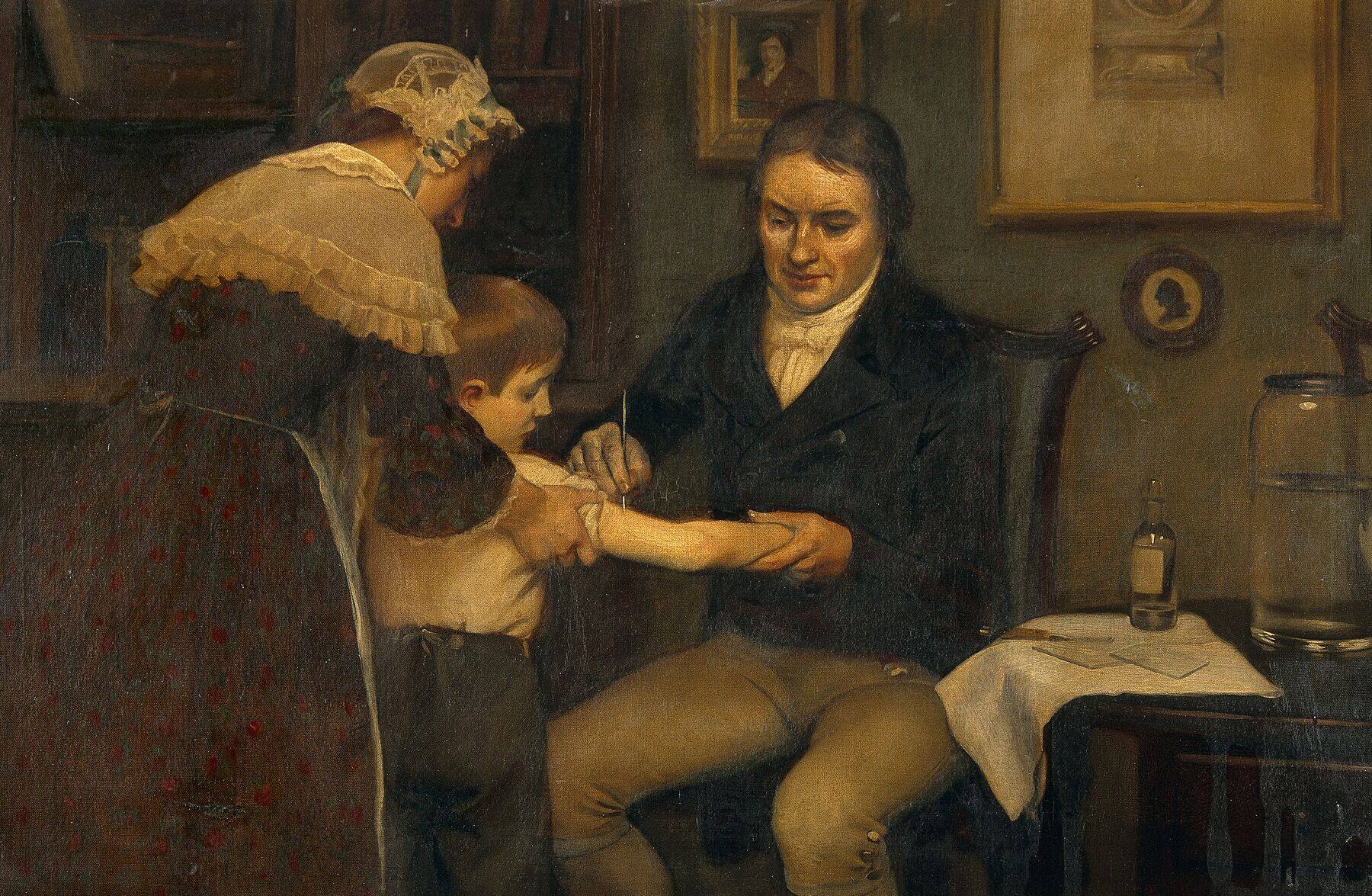
(Wellcome Collection. CC BY 4.0; frame cropped.)
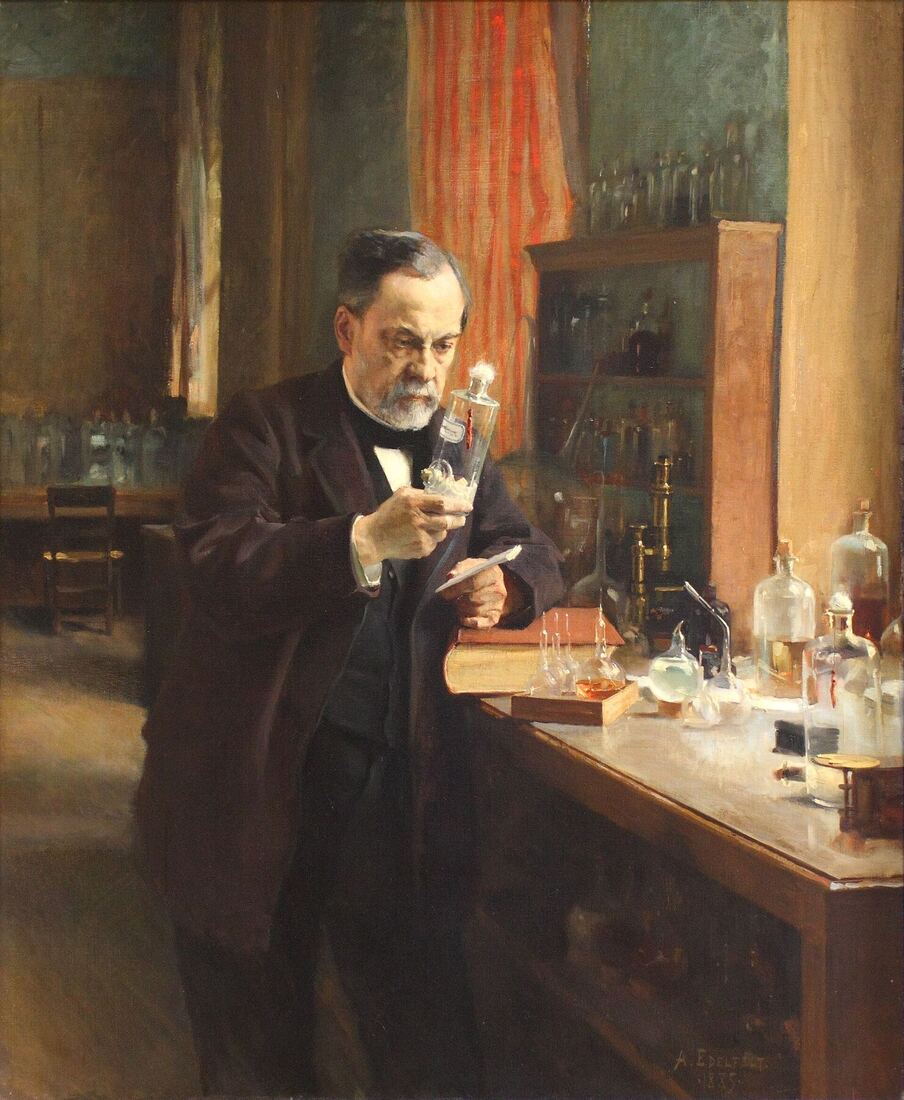
(Musée d’Orsay, via Wikimedia Commons. Public domain.)
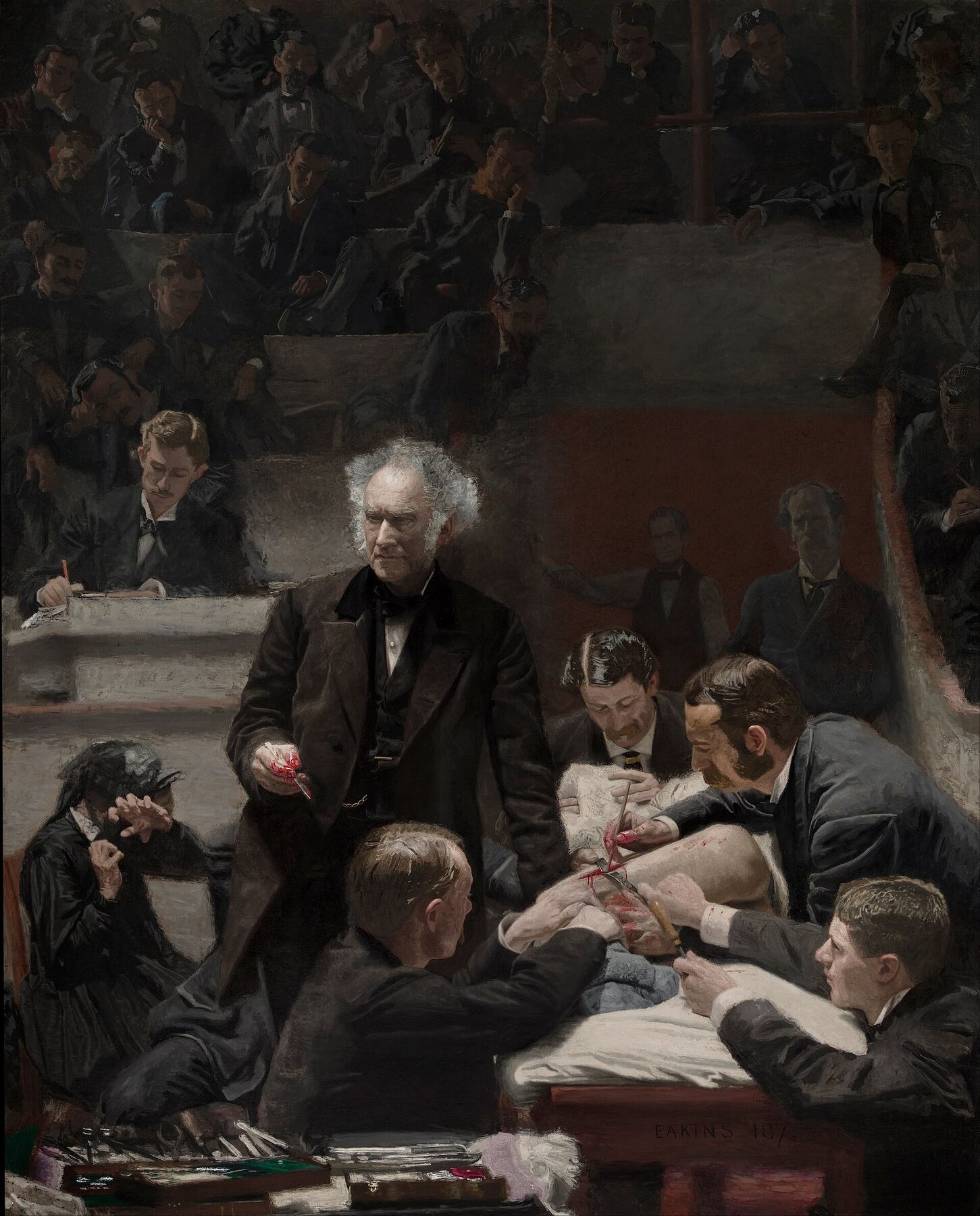
(Philadelphia Museum of Art and Pennsylvania Academy of the Fine Arts. Public domain.)
1930s–40s · society
Medicine’s history began to be written as part of society’s history
“Every aspect of medicine’s history is necessarily ‘social,’ whether acted out in laboratory, library, or at the bedside.”
One doctor-historian wrote about disease, health insurance and workers’ illness, not only doctors.
1961 · madness
The freeing of the mad came to be seen as a new kind of control
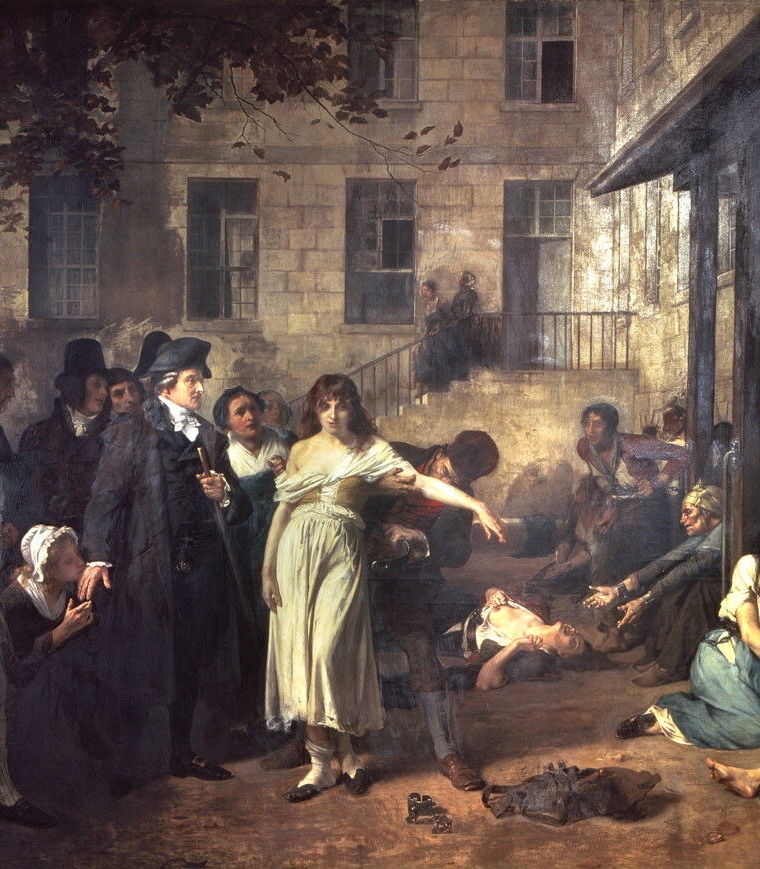
Critics came to see diagnoses “as tools of social control, as labels for deviance” Rosenberg, “Framing Disease,” p. xvi
Madness and Civilization (1961) argued that the asylum replaced chains with constant watching.
Deviance: behavior a society treats as abnormal.
Discuss
Was unchaining the mad an act of kindness or a quieter kind of control?
Rosenberg · 1962 · cholera
Rosenberg used cholera to understand American society
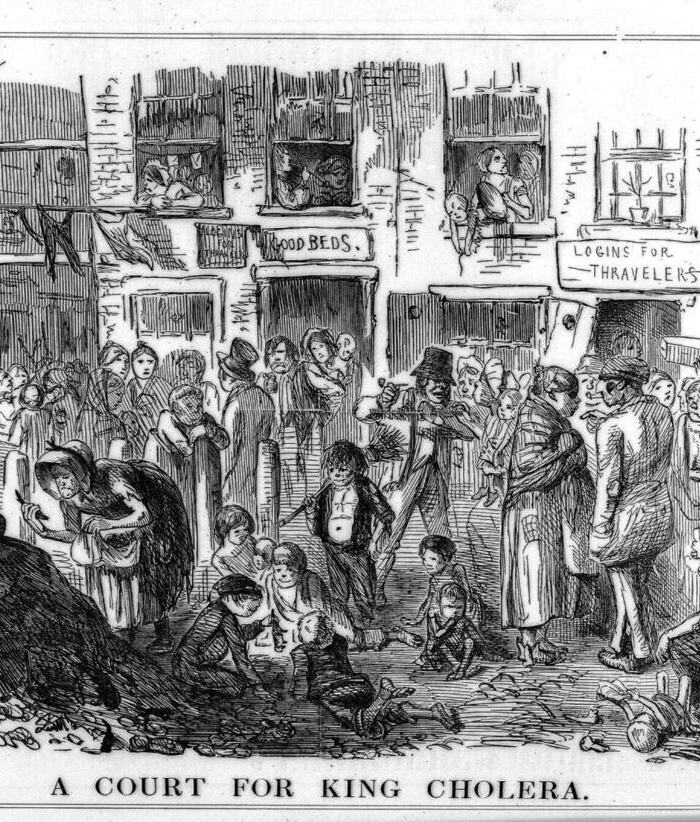
Once cholera was known to spread “through the water supply, policy choices were reframed not only in practical engineering terms but in political and moral ones.” Rosenberg, “Framing Disease,” p. xx
The Cholera Years (1962) followed the epidemics of 1832, 1849 and 1866. Americans first read cholera as punishment for sin, later as a problem of filth and water.
A disease showed what a society believed.
1970s · ecology
Historians made smallpox part of the conquest of the Americas
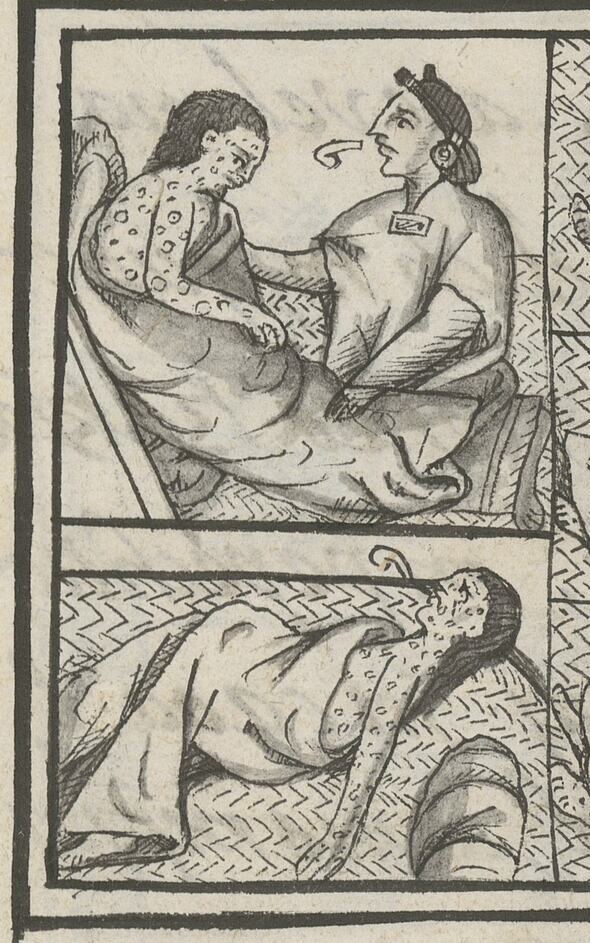
Historians took up “an ecological vision of history in which disease plays a key role, for example, in the Spanish conquest of Central and South America.” Rosenberg, “Framing Disease,” p. xv
The Columbian Exchange (1972) traced the plants, animals and germs that crossed the Atlantic after 1492. Plagues and Peoples (1976) went worldwide.
1976 · did medicine work?
Historians asked whether doctors deserved credit for longer lives
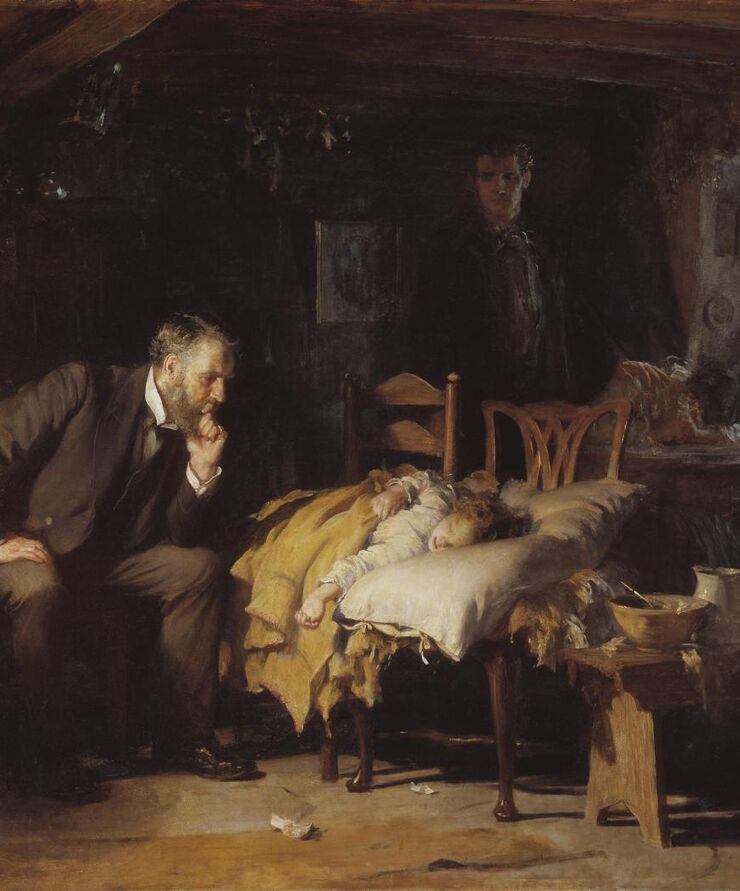
“How much credit should go to specific medical interventions … and how much to changed economic and social circumstances?” Rosenberg, “Framing Disease,” p. xv
The Modern Rise of Population (1976) argued that better food, more than medicine, cut tuberculosis deaths. The claim drew controversy (n. 7).
The policy question follows: spend on cures, or on prevention (p. xv)?
1970s–80s · construction
Historians argued that societies help decide what counts as a disease
Social construction “has forcefully reminded us that medical thought and practice are rarely free of cultural constraint, even in matters seemingly technical.”
Discuss
Does saying a disease is framed by society make it any less real to the person who has it?
1970s–80s · blame
Ideas about disease have carried a society’s views of race, gender and class
“It is difficult indeed to think of any significant area of social debate and tension—ideas of race, gender, class, and industrialization—in which hypothetical disease etiologies have not served to project and rationalize widely held values and attitudes.”
Theories of cause
An etiology is a theory of what causes a disease. Such theories often carried, and justified, blame. The debate “has hardly ceased,” he wrote, citing AIDS (p. xxii).
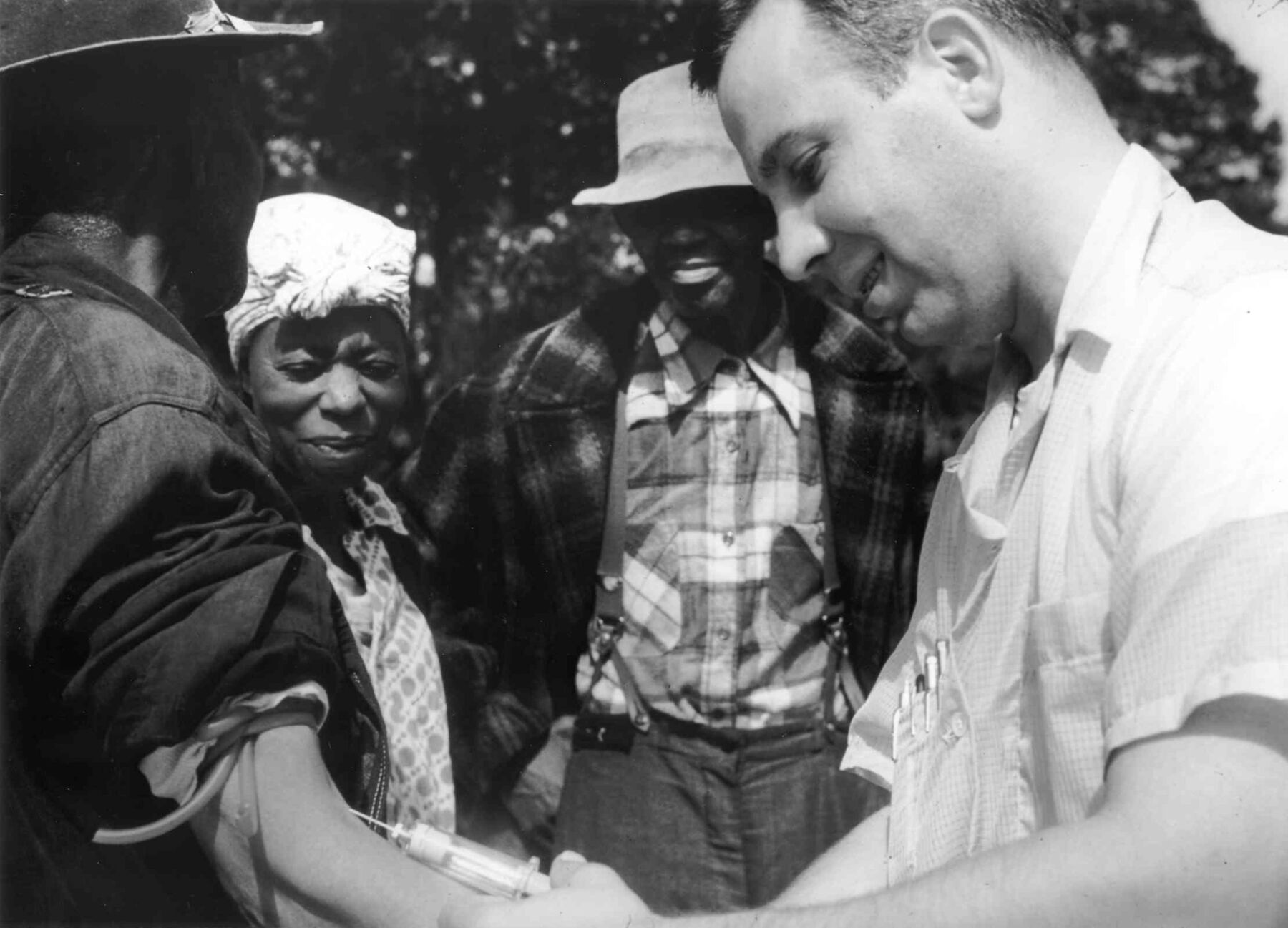
(National Archives. Public domain.)
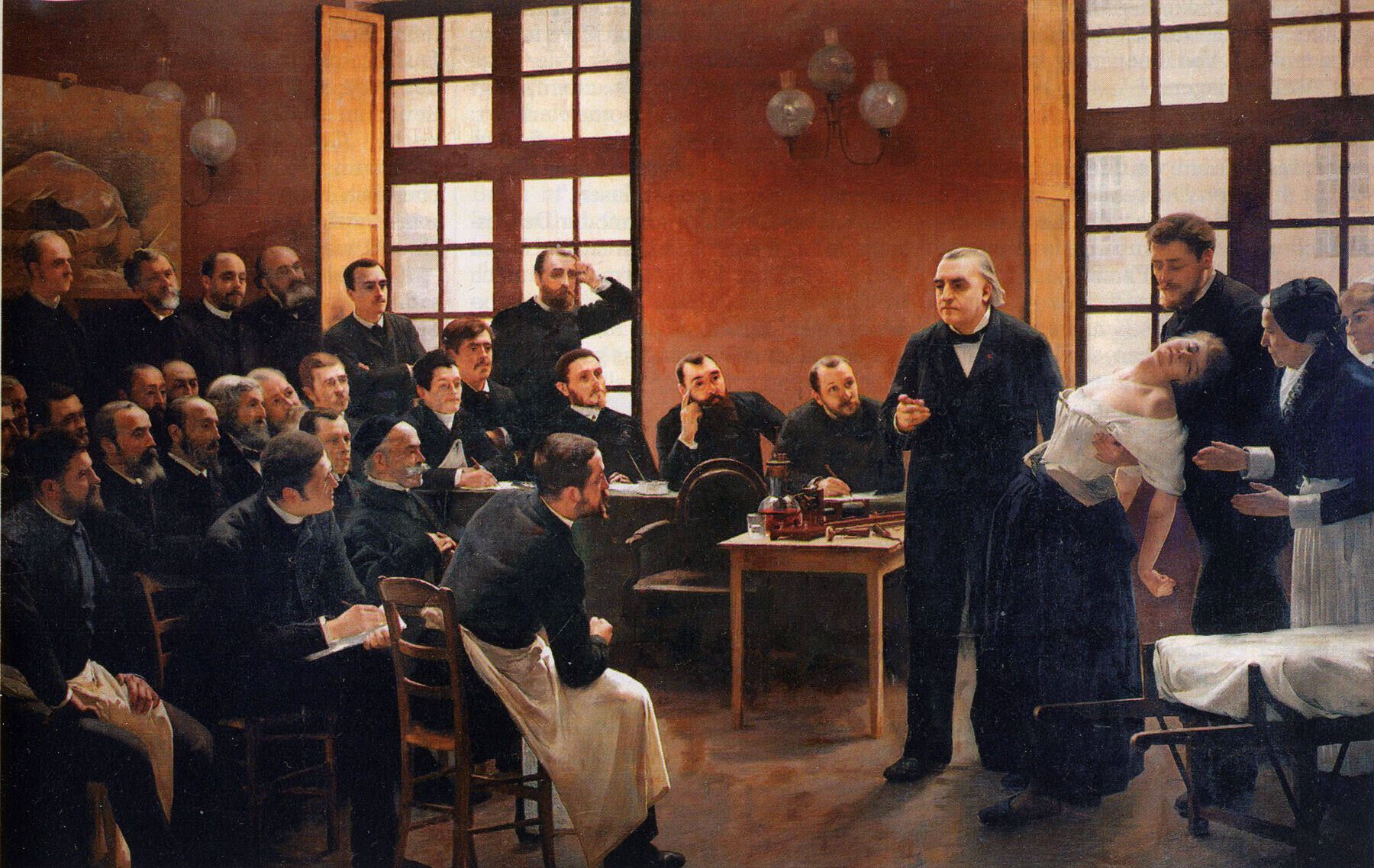
(Université Paris Cité. Public domain.)
1985 · patients
Historians called for medical history from the patient’s side
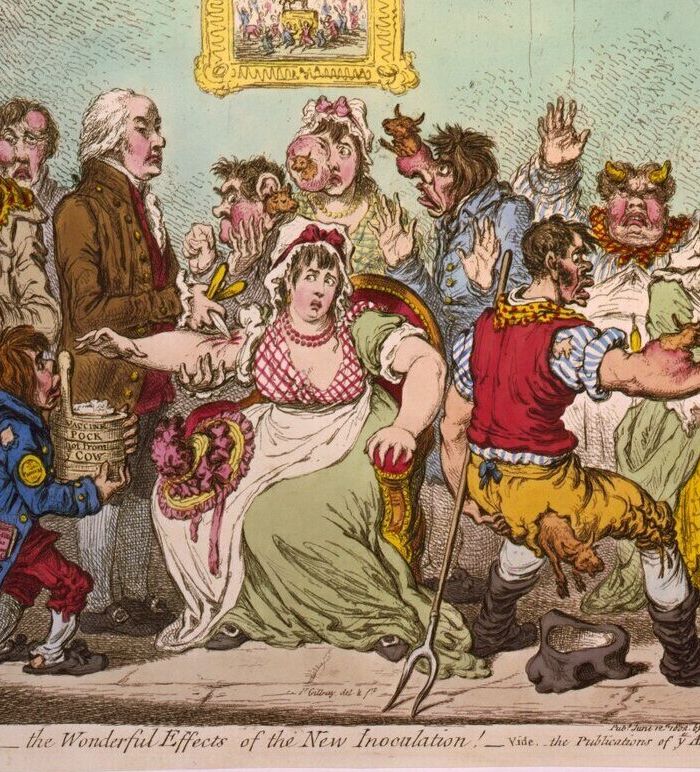
Rosenberg names, as one trend, “the emphasis among professional historians on social history and the experience of ordinary men and women.” Rosenberg, “Framing Disease,” p. xv
A 1985 essay asked for medical history from below, from the patient’s view, as workers’ history had been written from below.
1990 · childbirth
A midwife’s diary let a historian rebuild her medical practice
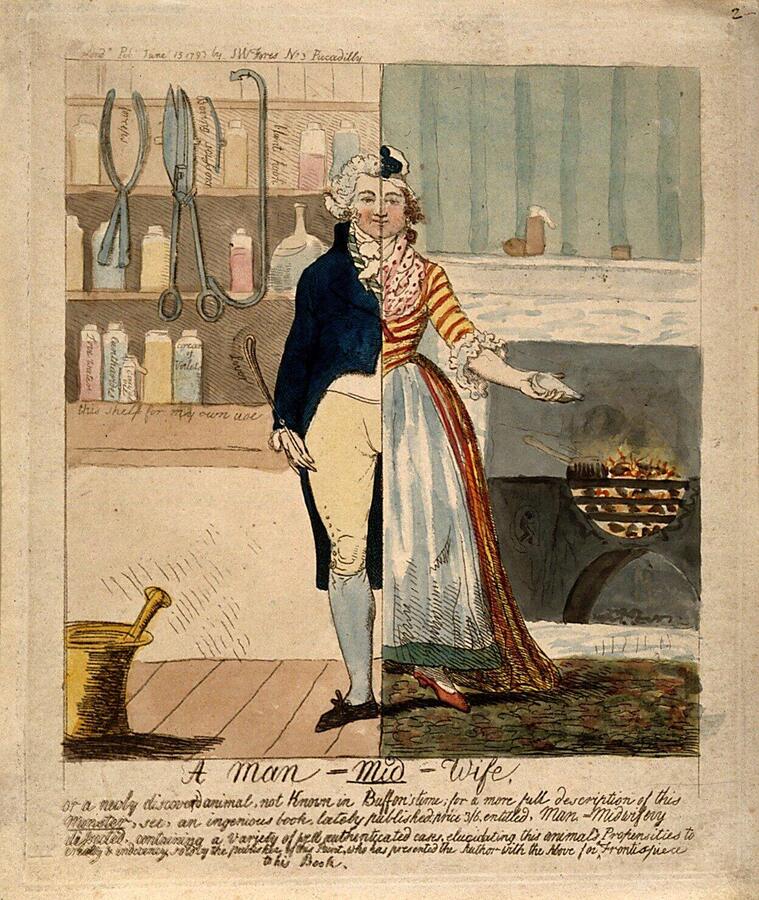
“Pregnancy and childbirth, for example, like epidemic disease have in recent years become an accepted part of the standard historical canon.” Rosenberg, “Framing Disease,” p. xv
A Midwife’s Tale (1990) used a Maine midwife’s diary of more than eight hundred births, 1785–1812.
Women’s healing, missing from doctors’ histories, became evidence.
Rosenberg · 1992 · the field
Rosenberg mapped why historians turned to disease
Ordinary people
Social history: patients, childbirth, epidemics.
Public health
Did medicine or living conditions lengthen lives? Demographers counted.
Ecology
Disease in the conquest of the Americas.
Social control
Diagnoses as labels for deviance; the most influential.
What all of them missed
How a disease gets defined, and what the definition does to lives, policy and care (Rosenberg, pp. xv–xvi).
Rosenberg · 1992 · reframing disease
Rosenberg treated disease as six things at once
A biological event
It happens in bodies, and in animals, whatever anyone calls it.
A vocabulary
A generation’s “verbal constructs,” shaped by medicine’s ideas and institutions.
A reason for policy
An occasion for public policy, and a potential justification of it.
A part of who you are
An aspect of a person’s social role and identity.
A sanction for values
A way a culture backs up what it values.
A relationship
A structuring element in how doctors and patients deal with each other.
Rosenberg, “Framing Disease,” p. xiii
Rosenberg · 1992 · frame
Rosenberg: a disease exists socially once it is named
“In some ways disease does not exist until we have agreed that it does, by perceiving, naming, and responding to it.”
Discuss
Cholera killed before anyone agreed what it was. In what sense did the disease “not exist”?
1993 · empire
Historians showed colonial medicine entering Indian homes
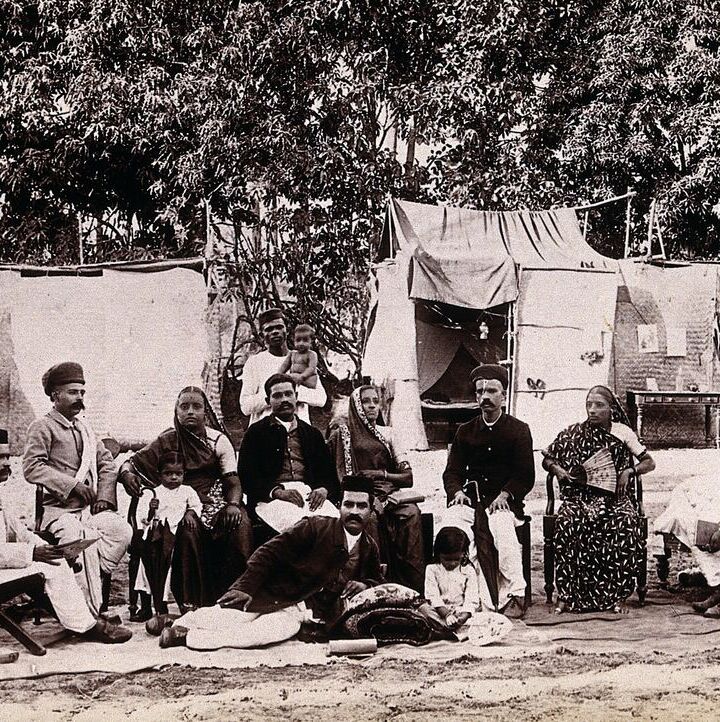
Rosenberg noted “a recent growth of interest in ‘imperial’ medicine” Rosenberg, “Framing Disease,” p. xxv n. 9
Colonizing the Body (1993) showed that against plague in 1896–97, officials searched homes and moved families into camps.
It argues that Indian resistance made officials back down.
Two fields · one course
Both fields moved from triumph to the people, interests and politics behind knowledge
Science
Great men and the birth of the modern world. Then inside and outside causes and Kuhn’s paradigms; then laboratory facts, political order and trust; then women, print that earned credit, objectivity’s history and circulation.
Medicine
Doctors’ histories of great men and germ hunters. Then society, the asylum and cholera; then disease in conquest, doubts about medicine’s credit, patients, race, gender and empire, and disease as a frame.
Compare · the semester
The path of history itself: Ranke’s nations, then history from below, gender and the linguistic turn.
The take home
The history of knowledge shows its makers, and we are among them
“What we select inevitably represents our interests, even if we aim all the while to ‘tell it like it really was.’ That is to say, there is inevitably something of ‘us’ in the stories we tell about the past.”
Science and medicine have histories because people made them, trusted them and named things with them. What we take as settled now will have a history too.
Next · 13.2 · environmental history
Next time, nature itself helps make history
A century from now, what will historians say we got wrong about science or medicine, and how will they know?