Making History • HIST 1105 • Week 5 · Review
Who Makes History Happen?
- Herodotus, Thucydides, Livy, Sima Qian · Week 2
- The Anglo-Saxon Chronicle, Bede, Machiavelli · Week 3
- Kant and Ranke · Week 4
Weeks 2–4 in brief: what history was for, and who or what it said made events happen. Translations: Herodotus (Godley), Thucydides (Crawley; Melos from the assigned selection), Livy (Foster), the Chronicle (Giles), Machiavelli (Marriott), Kant (Beck), Ranke (GHDI), the Manifesto (Moore, 1888).
The take home · three things
Kant hoped history had a plan. Ranke said none could be proved.
What history was for
Moral examples, God’s work, lessons in power, progress, “what actually happened.”
Who did the causing
- A wrongdoer, a proud ruler, or a people’s morals
- Power, and the fear it inspires
- God, announcing a raid with signs in the sky
- Fortune, who “leaves us to direct the other half”
- Nature, with a plan “for creatures who have no plan of their own”
- For Ranke, what participants saw and decided
1848
Marx claims the necessity Ranke denied: production drives history, and the next stage is “equally inevitable.”
The arc · Weeks 2–4
Four answers to what history is for
01 · Week 2
Memory and lessons
Herodotus and Thucydides ask why the war happened; Livy and Sima Qian draw lessons from character.
02 · Week 3
God and the prince
The Chronicle and Bede find God behind events; Machiavelli reads for power.
03 · Week 4
Progress
Kant gives history a direction nobody inside it can see.
04 · Week 4
What actually happened
Ranke sets aside lessons and plans, and keeps to the documents.
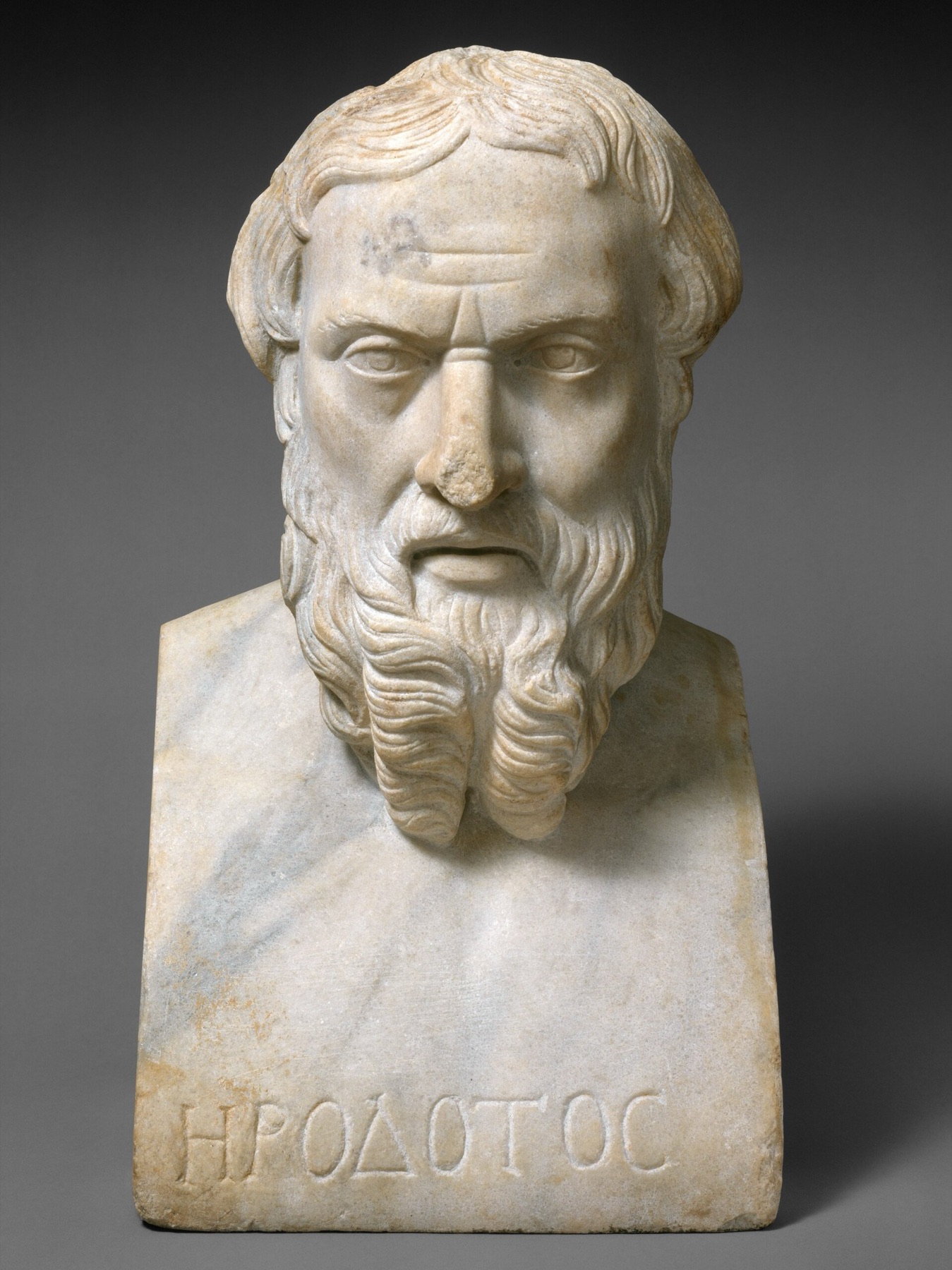
Why he matters: he calls his work an inquiry, and asks why the war happened.
(Roman portrait bust, 2nd century CE. Metropolitan Museum of Art. CC0.)
Herodotus · Histories, Book 1
Herodotus looks for who did wrong first
“…that the memory of the past may not be blotted out from among men by time, and that great and marvellous deeds done by Greeks and foreigners and especially the reason why they warred against each other may not lack renown.” Herodotus 1.1 (Godley trans.)
His answer · 1.5
“…I will name him whom I myself know to have done unprovoked wrong to the Greeks.” The next chapter opens with Croesus.
The reason for a war is a person: the one who did wrong first.
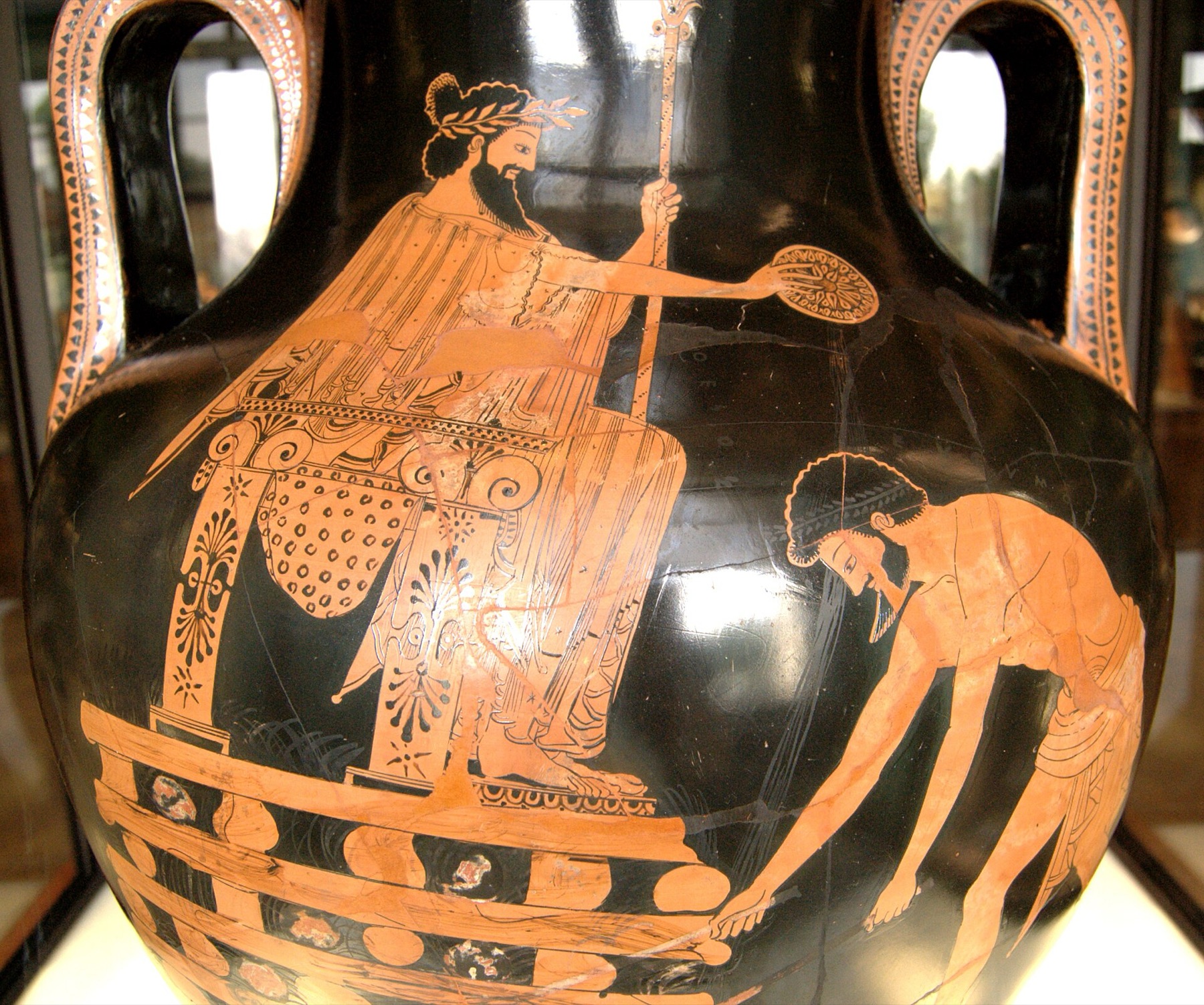
(Louvre G 197, from Vulci. Public domain.)
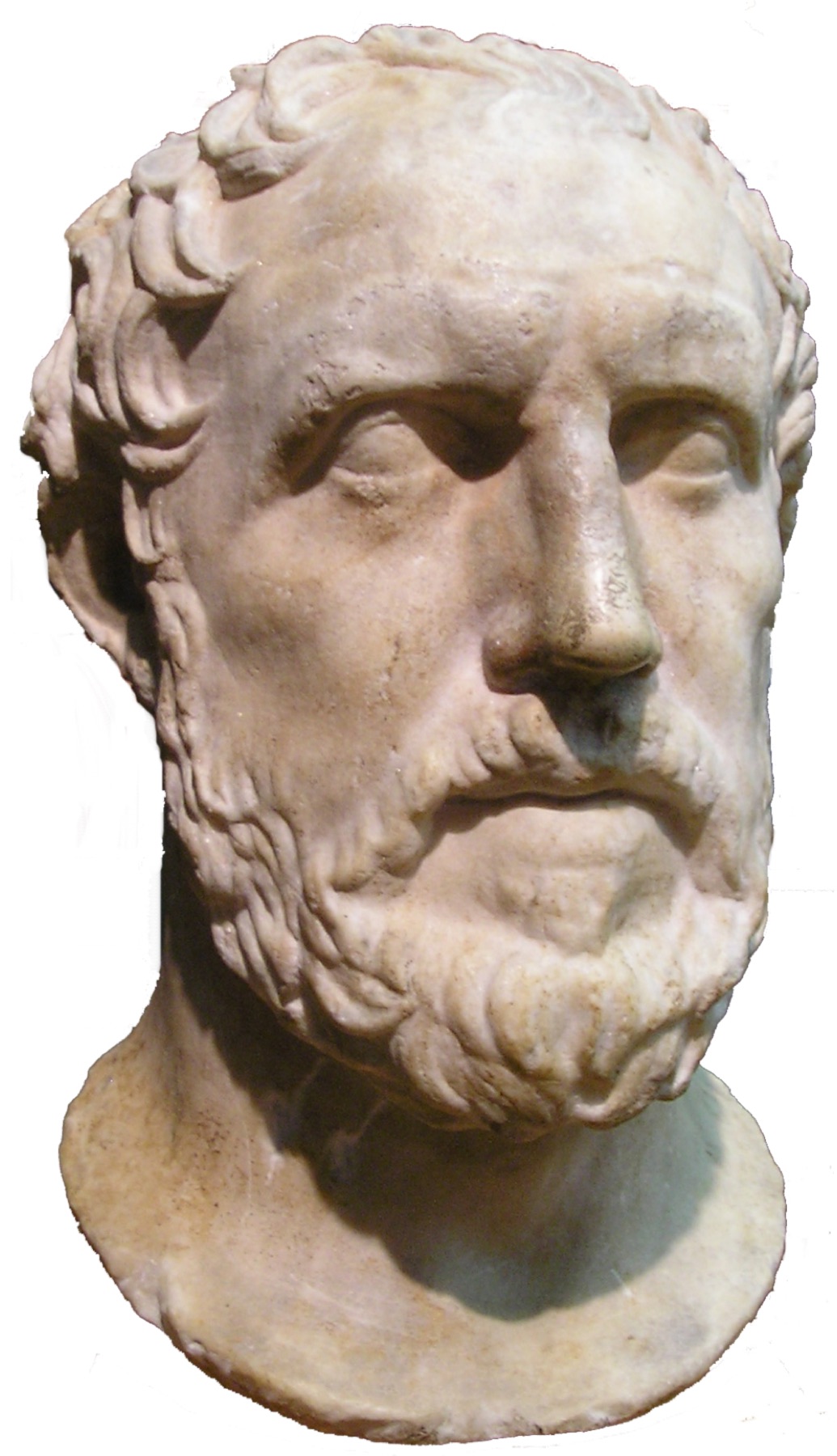
Why he matters: he separates the real cause of a war from the grievances each side announced.
(Roman copy of a Greek original. Royal Ontario Museum. Public domain.)
Thucydides · History of the Peloponnesian War
The real cause is not the stated one
“The real cause I consider to be the one which was formally most kept out of sight. The growth of the power of Athens, and the alarm which this inspired in Lacedaemon, made war inevitable.” Thucydides 1.23 (Crawley trans.)
Power · the Melian Dialogue, 5.89
The Athenians to Melos: “the question of justice arises only between parties equal in strength, and that the strong do what they can, and the weak submit.”
Power and fear make the war. Because “human things” repeat, the history is “a possession for all time” (1.22).
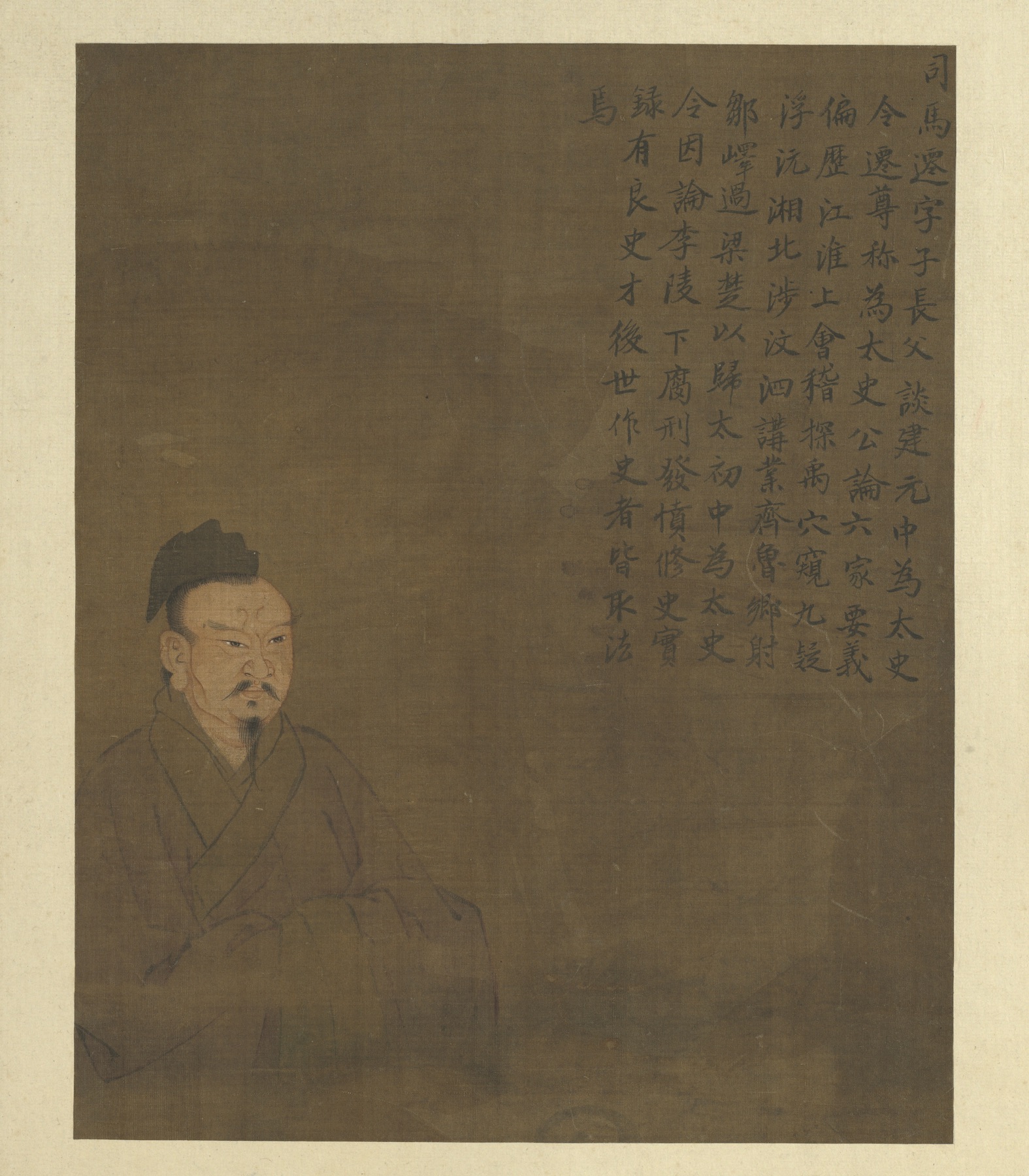
Why he matters: he closes most chapters with a signed verdict on the people in them.
(Half-Length Portraits of Sages Through the Ages. National Palace Museum, Taipei. CC BY 4.0.)
Livy and Sima Qian · 1st century BCE
History is a stock of examples to imitate or avoid
“…you behold the lessons of every kind of experience set forth as on a conspicuous monument; from these you may choose for yourself and for your own state what to imitate, from these mark for avoidance what is shameful in the conception and shameful in the result.” Livy, Ab Urbe Condita, Preface (Foster trans.)
Sima Qian on Xiang Yu · Shiji 7
Xiang Yu “relied on his own intelligence without learning from the past,” then said Heaven had destroyed him: “was this not a great fallacy!”
The explanation is character, of a ruler or of a whole people.
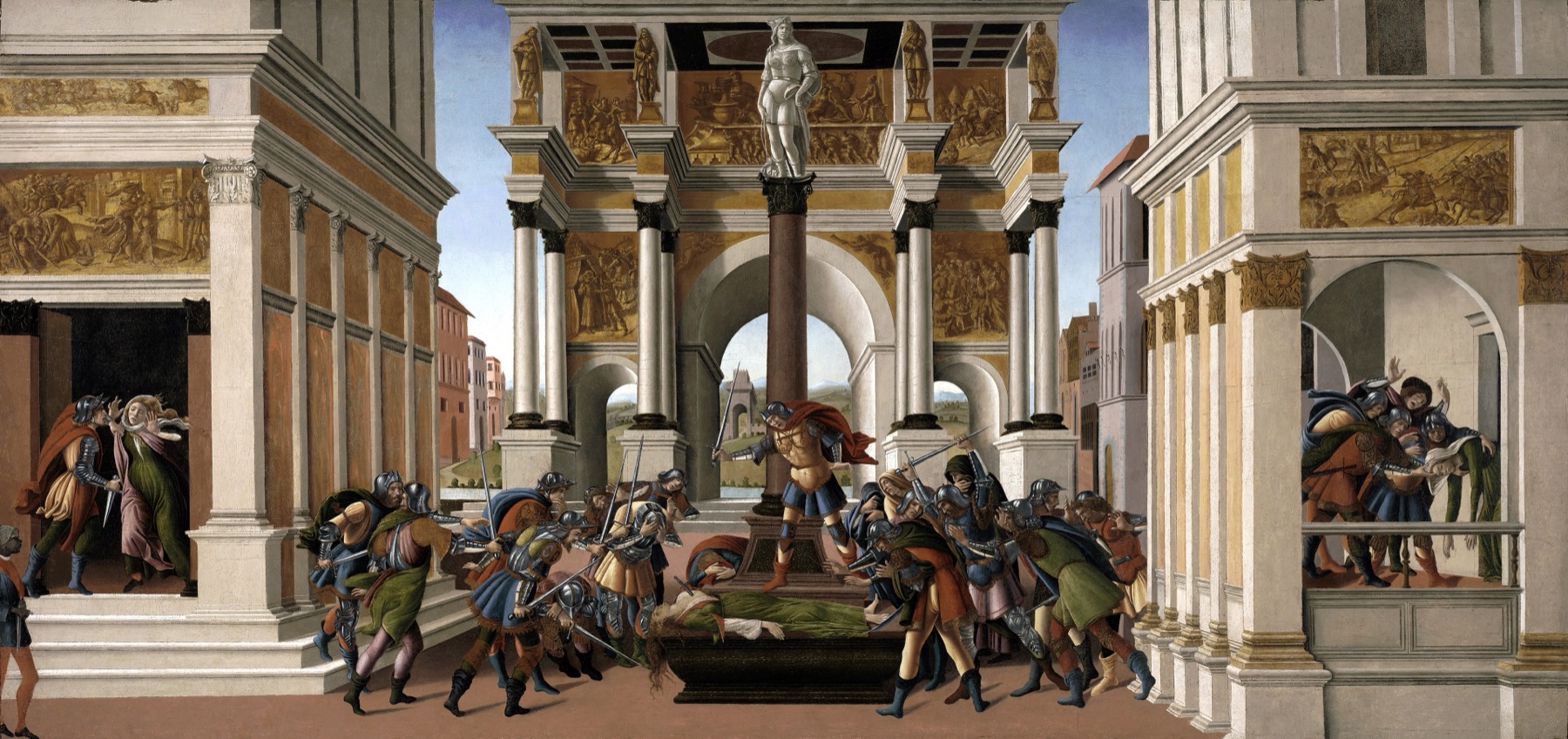
(Isabella Stewart Gardner Museum, Boston. Public domain.)
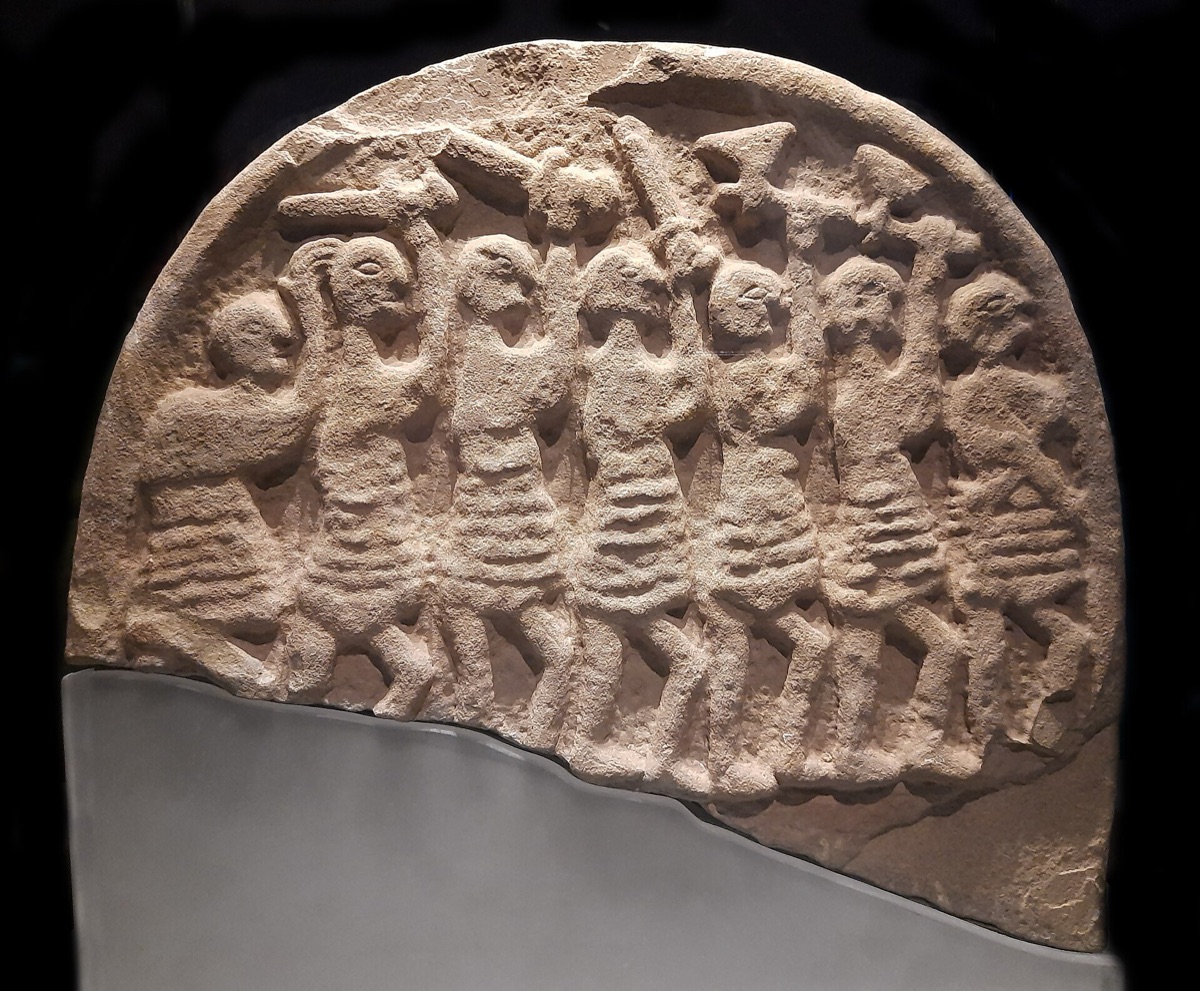
(Lindisfarne Priory, English Heritage, inv. 81077057. Photo Schillerwein, CC0.)
The Anglo-Saxon Chronicle · annal for 793
The warning comes before the raid
“This year dire forwarnings came over the land of the North-humbrians, and miserably terrified the people; these were excessive whirlwinds, and lightnings; and fiery dragons were seen flying in the air. A great famine soon followed these tokens; and a little after that… the ravaging of heathen men lamentably destroyed God’s church at Lindisfarne through rapine and slaughter.” Anglo-Saxon Chronicle, 793 (Giles trans.)
Bede · 731
Bede keeps the moral purpose, examples to imitate, and puts God behind the events: a martyr’s miracles count as evidence (Preface; I.7).
The Chronicle does not argue causes. It lines up the signs, the famine and the raid, and leaves their meaning to God.
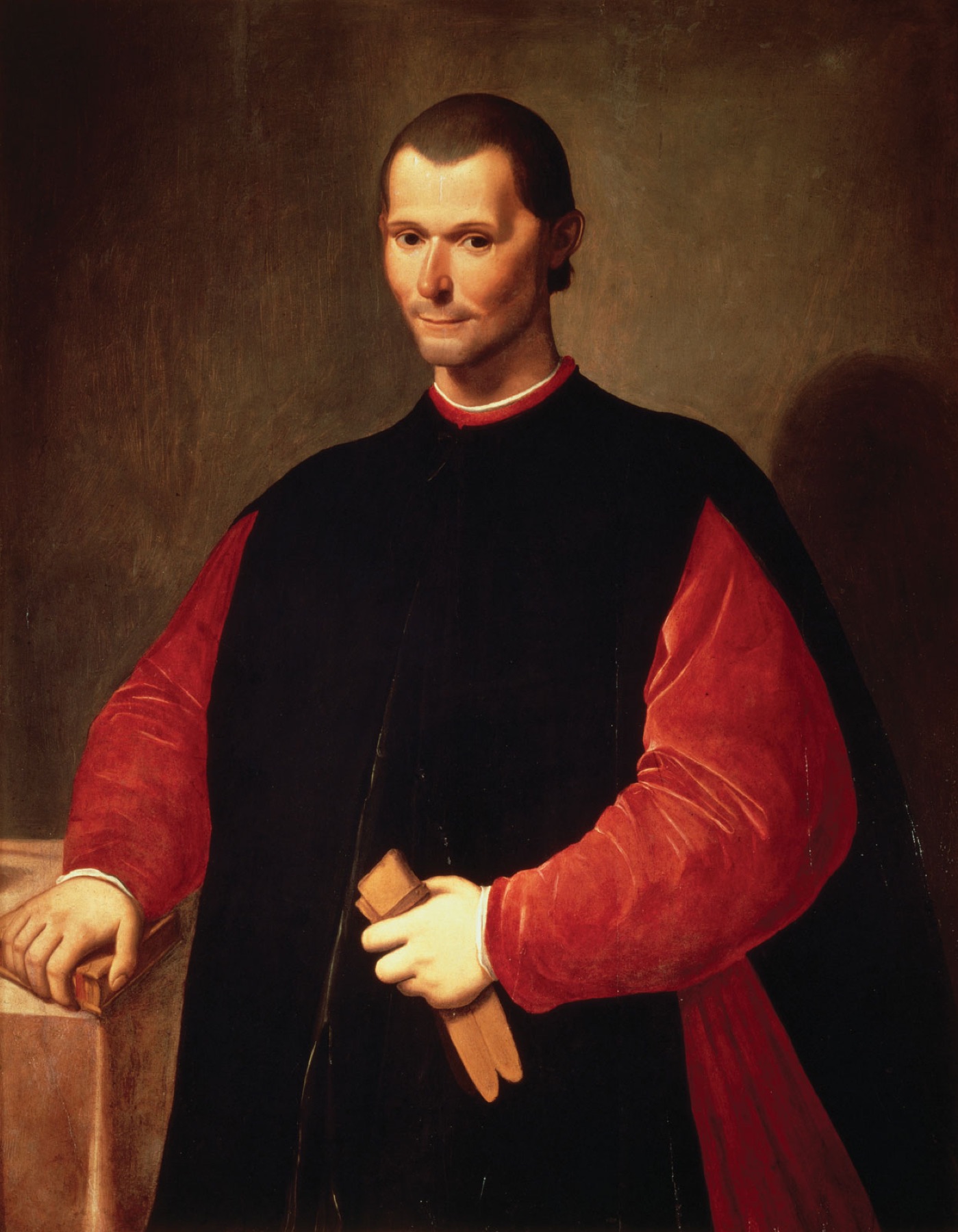
Why he matters: he reads history as a set of cases for whoever holds power.
(Santi di Tito, later 16th century. Palazzo Vecchio, Florence. Public domain.)
Machiavelli · The Prince, written 1513
History teaches whoever holds power
“A wise man ought always to follow the paths beaten by great men, and to imitate those who have been supreme, so that if his ability does not equal theirs, at least it will savour of it.” Machiavelli, The Prince, ch. 6 (Marriott trans.)
Fortune · ch. 25
“…Fortune is the arbiter of one-half of our actions, but that she still leaves us to direct the other half, or perhaps a little less.”
Fortune decides half. The prince decides the rest, and is judged by whether it worked.
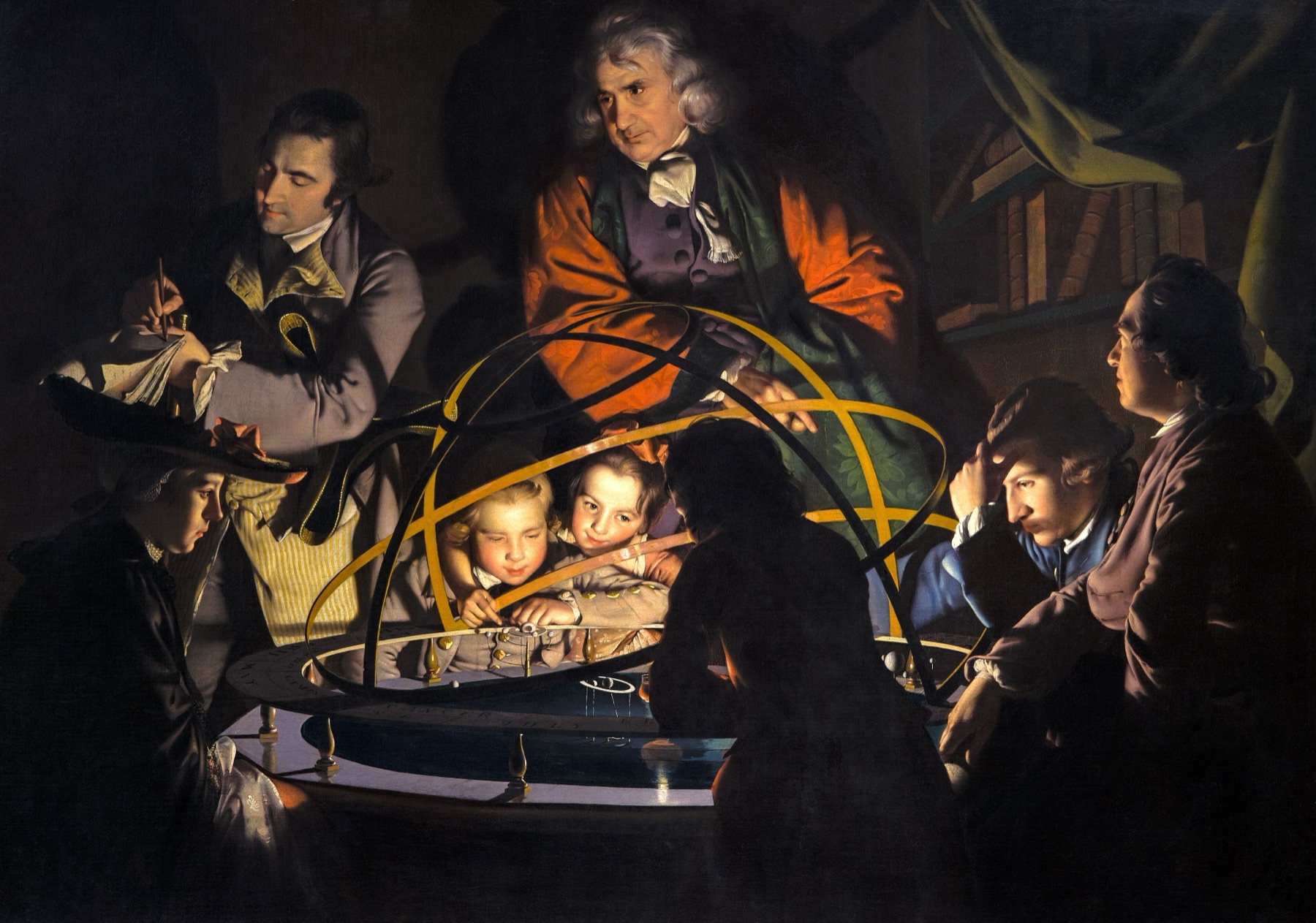
(Joseph Wright of Derby, A Philosopher Giving That Lecture on the Orrery, in which a Lamp is put in place of the Sun. Derby Museum and Art Gallery. Public domain.)
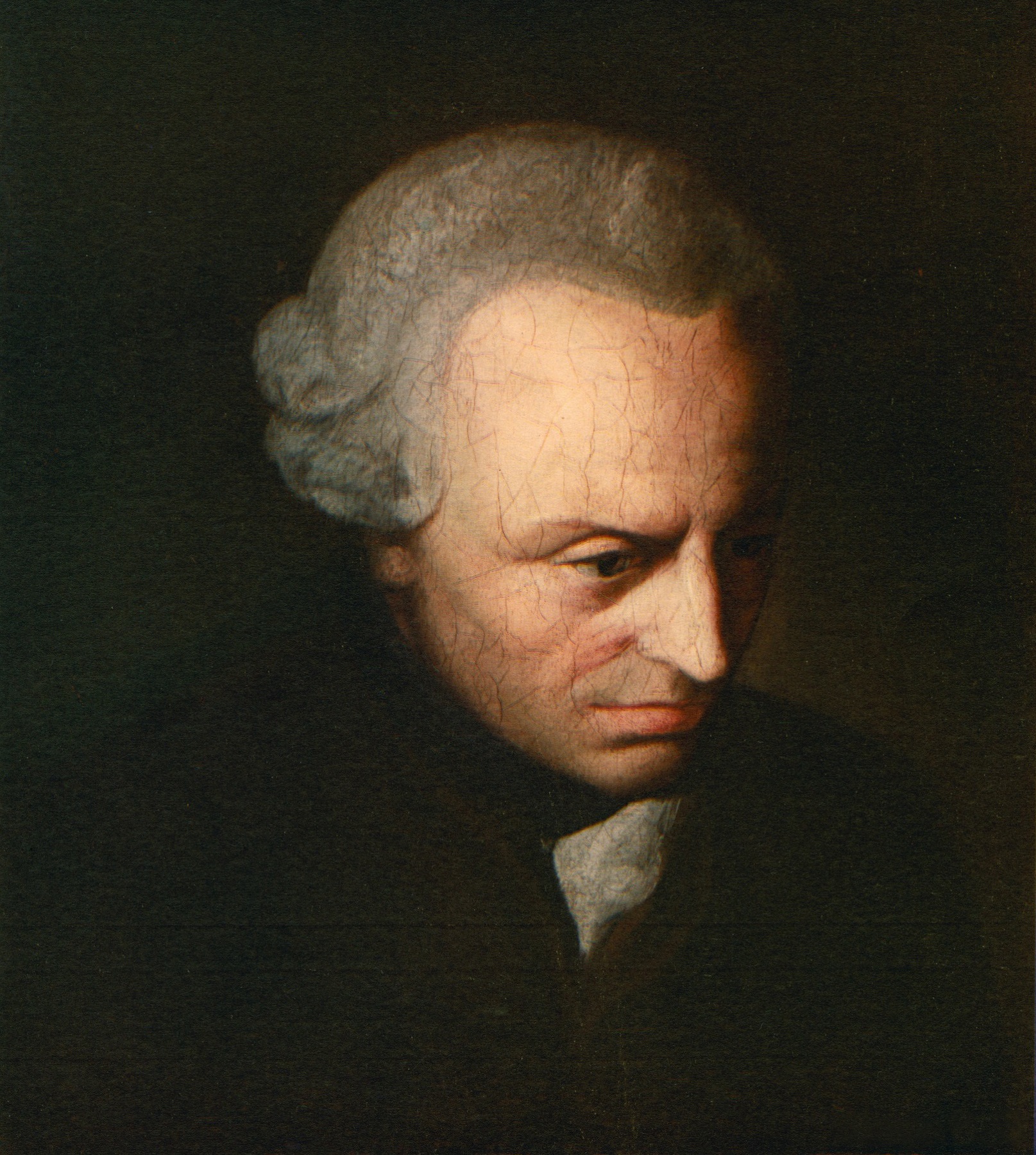
Why he matters: a philosopher, not a historian, asks whether history as a whole has a plan.
(Unknown artist, c. 1790. Public domain.)
Kant · “Idea for a Universal History,” 1784
Kant gives history a plan that no one in it knows
“Each, according to his own inclination, follows his own purpose, often in opposition to others; yet each individual and people, as if following some guiding thread, go toward a natural but to each of them unknown goal.” Kant, Introduction (Beck trans.)
A Kepler for history
“…we leave it to Nature to produce the man capable of composing it. Thus Nature produced Kepler… and she produced Newton, who explained these laws by a universal natural cause.” (Introduction)
A plan “for creatures who have no plan of their own.” Kant leaves the law itself for someone else to find.
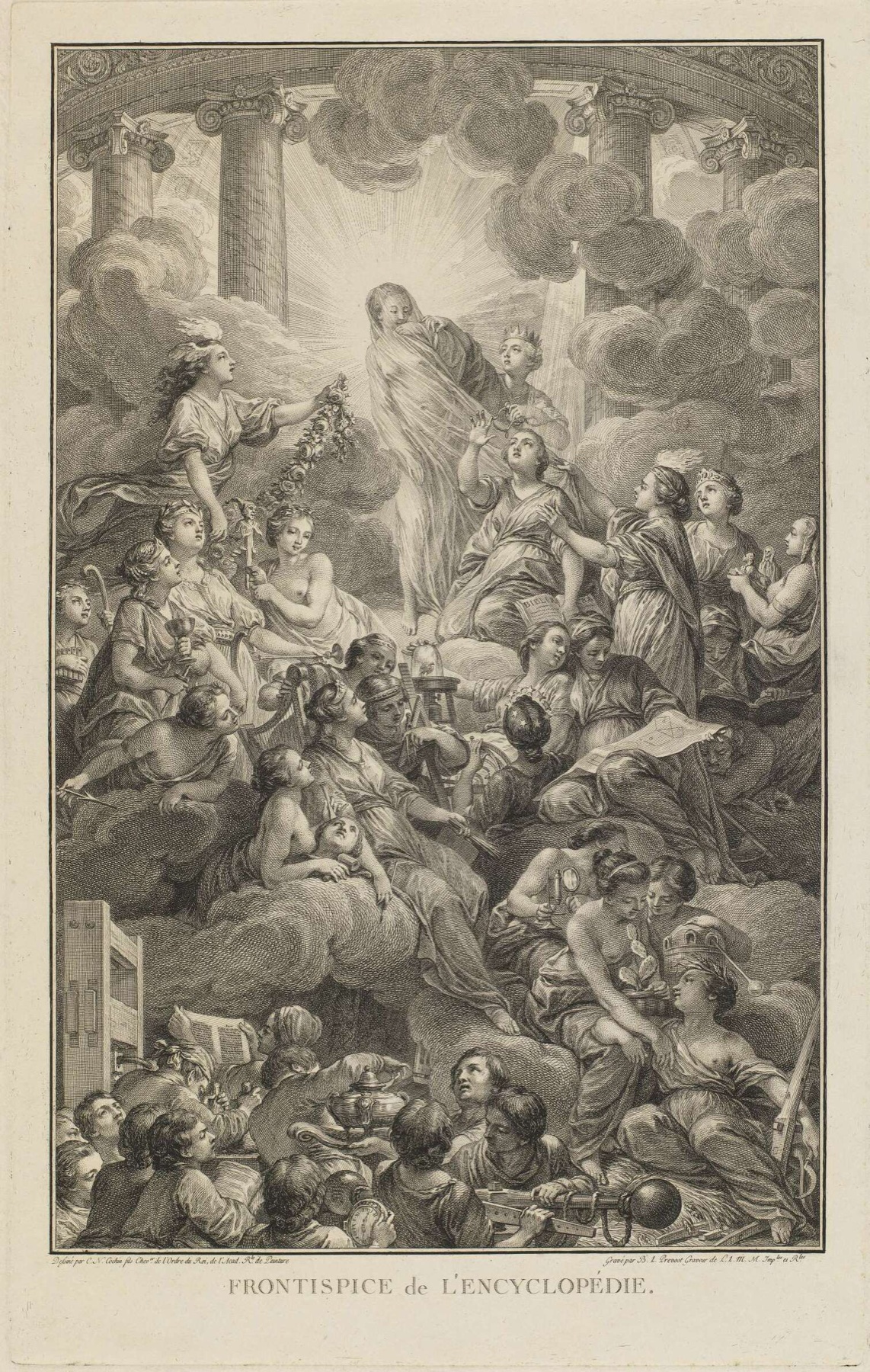
(Charles-Nicolas Cochin, design, 1764; Benoît-Louis Prévost, engraving, 1772. Public domain.)
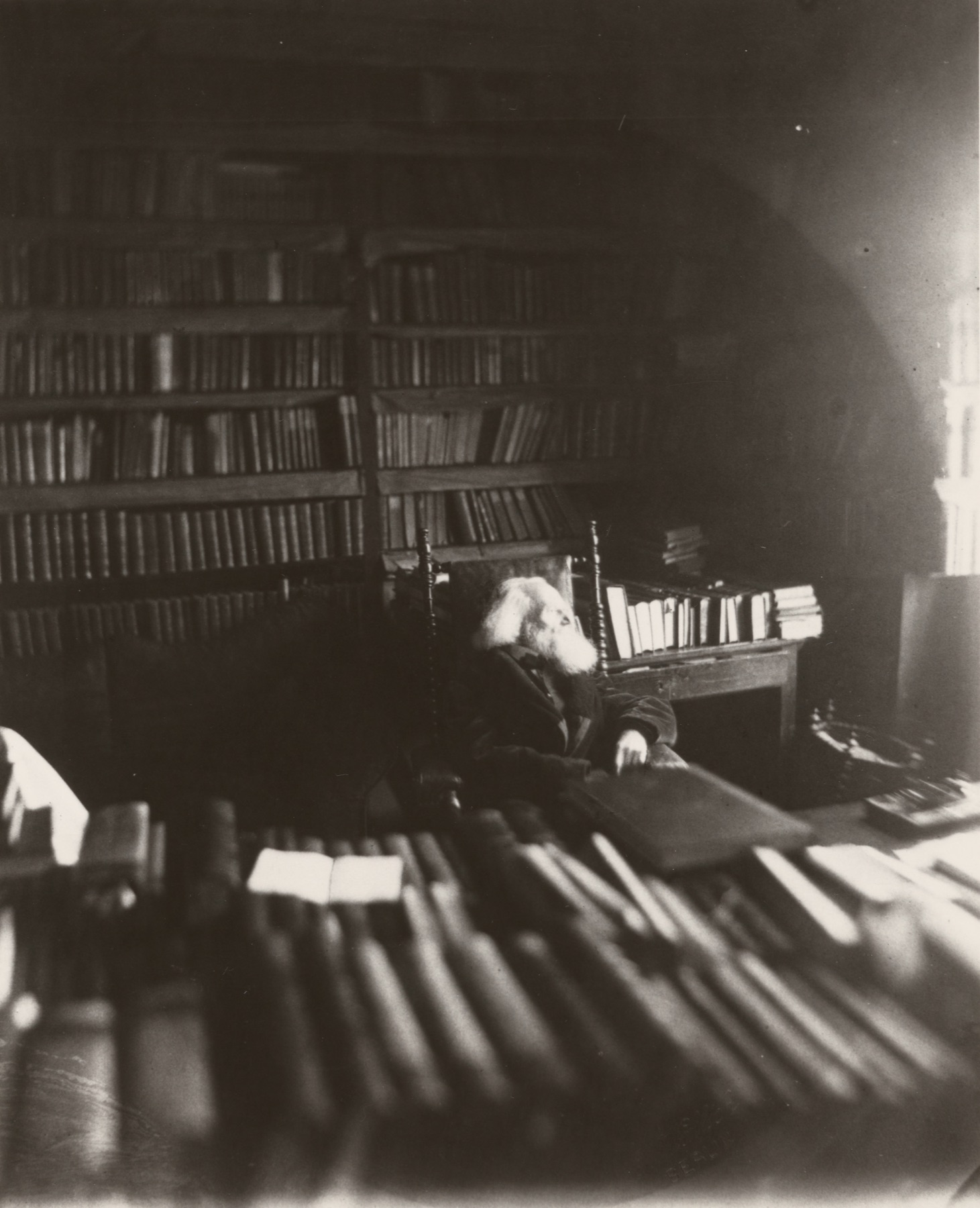
Why he matters: he makes the original document the test of history, and gives up judging the past.
(Leopold von Ranke Papers, Syracuse University. Public domain.)
Ranke · 1824 introduction
Ranke gives up judging the past
“History has had assigned to it the office of judging the past and of instructing the present for the benefit of the future ages. To such high offices the present work does not presume: it seeks only to show what actually happened [wie es eigentlich gewesen].” Ranke, 1824 introduction (GHDI trans.)
The sources · 1824
“…memoirs, diaries, letters, ambassadors’ reports, and original accounts of eyewitnesses.” The papers of people who were there, including envoys reporting on rulers.
No plan can be proved · 1854
“…either a general directing will guides the development of the human race… or humanity contains an onward-marching progression of the spirit which necessarily drives it toward a defined goal. I should prefer to characterize both these ways as neither philosophically tenable nor historically provable.”
Livy’s lessons and Kant’s plan are both set aside. What is left is what participants saw and decided.
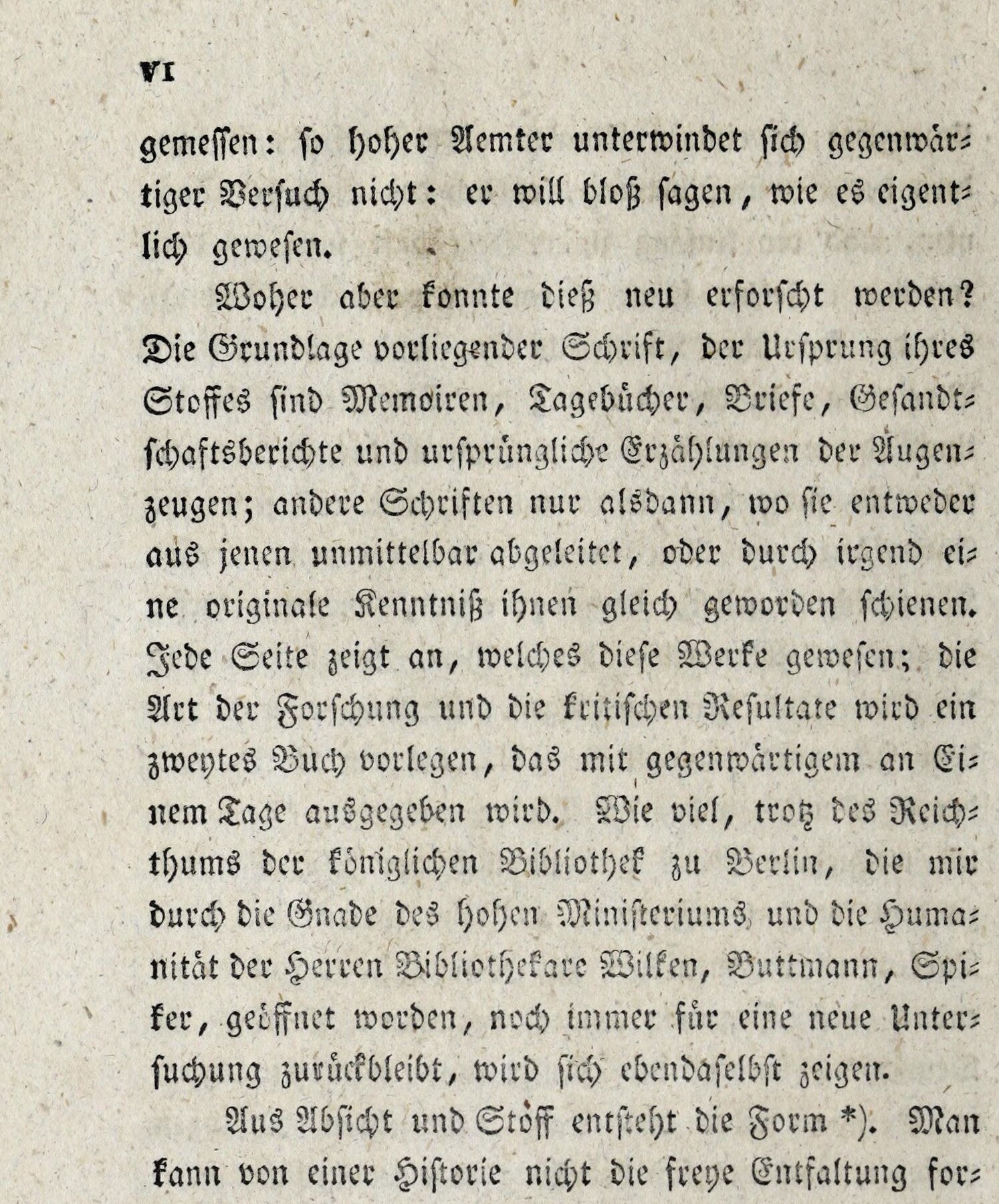
(Cropped from the Internet Archive scan, geschichtenderro00rank. Public domain.)
Recap · Weeks 2–4
Kant hoped history had a plan. Ranke said none could be proved.
01 · Herodotus to Sima Qian
Memory and lessons
The first wrongdoer, power and fear, or character, of a ruler or a whole people.
02 · Chronicle, Bede, Machiavelli
God and the prince
God sends the signs; Fortune takes half, and the prince directs the rest.
03 · Kant
Progress
A plan “for creatures who have no plan of their own,” still waiting for its Kepler.
04 · Ranke
What actually happened
No plan can be proved. What participants saw and decided, from their own papers.
Discussion · Humboldt and Ranke
Discussion break
Use this time to bring up the Humboldt and Ranke readings.
Holler out · the whole room
Define objectivity
Turn to a partner and discuss
How do Humboldt and Ranke define objectivity?
- And so… what does objectivity mean for the historian?
- With your partner, pull an example from either reading that encompasses the role of objectivity in history.
History applied · in your pair or small group
Think back to the last time you could not escape history
High school? A college-level history survey class?
- Give an example of where you see objectivity play out in your example. What does it look and sound like?
- How does objectivity (or the assumption of it) affect your understanding of history in your example?
History applied · continued
What might the “objectivity” of a story emphasize or leave out?
- Is something left out of your example?
- …So what?
This week · Marx, 1848 · Braudel, 1958
What if one cause does run under all of history?
“The history of all hitherto existing society is the history of class struggles.” Marx and Engels, Manifesto, Part I (Moore trans., 1888)
“Just as Darwin discovered the law of development of organic nature, so Marx discovered the law of development of human history: the simple fact… that mankind must first of all eat, drink, have shelter and clothing, before it can pursue politics, science, art, religion, etc.” Engels, at Marx’s grave, 17 March 1883 · compare Kant’s Kepler and Newton
- Thucydides found the real cause of one war (1.23). Can one cause explain all of history?
- Ranke’s objectivity rests on what participants saw and wrote down. What happens to it if the real cause is something none of them saw?
- Braudel (5.2) looks for causes slower than any life. What does a historian lose by looking there?