Making History • HIST 1105 • Week 7 · Review
What Makes History Happen?
- Carr, What Is History? · Week 1
- Herodotus to Ranke · Weeks 2–4 (full review: Week 5)
- Marx, Braudel · Week 5
- Thompson, Scott · Week 6
- Ginzburg · Week 7.1
Six weeks of answers to one running question, and what actually changed — and didn’t — in what history is, how it gets made, and what it’s for.
Carr cited by the Penguin What Is History? page. Marx and Engels from the Manifesto (Moore trans., 1888). Braudel from “The Longue Durée” (1958) and the essays collected in On History. Thompson cited by the page of The Making of the English Working Class (1963). Scott cited by the page of the 1986 AHR printing.
Today in context
What makes history happen?
Week 1 · Carr, 1961
Nothing, by itself. A historian decides which facts get to speak.
Weeks 2–4 · Herodotus to Ranke
A wrongdoer, a god, Fortune, a plan no one inside it can see — and then, no plan at all.
Week 5 · Marx and Braudel
Structures. Class conflict over production; sea, soil and climate underneath everything.
Week 6 · Thompson and Scott
People, making themselves; and gender, the system that makes the arrangement look natural.
Week 7.1 · Ginzburg, 1976
One miller’s cosmos, and what a single case can carry.
Week 9 · Hobsbawm, Anderson
Nations, invented and then believed in.
Week 1 · Carr, What Is History? (1961)
Facts don’t speak for themselves
“It used to be said that facts speak for themselves. This is, of course, untrue. The facts speak only when the historian calls on them: it is he who decides to which facts to give the floor, and in what order or context.” Carr, p. 11
Why the record already leans
“Our picture has been preselected and predetermined for us… by people who… thought the facts which supported that view worth preserving.” Carr, p. 13
Study the historian before you study the facts (p. 23) — the question for every week since.
That day’s question: Carr wrote in 1961. Does his argument still hold?
Weeks 2–4 · recap
Kant hoped history had a plan. Ranke said none could be proved.
01 · Week 2
Memory and lessons
Herodotus and Thucydides ask why the war happened; Livy and Sima Qian draw lessons from character.
02 · Week 3
God and the prince
The Chronicle and Bede find God behind events; Machiavelli reads for power.
03 · Week 4
Progress
Kant gives history a direction nobody inside it can see.
04 · Week 4
What actually happened
Ranke sets aside lessons and plans, and keeps to the documents.
Full treatment: Slides of Who Makes History Happen? (Week 5). That week’s synthesis question: which of these eight would recognize each other as doing the same job?
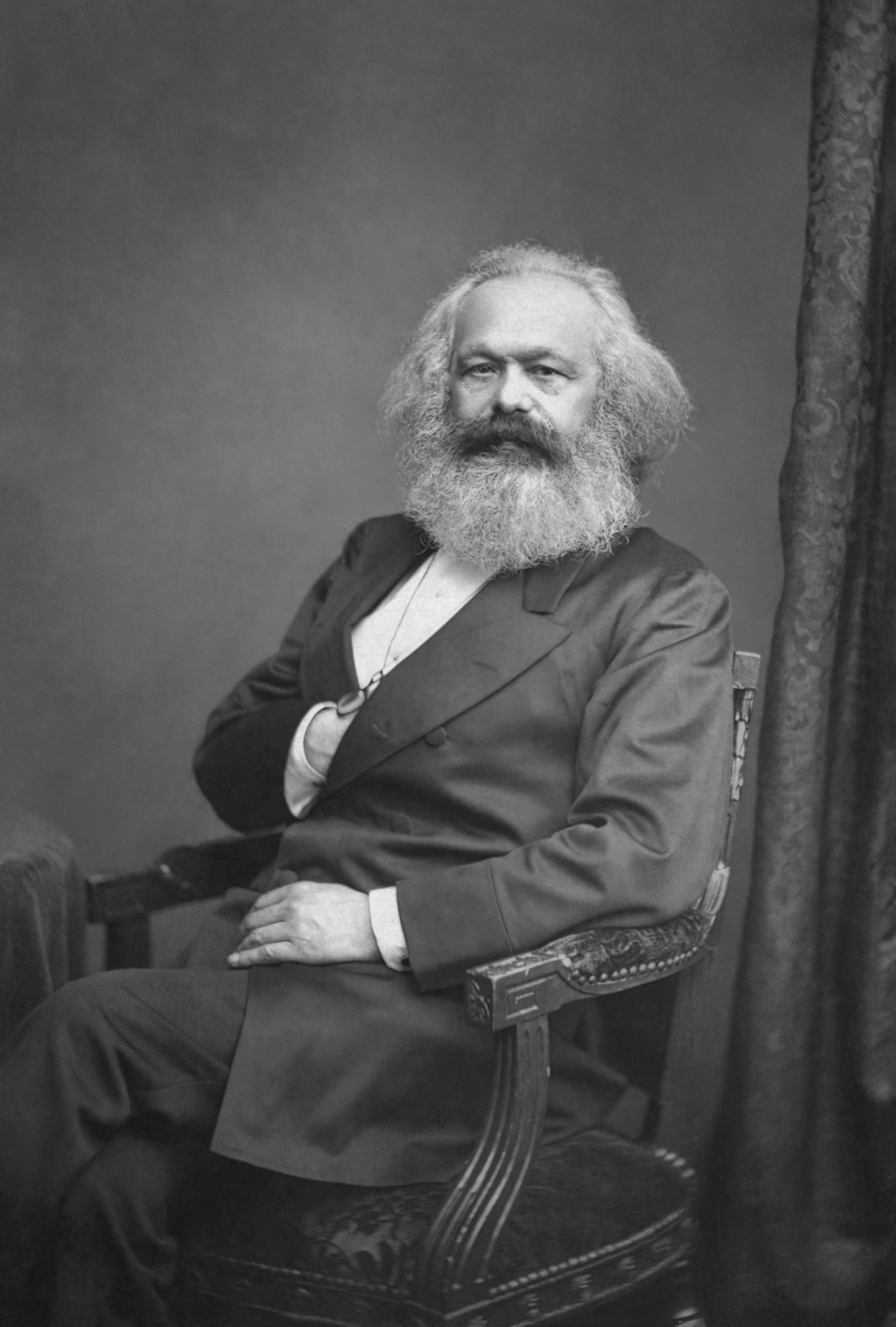
Week 5.1 · Marx and Engels, The Communist Manifesto (1848)
History runs on how people produce what they need
“The history of all hitherto existing society is the history of class struggles.” Marx and Engels, Manifesto, Part I
The prediction
Capitalism creates “…its own grave-diggers. Its fall and the victory of the proletariat are equally inevitable.” Manifesto, Part I
How people make a living drives history. People still have to act.
That day’s question: Is class struggle a good explanation for everything? What does it miss?
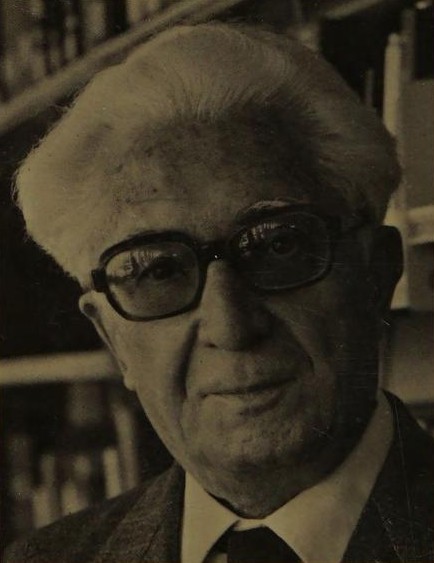
Week 5.2 · Braudel, “The Longue Durée” (1958)
A structure is what a society cannot get past
“Some structures, because of their long life, become stable elements for an infinite number of generations: they get in the way of history, hinder its flow, and in hindering it shape it.” Braudel, p. 31
Where he and Marx part
Both explain by structures; Marx names one motor, Braudel refuses to name any. “Marx explains why an order ends. Braudel explains why one lasts.”
A structure is defined by what it forbids.
That day’s question: do you lose too much when zooming out to centuries-long patterns?
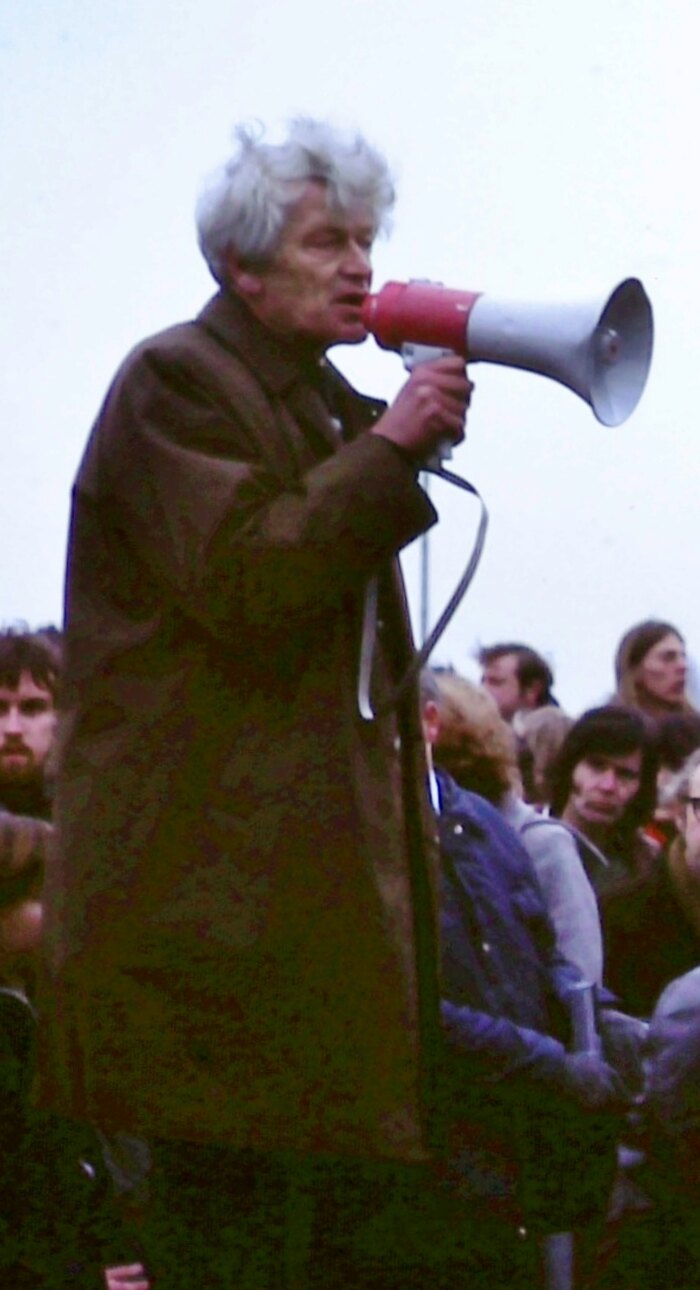
Week 6.1 · Thompson, The Making of the English Working Class (1963)
Class is something people do, not a structure you can find
“I do not see class as a ‘structure’, nor even as a ‘category’, but as something which in fact happens (and can be shown to have happened) in human relationships.” Thompson, p. 9
Who he wants back
“…the poor stockinger, the Luddite cropper, the ‘obsolete’ hand-loom weaver, the ‘utopian’ artisan, and even the deluded follower of Joanna Southcott, from the enormous condescension of posterity.” Thompson, p. 12
Every rule about what counts as evidence is also a decision about whose past can be known.
That day’s question: who is missing from the histories you learned in school? What kinds of sources might recover them?
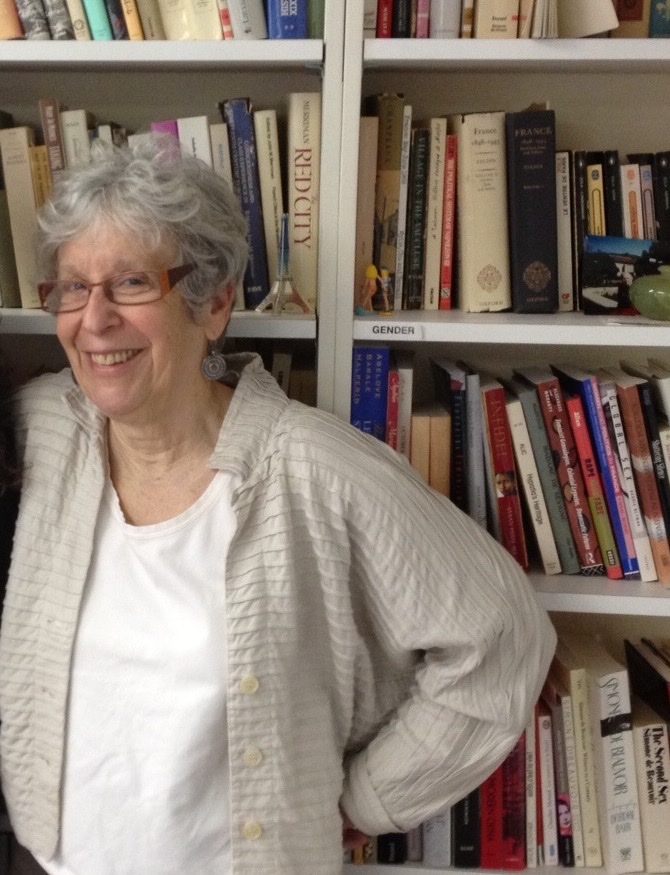
Week 6.2 · Scott, “Gender: A Useful Category” (1986)
A room with no women in it is the gendered one
“Gender is a primary way of signifying relationships of power.” Scott, p. 1067
The example
“High politics itself is a gendered concept, for it establishes its crucial importance and public power … precisely in its exclusion of women from its work.” Scott, p. 1073
Adding women to a syllabus and treating gender as power are two different projects — this class read the second one.
That day’s question: what does it mean that gender is performed?
Six weeks · three questions
What changed, and what didn’t
What history is
Selection, always
Carr’s facts never spoke alone; Ranke’s documents needed a chooser too. What changed is who counts as worth choosing.
How to do it
Evidence widened, method didn’t relax
Al-Biruni named his sources; Ranke made the archive the test; Thompson and Vansina made memory and oral tradition count as evidence too.
What it’s for
From lesson to explanation to rescue
Livy taught virtue, Kant found a plan, Marx found a motor. Thompson and Scott went looking for who each method leaves out.
Discussion · 1 of 4
Progress, or fashion?
Ranke corrects Voltaire’s speculation; Marx corrects Ranke’s elitism; Thompson corrects Marx’s abstraction; Ginzburg corrects Thompson’s anonymity. Is that sequence getting closer to the truth, or just accumulating competing frameworks?
Each turn fixes a specific complaint against the one before it — real progress on a narrow question. Nothing in the sequence settles the big one.
Discussion · 2 of 4
What is history for?
Livy wants moral examples. Voltaire wants civilizational lessons. Ranke wants truth. Marx wants revolution. Thompson wants to rescue the forgotten. Which purpose do you find most defensible, and why?
These aren’t compatible goals — they would produce different histories even from the same sources.
Discussion · 3 of 4
Is the fact/interpretation problem solved?
Ranke says show it “as it actually was.” Vansina and Thompson say the real problem is the archive was built to exclude people, not that interpretation is unavoidable. Does anyone escape Carr’s tension — or just relocate it?
Every fix we’ve read moves the choosing somewhere else — onto the document, the structure, or the archive. None removes it.
Discussion · 4 of 4
What does zooming cost?
Braudel zooms to centuries; Ginzburg zooms to one miller’s trial. What do you lose zooming in, and what do you lose zooming out? Is there a scale that’s “right” for historical argument?
Zoom out and you can explain everything and decide nothing. Zoom in and you can decide everything and explain almost nothing.
The course so far · looking back
Six weeks, four turns
01 · Weeks 1–4
Carr to Ranke
No fact, no plan, and no document stands without someone choosing it.
02 · Week 5
Marx and Braudel
Structures explain the order; people still have to break it, or just outlast it.
03 · Week 6
Thompson and Scott
Class happens; gender signifies. Both make the excluded visible.
04 · Week 7.1
Ginzburg
One trial, one cosmos — the smallest case still argues about everyone.
The take home · six weeks
The record was never neutral, and the disagreement moved, not disappeared
What stayed constant
Every writer we’ve read decides which facts get to speak, and every one of them believes the decision is justified.
What actually changed
Who got to be a fact: kings and wars, then structures, then class as lived experience, then gender, then a single trial.
Six weeks moved the argument from what happened to who gets to count as having happened at all.
Next · Week 9
After the break: history made on purpose
Nations feel ancient. Hobsbawm and Anderson argue they were invented, on purpose, quite recently. Compare Kant’s plan nobody could see — the two constructions could not be more different.