Making History • HIST 1105 • Week 8.1
Pick the Better One
- Seven pictures. None of them is from the reading, and you answer each one out loud.
- Bring Carr, Ranke, Marx, Thompson, Scott and Ginzburg to things they never saw.
- Part one · has historical writing got better?
- Part two · what was any of it for?
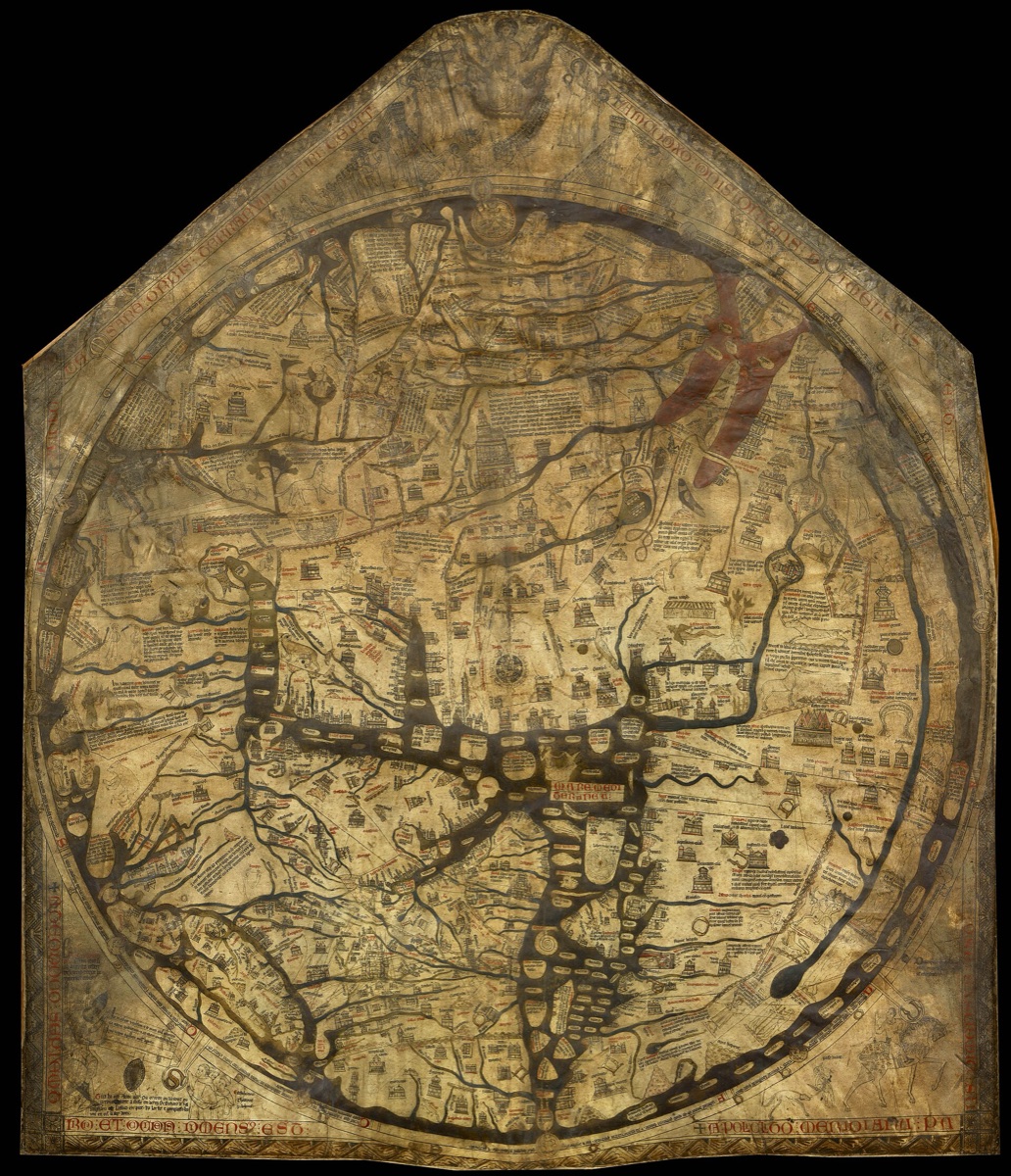
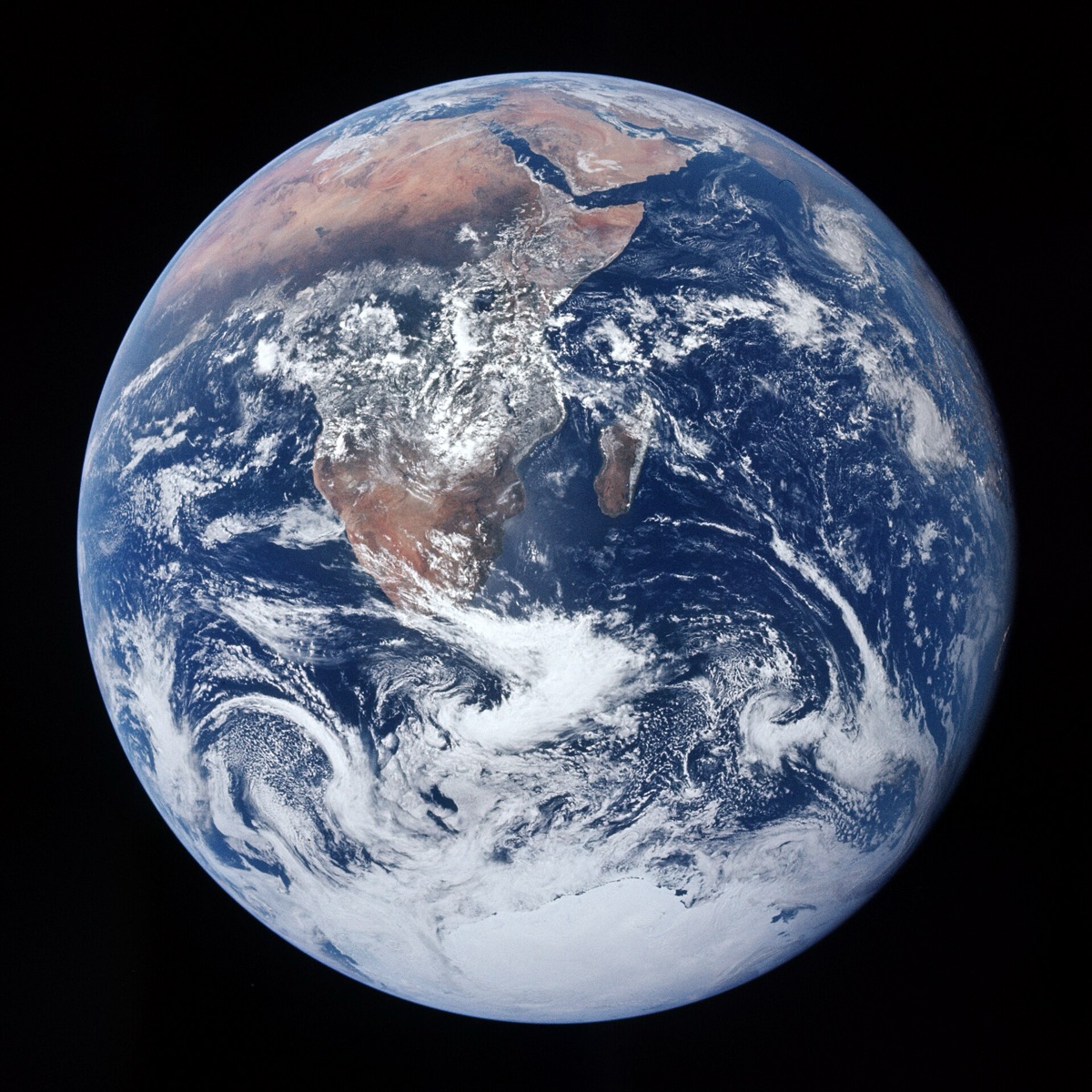
Both are pictures of the whole world. One is centred on Jerusalem on purpose. The other is conventionally printed the other way up from how it was taken. Which one is edited?
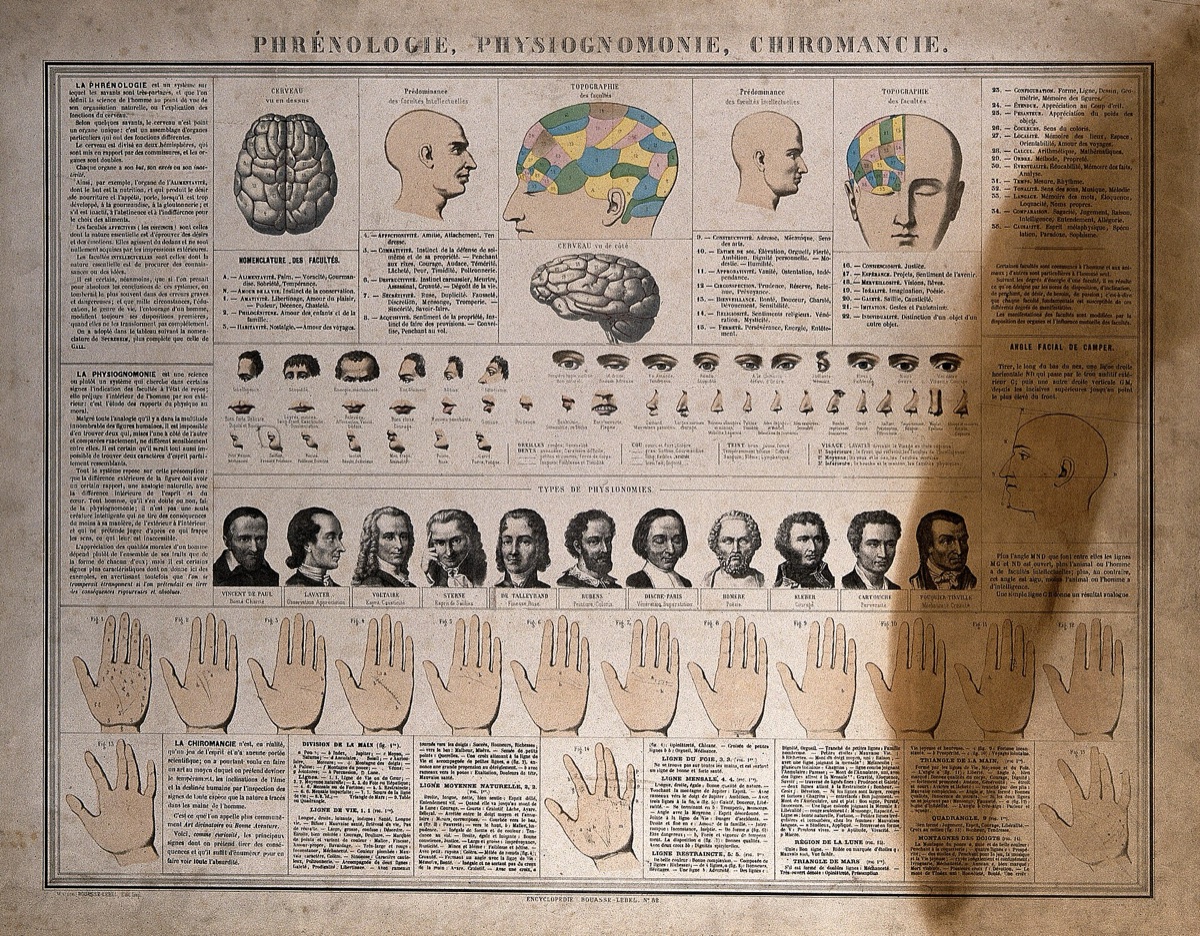

Both of these claim to show where in the head a person's character lives. One of them also reads palms. In a hundred and fifty years, which half of this slide will the other one look like?
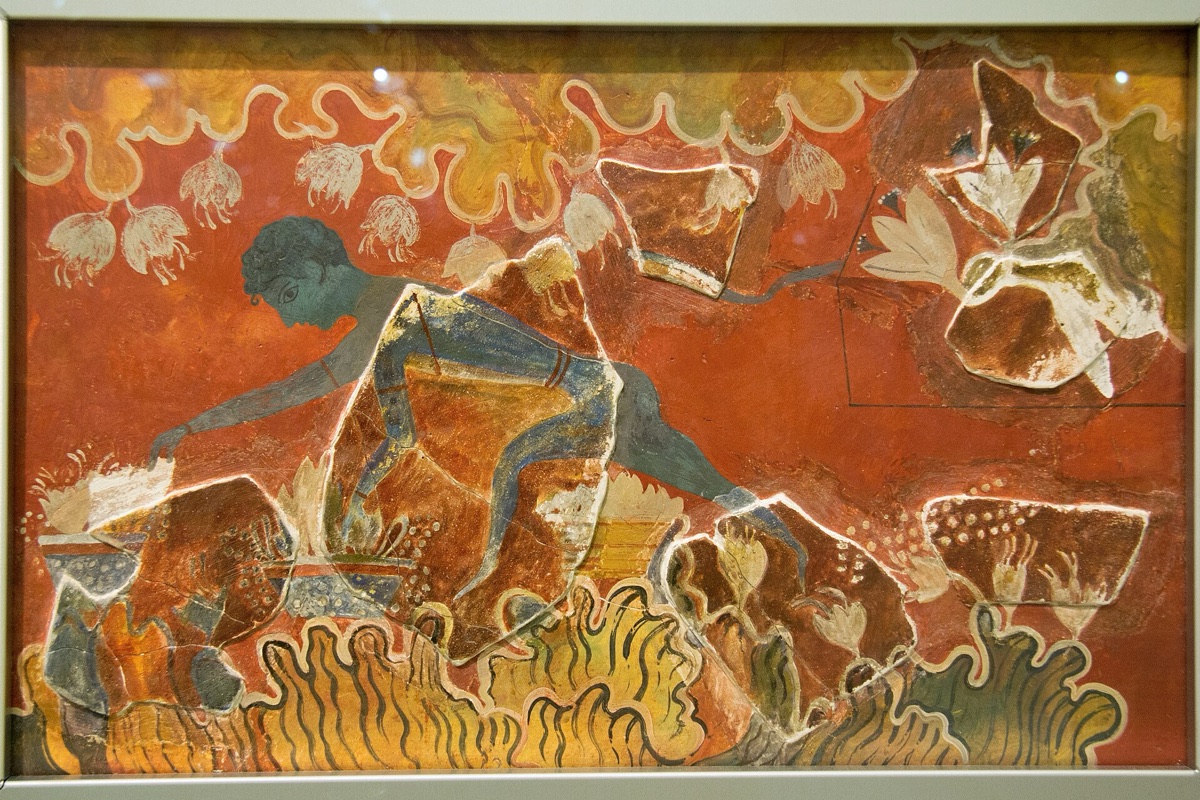
The solid paint is what survived. The flat areas between are what Arthur Evans's restorer added. He made this figure a boy — but the fragments have a tail, and it was a monkey. Which part of this is evidence?
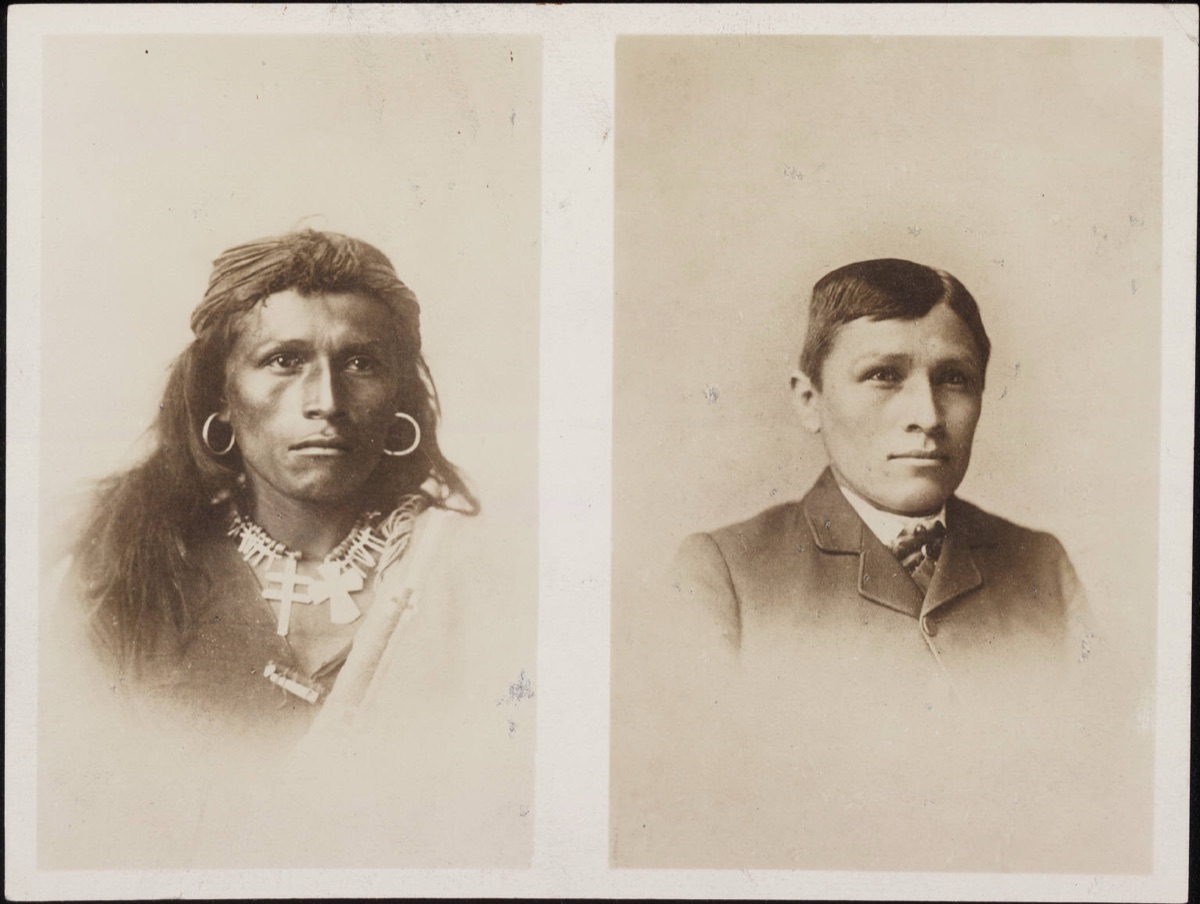
Tom Torlino, Diné, photographed at the Carlisle Indian Industrial School about three years apart. The school made the pair, and printed it this way round, to show what it had achieved. What is it evidence of, and for whom?
Part one · discussion
Progress or accumulation
Is there any “progress” in historical writing? Are we now closer to the truth, or just accumulating competing frameworks?
Carlisle and Knossos were made by people who thought they were the rigorous ones. Which should slow us down about which half of the phrenology slide we are standing on.
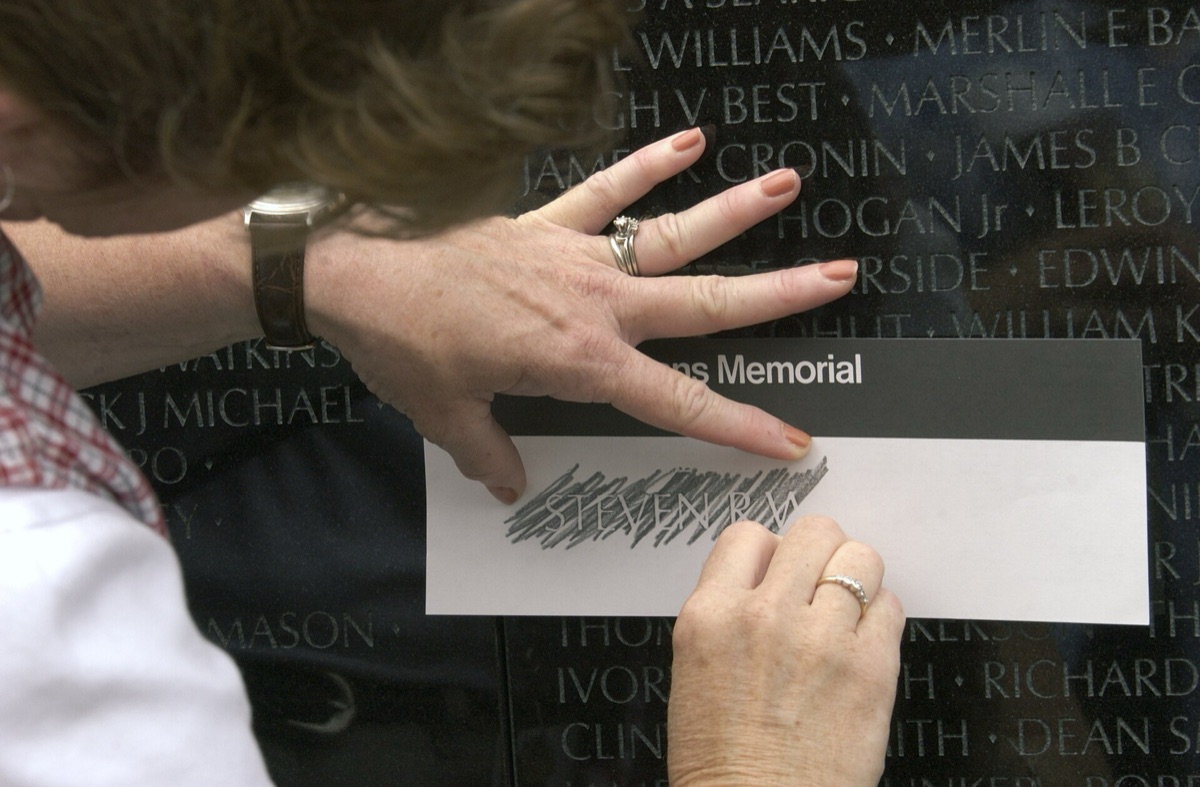
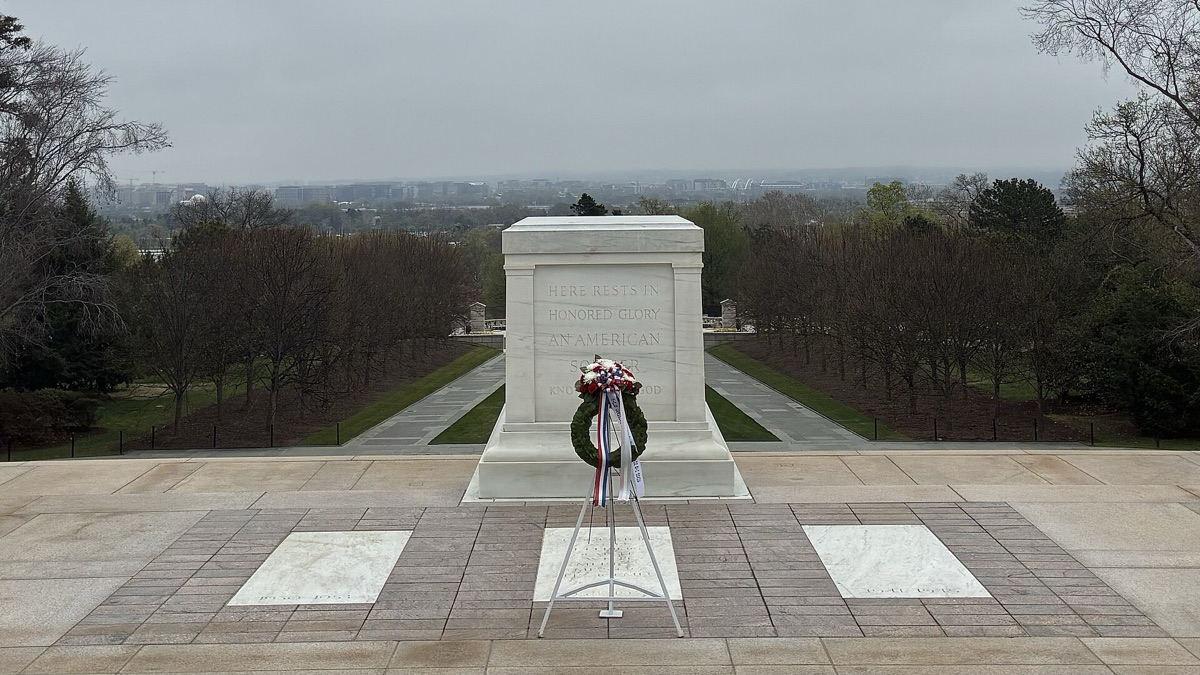
Both are for people killed in American wars. One insists on every single name; the other insists on no name at all. What does each one think remembering is for?
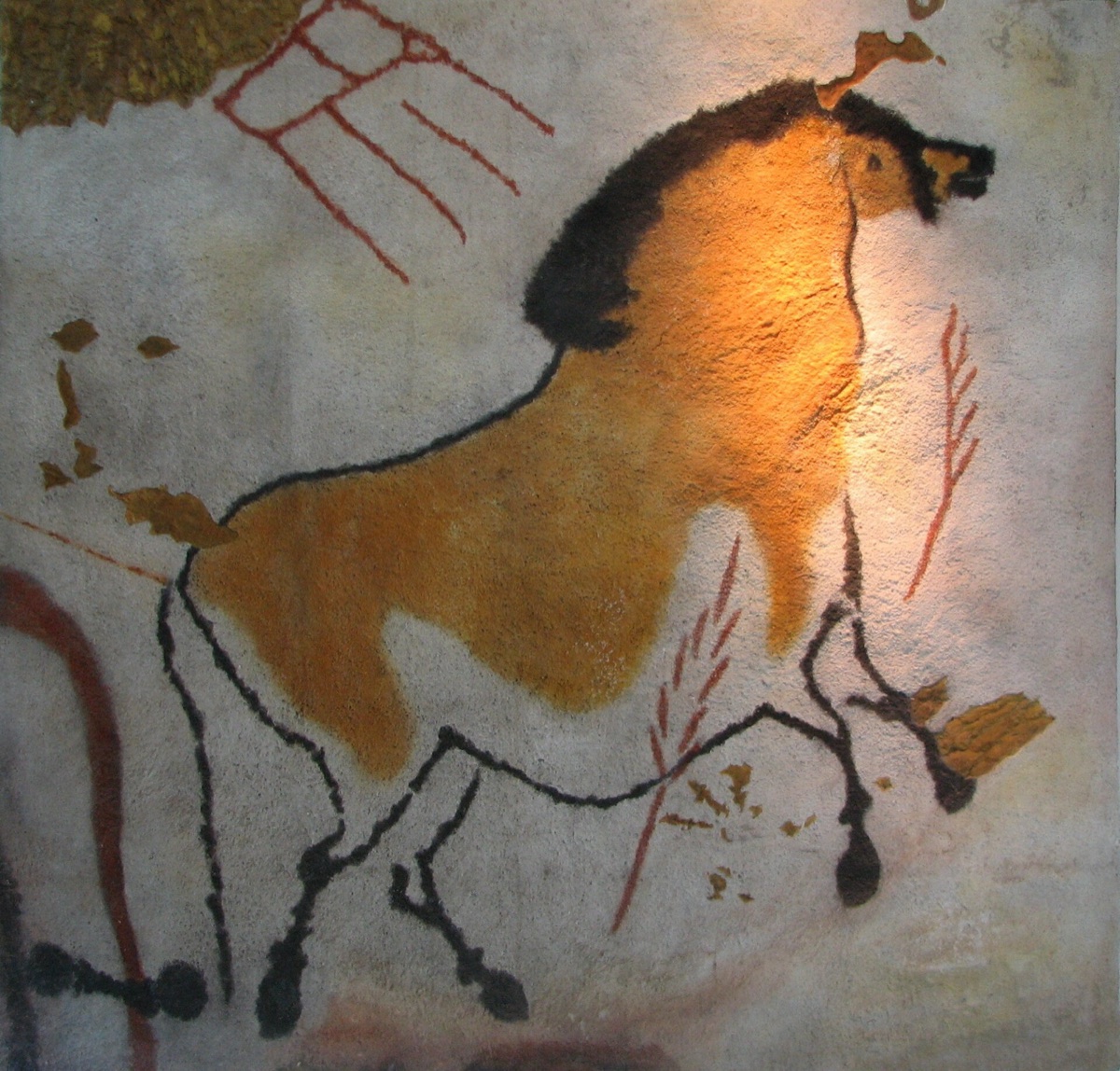
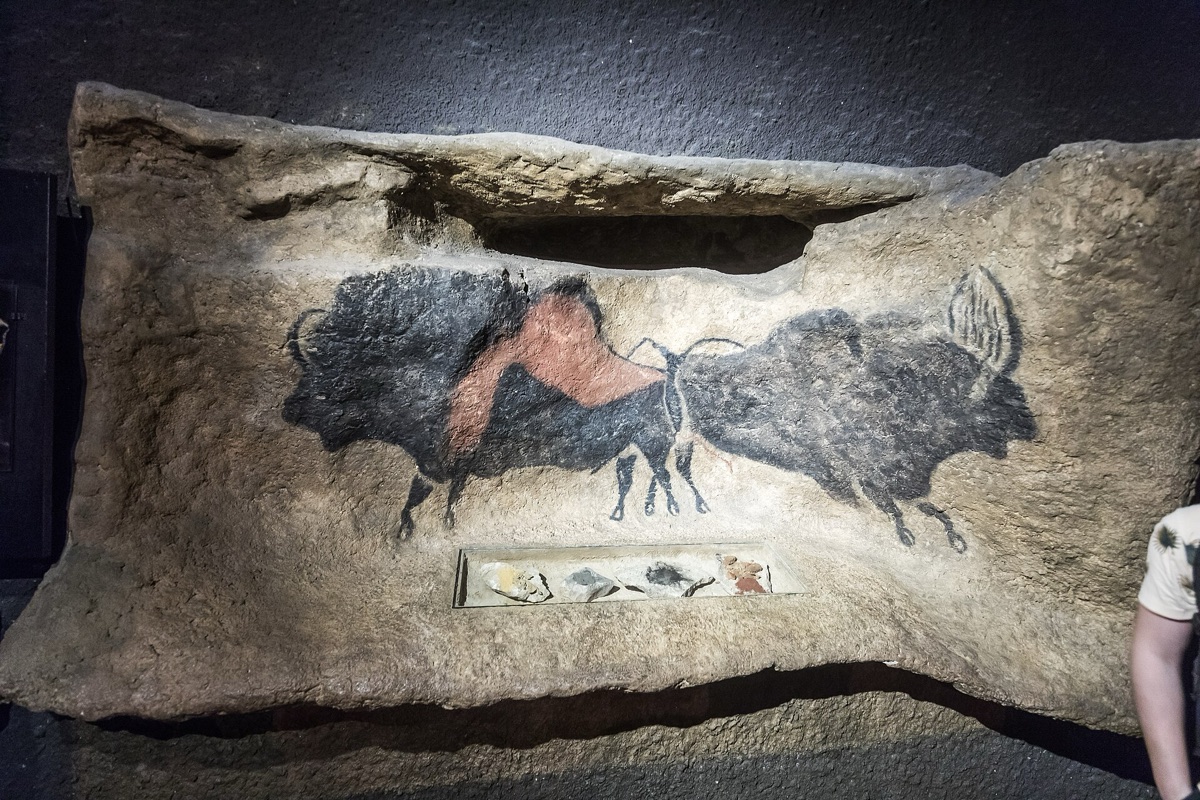
Neither of these is the cave. Lascaux was sealed in 1963 and almost nobody alive has been inside it. Millions of people have been to see it. What have they seen?
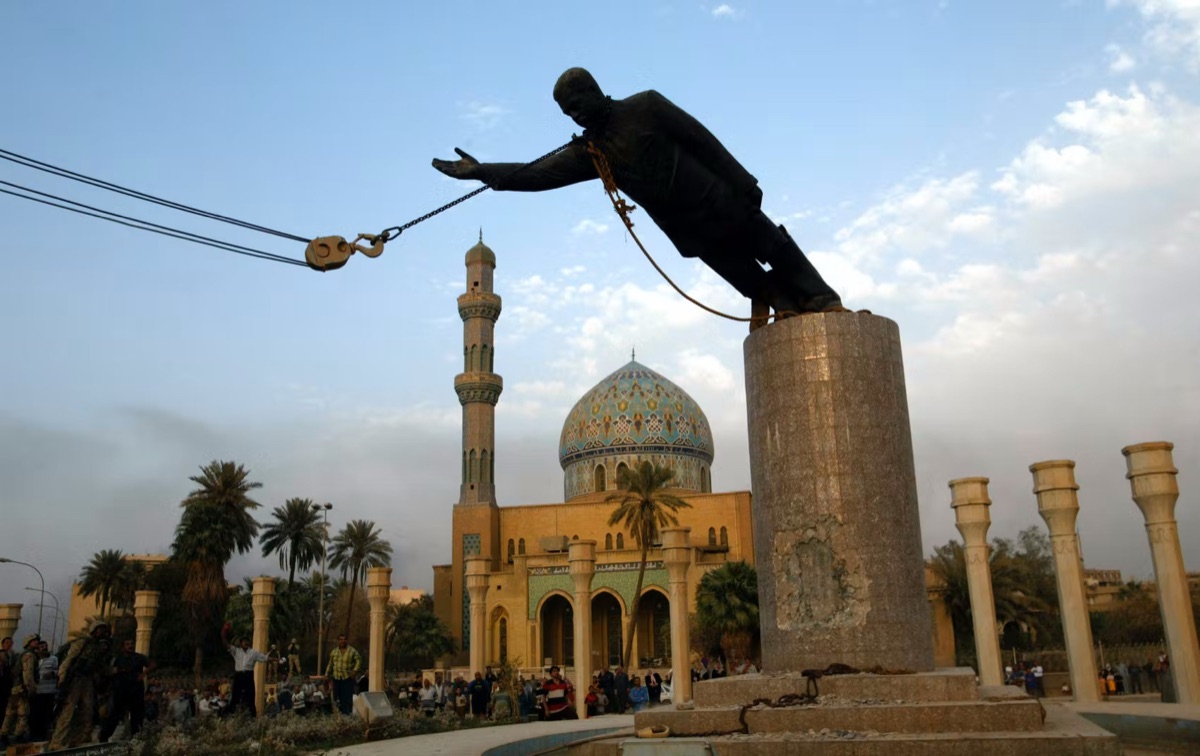
This was on front pages around the world the next morning. The plaza is nearly empty and the frame is tight. What is this photograph a source for?
Part two · discussion
Which purpose is defensible
Livy wants moral examples. Voltaire wants civilizational lessons. Ranke wants truth. Marx wants revolution. Thompson wants to rescue the forgotten. Which purpose do you find most defensible, and why?
Every picture today was decidable once you said what you wanted the history for, and undecidable until you did. Which is the answer you have been circling for seven weeks.
Next · Week 9, after the break
Many national traditions were invented, and recently
Nations feel ancient. Hobsbawm argues that many of their traditions were invented, often deliberately; Anderson calls nations imagined, not faked. Compare Kant’s plan nobody alive could see, in 4.1.