Making History • HIST 1105 • Week 10.1
The Linguistic Turn
- Background: Sarah Maza, Thinking About History (2017), ch. 6: “Facts or Fictions?”, 199–230
- Keith Jenkins, Re-thinking History (1991), ch. 3: “Doing History in the Post-Modern World”, 70–84
Maza is cited by the page of the Chicago edition; the Davis–Finlay exchange runs two pages past the assigned range, to p. 232. Jenkins is cited by the page of the Routledge Classics edition (2003), which the course PDF reproduces.
Today in context
What makes history happen?
Week 9.1 · Maza, with Anderson and Chatterjee
Nations, which turn out to be recent, imagined, and partly the work of historians.
Week 9.2 · Trouillot and Said
Power, at every stage from making a source to telling the story.
Week 10.1 · Maza, with Jenkins
Language. Sources read as texts, and histories as made things.
Week 10.2 · Campus history with AI
A machine that puts words together the way readers expect. Whether it can write history.
Part one · fact or fiction
History may not make things up, yet every account is a set of choices
“On the face of it, the question of whether history is fact or fiction should be easy to answer just by drawing a bright line: history cannot be fiction since the most basic ground rule for the discipline—in its modern form, at least—is that you are not allowed to make things up. But if modern professional norms tell us that history must be grounded in verifiable facts, postmodern sensibilities make us inescapably aware that all historical accounts are the products of choices”
If a history is built with the techniques of fiction, is it fiction?
The 1880s · the ideal
From the 1880s the profession’s ideal was objectivity, defined above all against fiction
“a commitment to the reality of the past, and to truth as correspondence to that reality; a sharp separation between knower and known, between fact and value, and, above all, between history and fiction.”
The 1880s to the 1950s · the room
It was easy to agree on objectivity in a room where everyone was alike
“It was easy to subscribe to that ideal at a time when nobody was around to challenge it plausibly. For decades, the near consensus about historical objectivity was linked to the fact that history departments were extremely homogeneous workplaces peopled by white male Protestant scholars from upper-class backgrounds.”
Compare · Week 4.2
The room that certified historians did not admit most people.
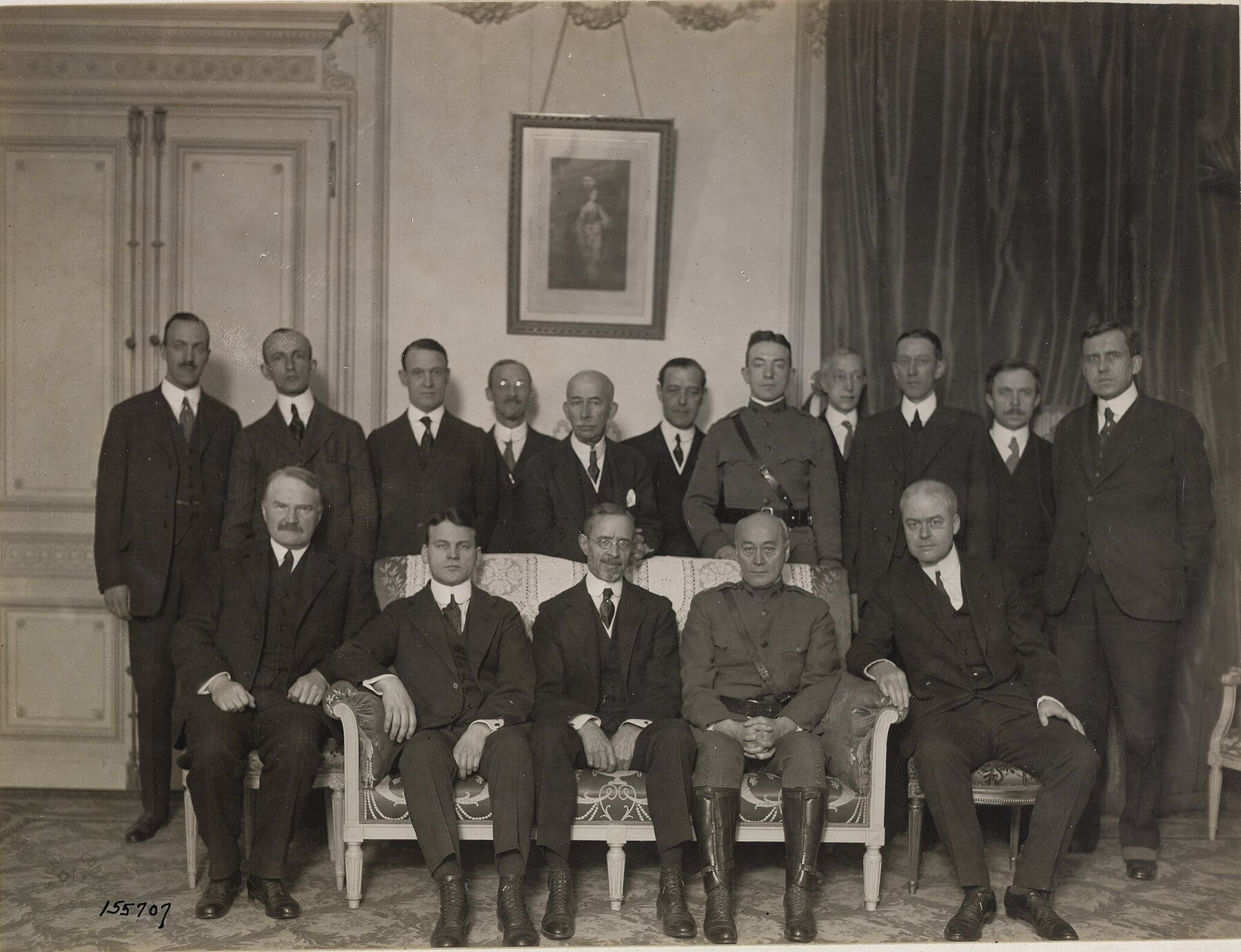
(Chas. Stern, U.S. Army Signal Corps, 111-SC-155707. National Archives. Public domain.)
The 1970s · who writes
Women and Black scholars made the historian’s identity part of the scholarship
“Far more disruptive to the epistemology of the discipline was the arrival in history departments, starting in the 1970s, of small but vocal minorities of women and African-American scholars. These groups introduced new approaches to the past that for the first time demanded that the historian’s identity be an openly acknowledged component of scholarship.”
Compare · Week 6.2
Green and Troup: historians began by finding the women and writing them back in.
By the 1980s
Each new perspective made Olympian detachment harder to believe in
“Only the most radical argued for embracing ‘subjectivity,’ but the more different perspectives on history accumulated, the harder it became to believe that any historian, however honest and well-intentioned, could tell the story of the past from a position of Olympian detachment, untainted by class, gender, racial, national, and other biases.”
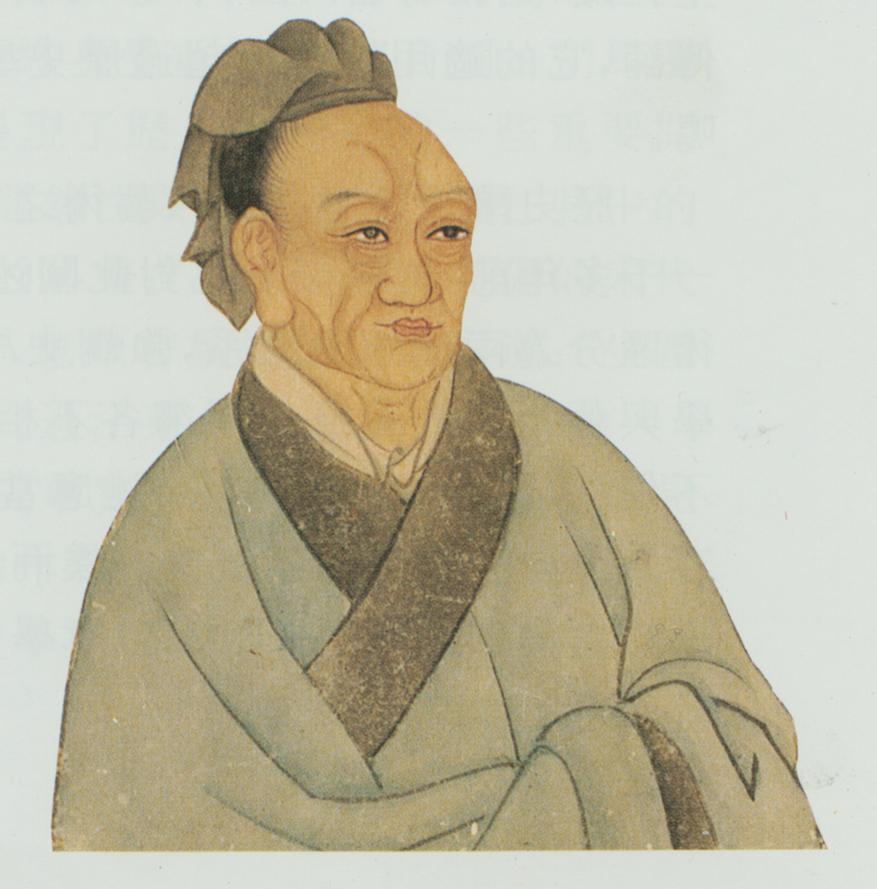
(Wikimedia Commons. Public domain.)
Seen globally
Seen from outside the West, objectivity looks like one more Western convention
“Viewed in global context, the objectivity long prized by Euro-American scholars amounts to the cherry on the cake of a centuries-long process of Western erasure of competing historical traditions, an ideal linked to underlying convictions about the value of written (‘objective’) documents as sources and of history as a unitary, linear process.”
Compare · Week 9.2
Said: describing and teaching “the Orient” was one of the ways the West ruled it.
Part one · discussion
Objectivity and who was in the room
Maza says the newcomers of the 1950s–60s did not question objectivity; the women and Black scholars of the 1970s, who made identity part of the work, did (pp. 203–204). Why was that the blow?
It challenged who could know, not only what to study. Dissenters came to call objectivity “the particular perspective of the white upper-class men at the helm” (p. 208).
Part two · postmodernism
In the 1980s a wave from linguistics and philosophy reached the history departments
“‘Postmodernism’ is a catchall term frequently used to describe the intellectual tsunami that hit the humanistic end of the academy with full force in the 1980s, originating in the fields of linguistics, philosophy, and literary studies . . . For our purposes, the most important aspect of postmodernism, as it came to affect historical work and nourish controversy, is its emphasis on language and ‘text.’”
Maza’s genealogy · 1916 to the 1980s
Her genealogy runs from a theory of words to a way of reading sources
01 · Saussure, 1916
Words mean by difference
“Cat” means something because it differs from “cap” and “bat,” not because of the animal.
02 · Lévi-Strauss, 1950s–60s
Cultures as codes
Kinship, myth and totem read as grids of opposites: raw and cooked, male and female.
03 · Derrida, 1970s
Meaning deferred
A term pushes away an unlimited number of opposites, so its meaning is never fixed.
04 · Historians, 1980s
Sources as texts
Documents read as patterns of words and stories, not as windows onto the past.
Maza, pp. 209–211.
Structuralism · the cost
If structures make meaning, people stop being the authors of their history
“Structures, not people, generate meaning, and humans are therefore not the causes but the effects of linguistic and cultural structures: we can think, speak—in short, exist—only through preexisting grids of collective meaning. Structuralism is therefore ‘antihumanist,’ in the technical sense that it discounts individual human behavior and experience, which it views as subordinate to systems of signs.”
Compare · Week 6.1
Thompson: the working class “was present at its own making.”
The 1980s · the climate
Few historians read the theorists, but the climate reached them anyway
“This sort of high theory sounds remote from the preoccupations of most historians, and indeed only a tiny number of them engaged firsthand with the writings of theorists like Derrida. Within academia, however, structuralism and poststructuralism helped create, by the 1980s, a broad intellectual climate known as postmodernism whose implications translated into controversial propositions regarding historians’ approaches to the past.”
The 1980s · the linguistic turn
For historians the result was the linguistic turn: sources read as texts, not windows
“the 1980s saw the advent in Western historical studies of approaches to the past in which sources were viewed not as transparent windows onto a past reality but as ‘texts.’ The emphasis on ‘texts,’ which came to be known as the ‘linguistic turn,’ was a change in perspective whereby historians sympathetic to movements like postmodernism and the new cultural history started reading sources as patterns of words and stories, as forms of ‘fiction’ in the broadest sense, rather than as documentary evidence.”
Fiction · the word
In this sense fiction means made, not false
“In its original sense, ‘fiction’ does not mean ‘something untrue’ but ‘something created and shaped,’ an important distinction.”
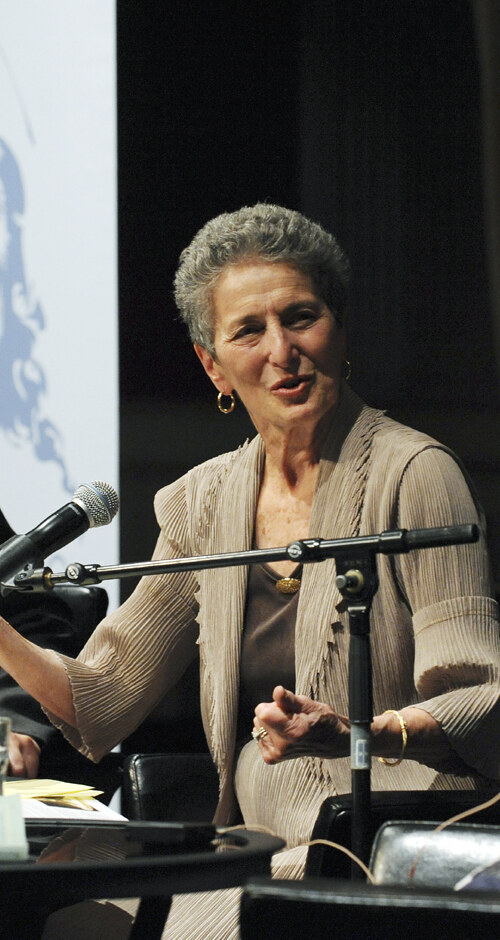
Davis · 1987
Davis read pardon tales for the stories petitioners told the king
“we were ordinarily taught as scientific historians to peel away the fictive elements in our documents so as to get at the real facts.”
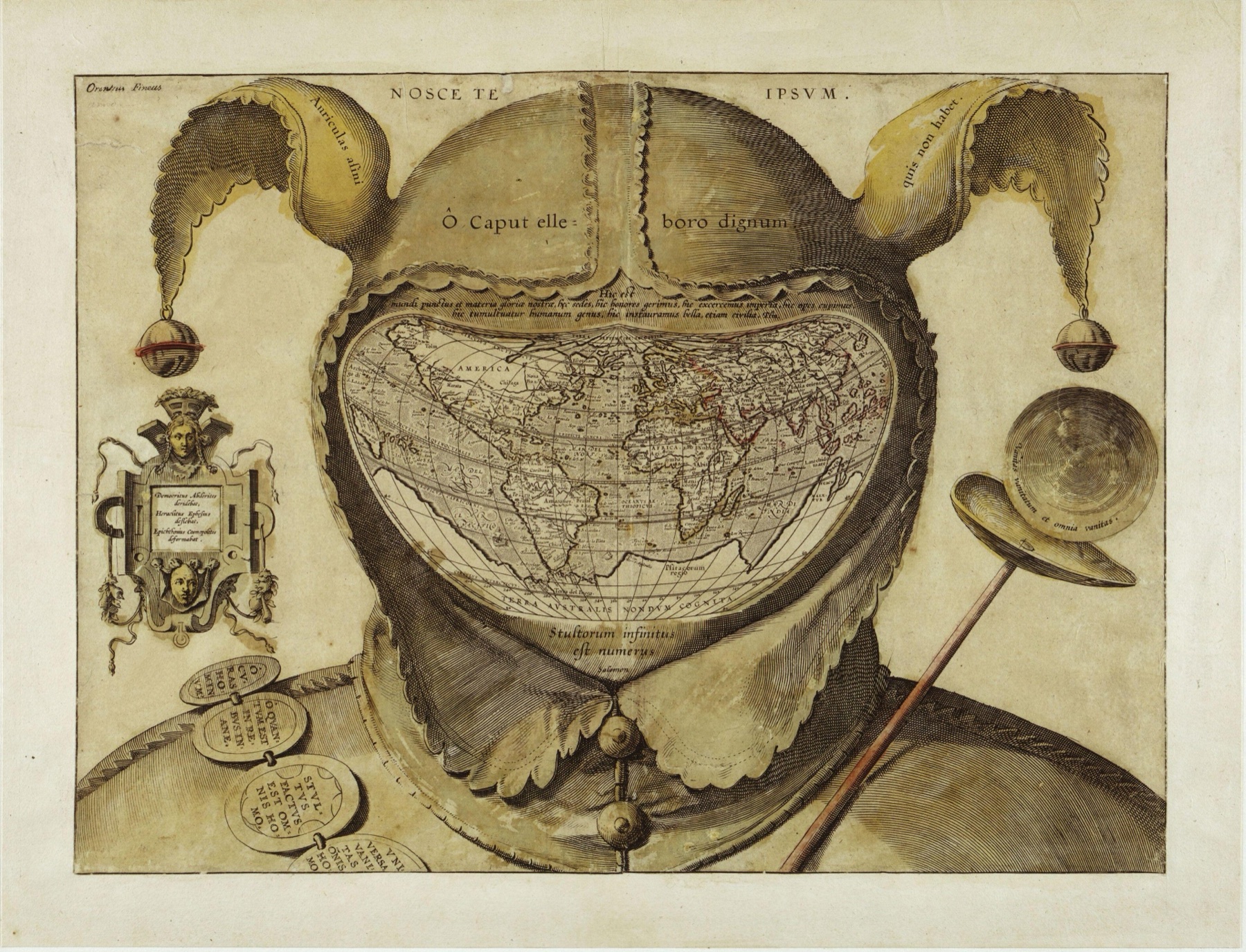
(Wikimedia Commons. Public domain.)

White · 1973
White: historians do not invent the facts, but they supply the plot
“All historical writing, White argues, is a form of fiction-making. He does not thereby suggest that historians invent documents or sources, but that at least in the modern Western mode, historical writing invariably adheres to one of several types of narrative plots drawn from, in the broadest sense, literary culture.”
White · the plots
The same Industrial Revolution can be written as a tragedy or a comedy
Tragedy
Thompson’s artisans
“Doomed to exploitation and poverty.”
Comedy
The same decades, retold
“The standard of living rises for everyone!”
Romance
Marxists and nationalists
Heroes “prevailing in the face of adversity.”
Satire
The fourth mode
Nobody wins, nothing resolves, and the historian stands back.
Maza, p. 215, after White, Metahistory, pp. 7–30. The satire card is White’s alone.
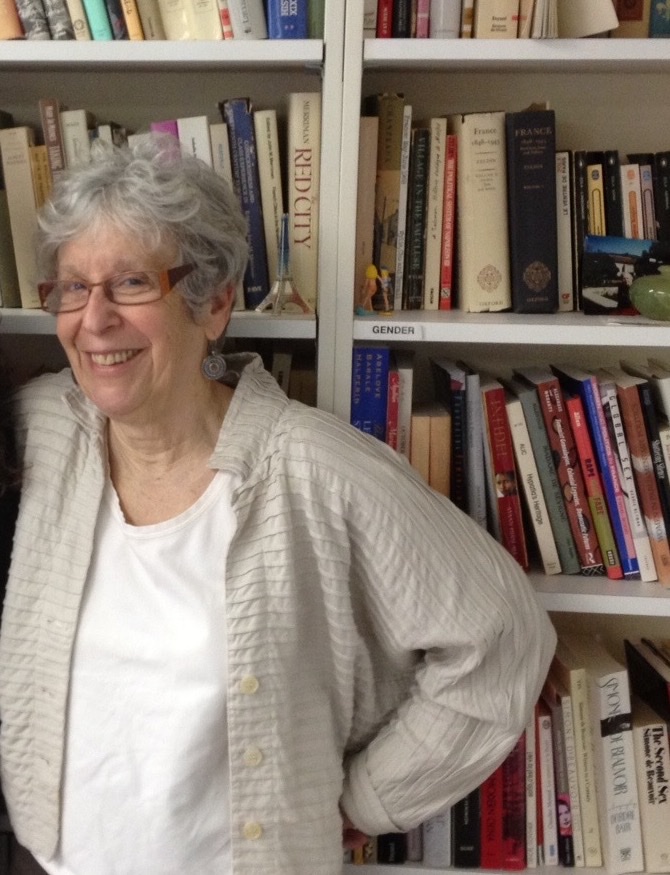
Scott · 1986
Scott took the turn to gender: the category itself has a history
“words, like the ideas and things they are meant to signify, have a history.”
Part two · discussion
A history without a story
White says historians impose narrative on evidence (Maza, p. 214). What would a history without narrative look like, and is it possible?
Two candidates: the chronicle, which Maza, following White, calls “devoid of meaning” today (p. 214), and Week 5’s Annales structures. Whether the second escapes plot is the argument.
Part three · the critics
British critics answered with alarm, and some with Francophobia
“The absurd always sounds better in French.”
The 1990s · the challenge
Underneath the alarm was a real challenge: we cannot be sure the past happened
“A rigorously postmodern position does indeed present a serious philosophical challenge to the way most people think of history in that it suggests we can never be assured that the past really happened. All we historians have, a postmodernist would argue, are words and ‘texts’ (including oral testimony, images, and physical artifacts), whose relationship to a ‘real past’ can never be known.”
The 1990s · the moral objection
Many historians’ deepest objection was moral: some pasts must be affirmed as real
“Auschwitz was not a discourse. It trivializes mass murder to see it as a text. The gas chambers were not a piece of rhetoric. Auschwitz was indeed inherently a tragedy and cannot be seen as either a comedy or a farce.”
The 1990s · the historians
Historians took the linguistic turn, but almost none stopped believing in the past
“Many creative historians took the ‘linguistic turn’ in the 1980s and 1990s, looking to stories or representations, but almost none of them professed disbelief in the reality of the past.”
Appleby, Hunt and Jacob · 1994
The settlement most historians can live with is a qualified objectivity
“‘Qualified objectivity,’ then, amounts to an interactive relationship between an inevitably subjective historian and the materials that limit and shape her inquiry.”
Drawing the line
Historians agree in principle on an embargo on invention, and argue about imagination
“Agreement reigns in principle that historians are bound by the facts and obey a strict embargo on invention. But the historian’s task also consists in assembling scattered sources and connecting the dots between them, and superior historical work involves the ability to imagine the past and recreate it in vivid prose. Disagreement often arises, often contentiously, as to which forms of dot-connecting and imagination are licit and which are not.”
Drawing the line · Maza’s cases
Maza’s cases run from fabrication through carelessness to imagination
Bellesiles · 2000–2002
Fabrication
A prize-winning book on guns in early America. An outside committee found “outright falsification”; the prize was rescinded.
Abraham · 1980s
Carelessness
He presented “as direct quotes from the sources what were actually his paraphrases,” and denied deliberately inventing documents.
Davis · 1983
Imagination
The Return of Martin Guerre reconstructs what a peasant wife “must have” known. A critic called it invention.
Maza, pp. 225–232.
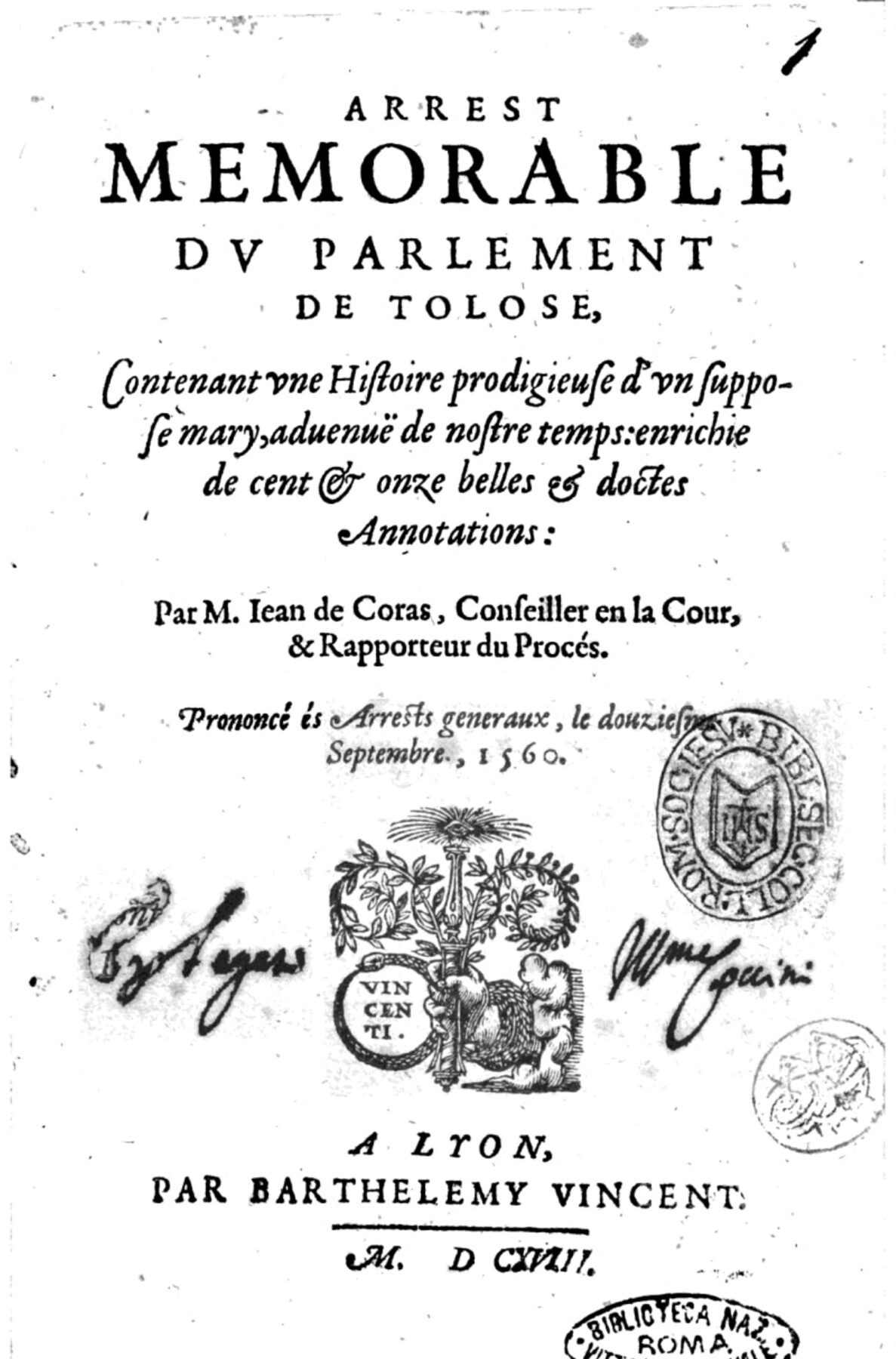
(Biblioteca Nazionale Centrale, Rome, digitized by Google. Internet Archive. Public domain.)
Davis and Finlay · 1988
Davis and her critic disagreed about how far a historian may imagine
Robert Finlay · American Historical Review, 1988
“In historical writing . . . where does reconstruction stop and invention begin?” Speculation “is supposed to give way before the sovereignty of the sources, the tribunal of the documents.” quoted in Maza, p. 232
Natalie Zemon Davis · her reply, same issue
Of her “in part my invention”: “I opened the gap between what I hope to accomplish and what the sources could yield with absolute certainty; by my last page, the reader has had ample encouragement to think about other ways of making sense of the evidence.” quoted in Maza, p. 232
Part three · discussion
A story and a lie
Bellesiles falsified figures, Abraham passed off paraphrases as quotations, and Davis imagined what Bertrande knew. Which of them told a lie, and how would you know?
Fraud is clear. Short of it, Maza asks rather than answers: “how can any historian know where and how to draw the line between interpretation and distortion?” (p. 229).

Part four · Jenkins, 1991
Jenkins, one of the critics’ targets, builds his chapter around his own questions
01 · p. 71
What is post-modernism?
“What do these things mean and how can they be explained?”
02 · p. 72
Why now?
“Why have such endings occurred? Why this now ‘common sense’ (of) incredulity?”
03 · pp. 77–81
What has it done to history?
His second section, on “that whole mass of history genres.”
04 · pp. 81–82
How should history be done now?
“How might this desirable approach to history then . . . be realised?”
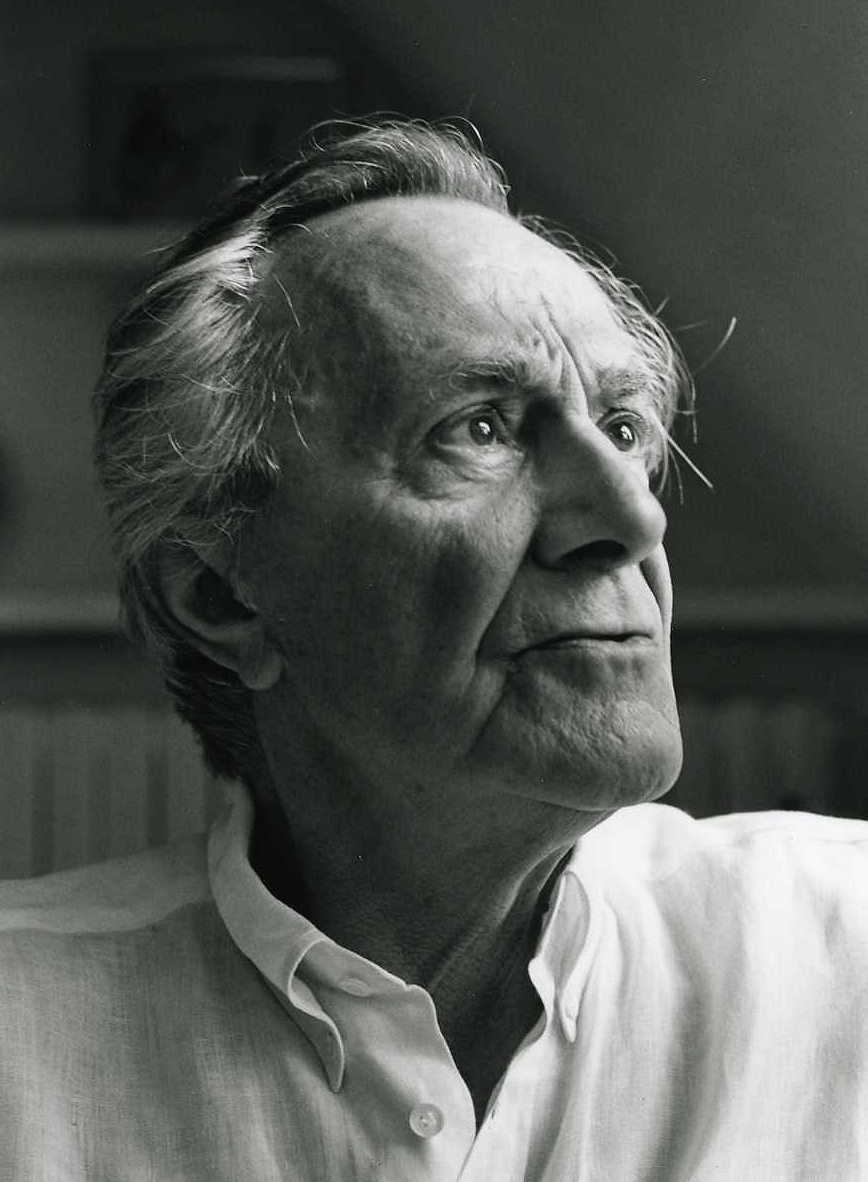
Jenkins · question 1 · what it means
He takes his definition from Lyotard: the “death of centres” and “incredulity towards metanarratives”
“Lyotard’s definition at its most basic is rather minimal, characterising post-modernism as witnessing the ‘death of centres’ and of displaying ‘incredulity towards metanarratives’.”
Jenkins · question 1 · the centers
Frameworks that looked natural turn out to serve particular interests
“all those old organising frameworks that presupposed the privileging of various centres (things that are, for example, Anglo-centric, Euro-centric, ethno-centric, gender-centric, logo-centric) are no longer regarded as legitimate and natural frameworks (legitimate because natural), but as temporary fictions which were useful for the articulation not of universal but of actually very particular interests”
Jenkins · question 1 · the metanarratives
The great stories lost their hold: God’s first, then progress
“those great structuring (metaphysical) stories which have given meaning(s) to western developments have been drained of vitality. After the nineteenth-century announcements of the death of God (the theological metanarrative), the death of secular surrogates has occurred . . . that whole Enlightenment project; those various programmes of human progress, reform and emancipation that manifested themselves in, say, humanism, liberalism, Marxism, and so on.”
Compare · Weeks 4 and 5
Voltaire and Kant argued for progress; Marx gave history a motor.
Jenkins · question 2 · why now
His answer: value moved from birth to effort to life to the market
01 · Pre-modern
Born to rule
“Divinity, race, blood, lineage”: worth was what a man was by birth.
02 · The bourgeoisie
Earned, not given
Value “by effort,” located in the property that embodied the work.
03 · The workers
Alive, therefore valuable
With no property, men “had value just by being alive.” Marx built them the story.
04 · After 1950
Exchange value
Worth is what a thing fetches, and “people too take on the garb of objects.”
Jenkins, Re-thinking History, pp. 72–74.
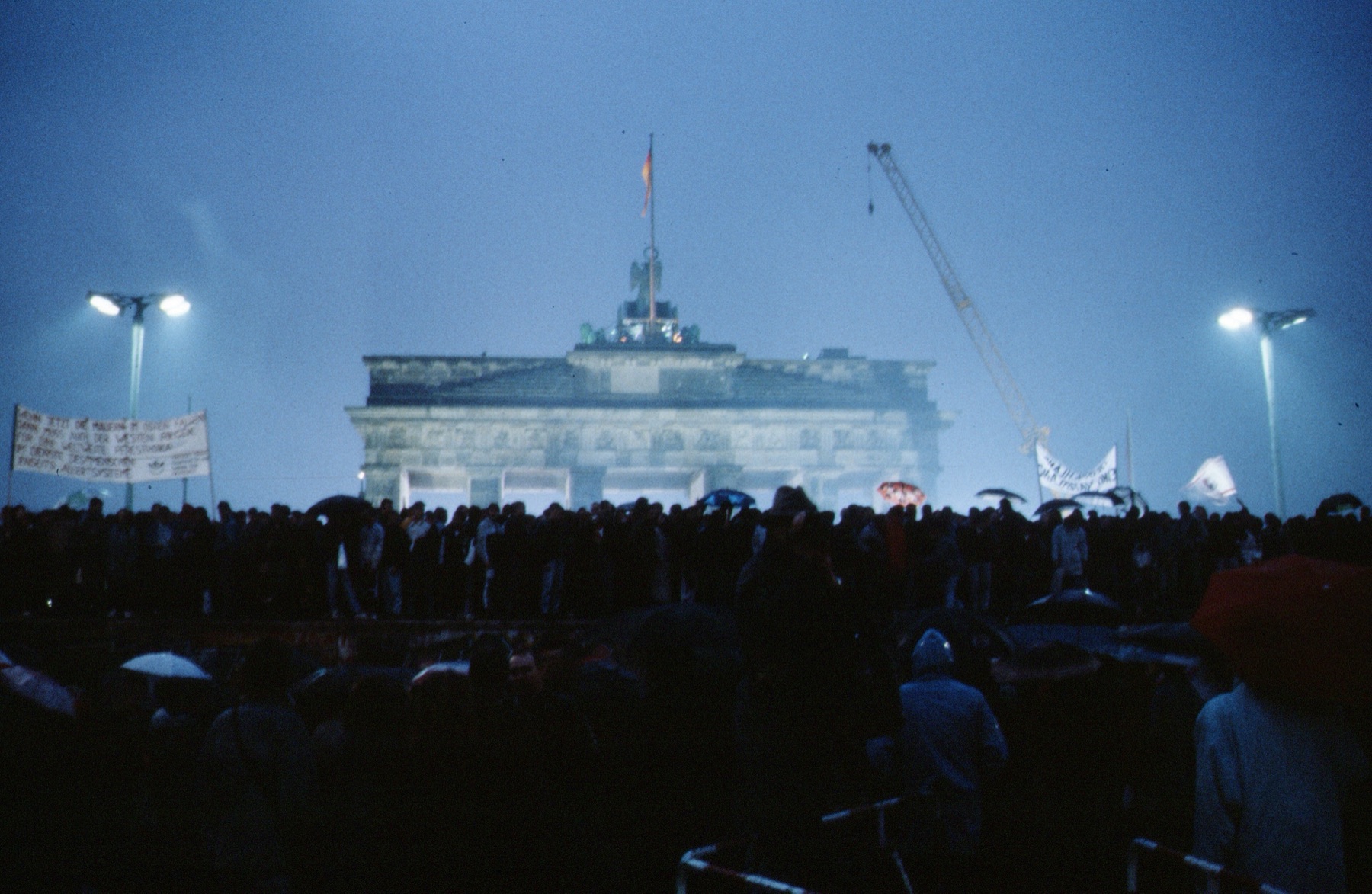
(Photograph: Raphaël Thiémard. Wikimedia Commons, CC BY-SA 2.0.)
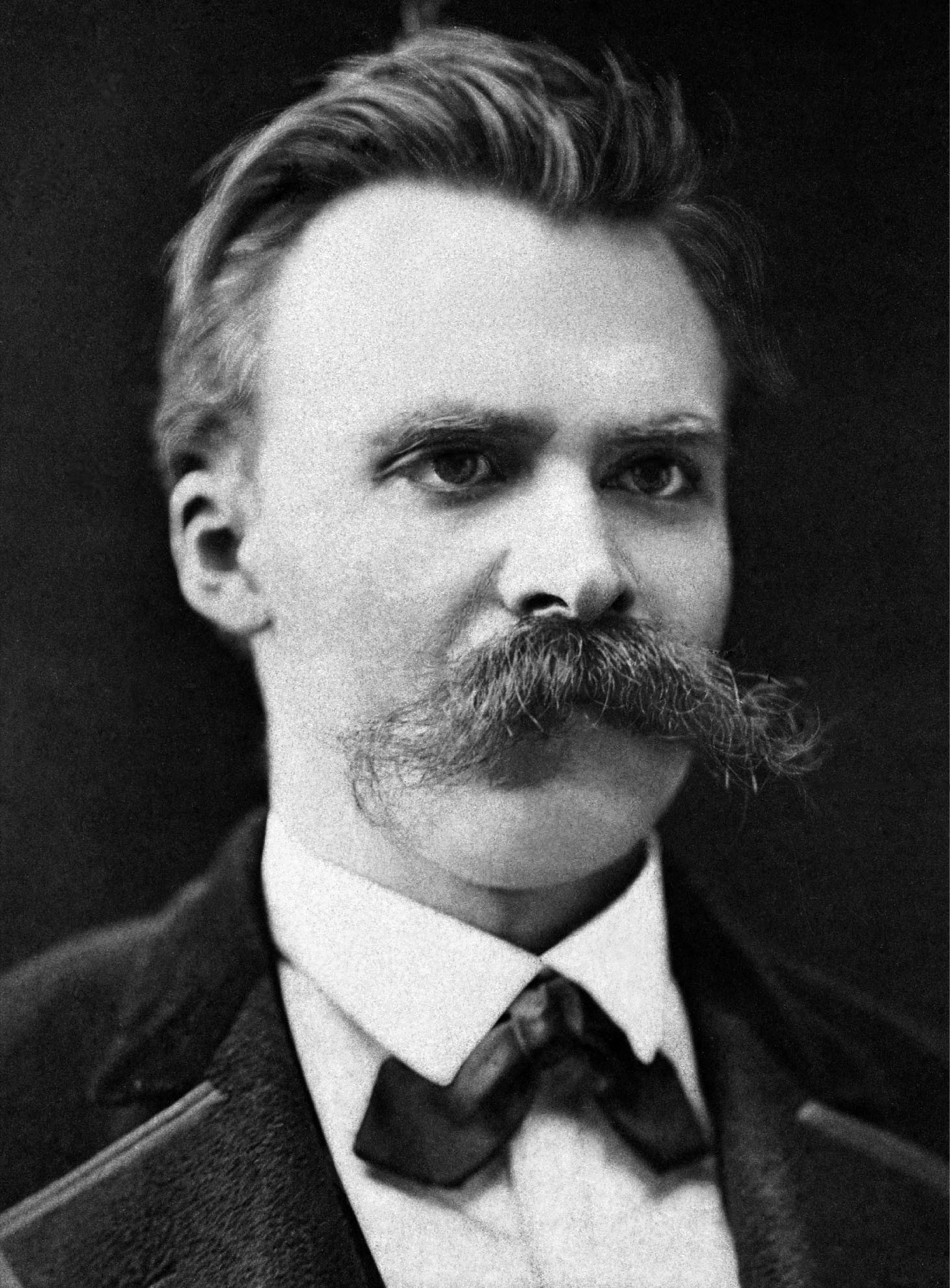
Jenkins · question 2 · no foundations
Jenkins: from Nietzsche to Derrida, every search for foundations found none
“As they have searched ever harder for some foundations for their own positions, what they have all realised is that no such foundations exist either for themselves or for anybody else – and nor have they ever done so: every idol has had feet made of clay.”
Jenkins · question 3 · what it does to history
After Rorty: a past that can be redescribed without end
“this is a past that can be infinitely redescribed. It can and has supported countless plausible and, vis-à-vis their own methodological lights, equally legitimate histories; it has unfailingly given whatever historians (and their impersonators) have wanted and want: various births, origins, legitimating antecedents, explanations and lines of descent (Tory, Whig, Marxist etc.) useful for them as they try to be in control, so that they can make the past their past and so say, along with Nietzsche, ‘So I willed it.’”
Jenkins · question 3 · the genres
The result is a mass of histories, each somebody’s
“Here we can identify, say, historians’ histories (professional histories attempting to exercise hegemony over the field, a version expressed in the thesis, the monograph and the text), teachers’ histories (necessarily popularisations of professional histories), and then a whole range of other distinctive forms that can only be listed: children’s histories, popular-memory histories, proscribed histories, black histories, white histories, women’s histories, feminist histories, men’s histories, heritage histories, reactionary histories, revolutionary histories, bottom-dog histories, top-dog histories, etc.”
Jenkins · question 3 · power/knowledge
Which history sits at the center is settled by power, not by method
“interpretations at (say) the ‘centre’ of our culture are not there because they are true or methodologically correct (brilliant histories can be marginalised if their subject matter is unpalatable) but because they are aligned to the dominant discursive practices: again power/knowledge.”
Compare · Week 9.2
Trouillot: power enters at every stage, from making a source to telling the story.
Jenkins · question 3 · freedom or loss
The same flux could free the marginal or leave them no past
Viewed positively · Jenkins
“This interpretive flux, when viewed positively, is potentially empowering to even the most marginal in that they can at least make their own histories even if they do not have the power to make them other peoples’.” p. 79
The danger · Peter Widdowson’s scenario, quoted by Jenkins
“In this scenario, post modernism is the last great gambit of capitalism to [try and] defeat opposition, contestation and change” — a pastlessness “held to be more damaging for those whose constructions are at an early stage.” p. 80
Jenkins · question 3 · his position
Jenkins places himself between “authorised history” and no past at all
“Between the Scylla and Charybdis of, on the one hand, authorised history and, on the other, post-modern pastlessness, a space exists for the desirable outcome of as many people(s) as possible to make their own histories such that they can have real effects (a real say) in the world.”
Jenkins · question 3 · history redefined
History, redefined: not knowledge of the past but a practice for present needs
“viewed not in its traditional guise as a subject discipline aiming at a real knowledge of the past, but seen rather as what it is, a discursive practice that enables present-minded people(s) to go to the past, there to delve around and reorganise it appropriately to their needs”
Jenkins · question 4 · how to do it
With no unpositioned history, the only choice is between aware and unaware
“There is no such thing as an ‘unpositioned centre’ (actually a contradiction in terms); no possibility of an unpositioned site. The only choice is between a history that is aware of what it is doing and a history that is not.”
Compare · Week 1
Carr: “Study the historian before you begin to study the facts.”
Jenkins · question 4 · two proposals
His two proposals: a reflexive method, and histories of the present
01 · Method · p. 82
A reflexive methodology
Students would be “given an explicit analysis of why the history you are getting is the one you are getting and why you are getting it in the way you are and not in any other.”
02 · Content · pp. 83–84
Histories of the present
In Foucault’s phrase, “a series of ‘histories of the present’”: studies of “the makings of the histories of post-modernity itself.”
Part four · discussion
Jenkins and the line
Jenkins says the past “can be infinitely redescribed” (p. 77). Can his position still tell Bellesiles from Davis?
Partly. A falsified table fails even “their own methodological lights” (p. 77). To rank two honest histories, he prefers the one “aware of what it is doing” (p. 82).
The lecture · looking back
Objectivity questioned, sources read as texts, a line argued over, and every history positioned
01 · Maza, pp. 199–208
Objectivity questioned
Questioned from within, then broken when historians made their identity part of the work.
02 · Maza, pp. 209–216
Sources read as texts
Fiction as made, not false: Davis’s pardon tales, White’s plots, Scott’s gender.
03 · Maza, pp. 220–232
Arguing over the line
Almost no historian doubted the past. Most settled on a qualified objectivity, and kept arguing over imagination.
04 · Jenkins, 1991
Every history positioned
The past endlessly redescribed, and the only choice between aware and unaware.
The take home
Every history is made by someone, from evidence nobody may invent
The rule that stays
In principle, historians “obey a strict embargo on invention” (Maza, p. 225). Even White, in her account, never says they invent “documents or sources” (p. 214).
What changed
The plot and the position belong to the historian and cannot be taken out. Fiction in the old sense, “something created and shaped,” names that work (p. 211).
The cost: someone must say what makes one history better. Most historians answer “qualified objectivity” (Maza, pp. 224–25); Jenkins, a history “aware of what it is doing” (p. 82).
Thursday · 10.2
Next: a machine that puts words together the way readers expect
Jenkins says no history is written from nowhere. Where is a language model writing from?