Making History • HIST 1105 • Week 14.1
The History of Medicine
- Background: Sarah Maza, Thinking About History (2017), ch. 3: “The History of What?”, 83–108
- Charles E. Rosenberg, “Framing Disease: Illness, Society, and History,” in Rosenberg and Janet Golden, eds., Framing Disease (1992), xiii–xxvi
Rosenberg’s introduction is numbered in roman numerals. Shapin is quoted from The Scientific Revolution (1996), from Week 13.1.
Doctors’ histories · to 1930
The history of disease was long written by doctors and moral writers
“Although it has been a traditional concern of physicians, antiquarians, and moralists, the study of disease is still comparatively novel for social scientists.”
The physicians’ version
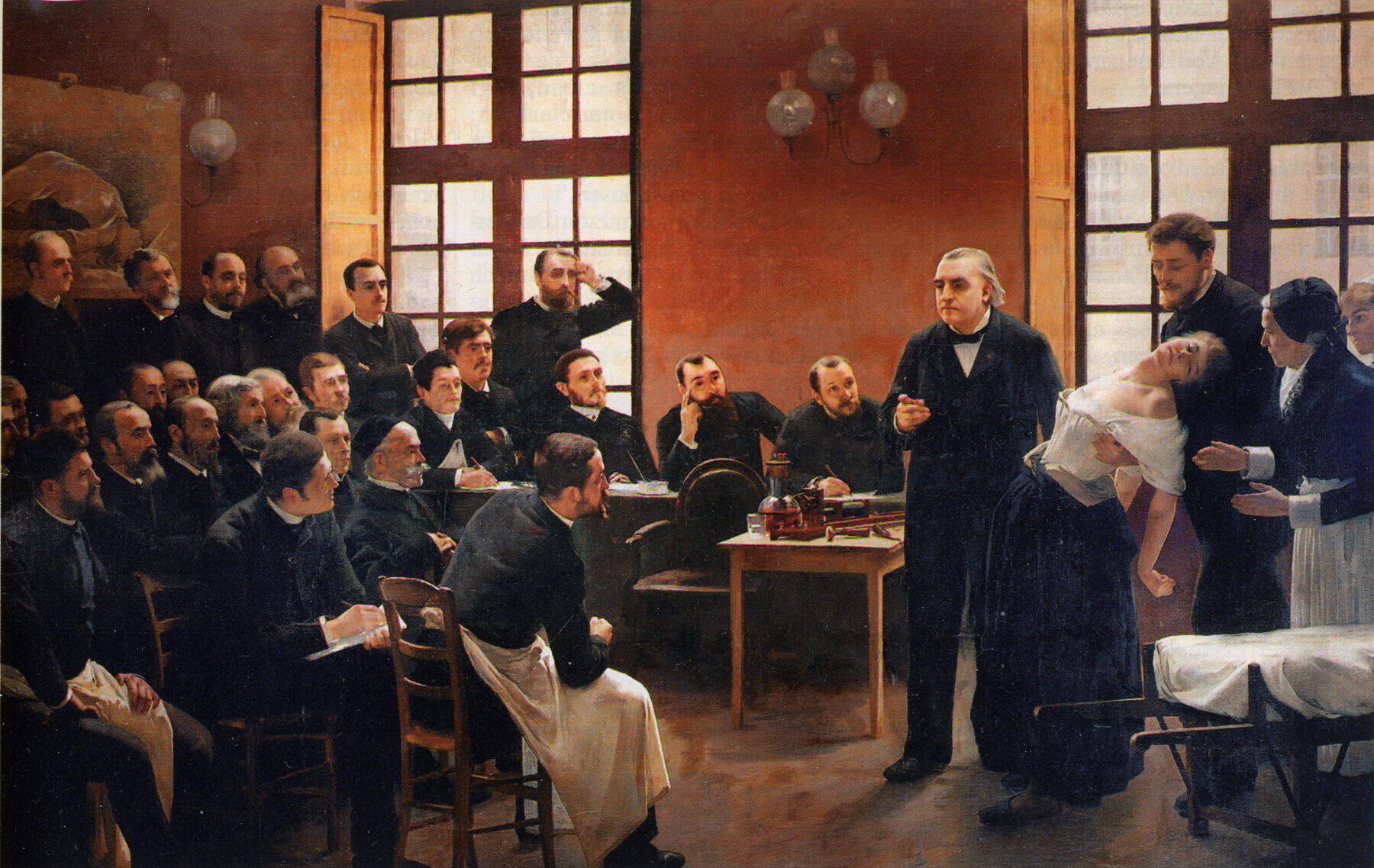
Antiquarians were collectors of old things and texts. Doctors wrote most early histories of medicine: great men from Hippocrates to Pasteur beating back ignorance.
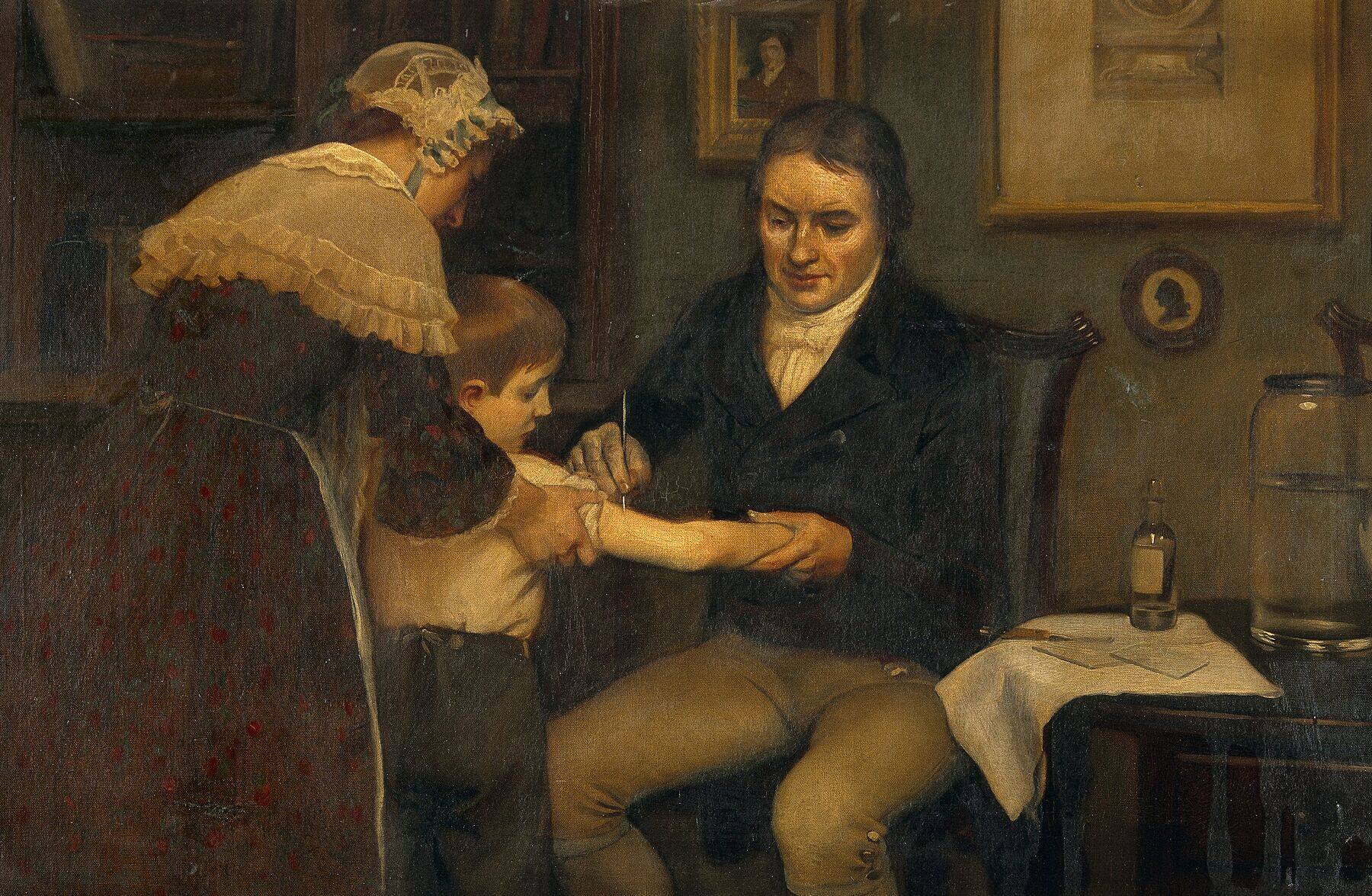
(Wellcome Collection. CC BY 4.0; frame cropped.)
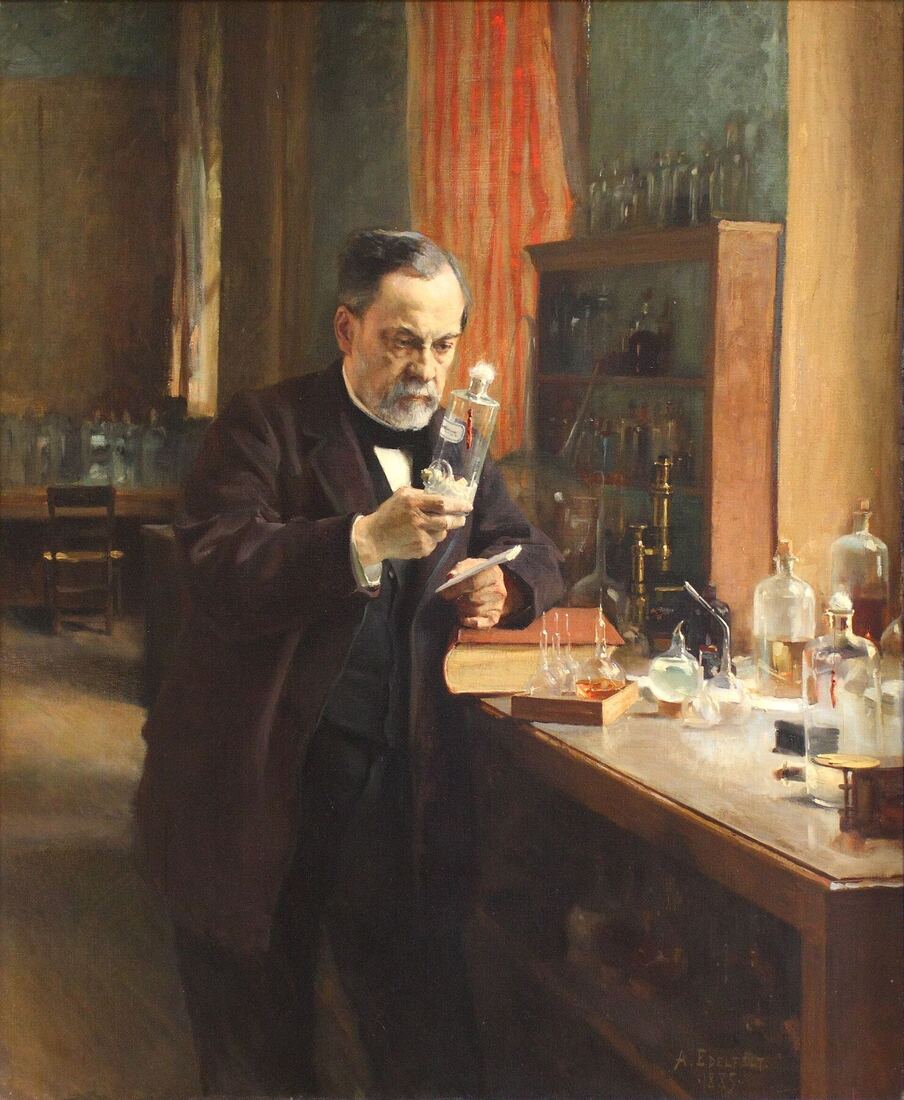
(Musée d’Orsay, via Wikimedia Commons. Public domain.)
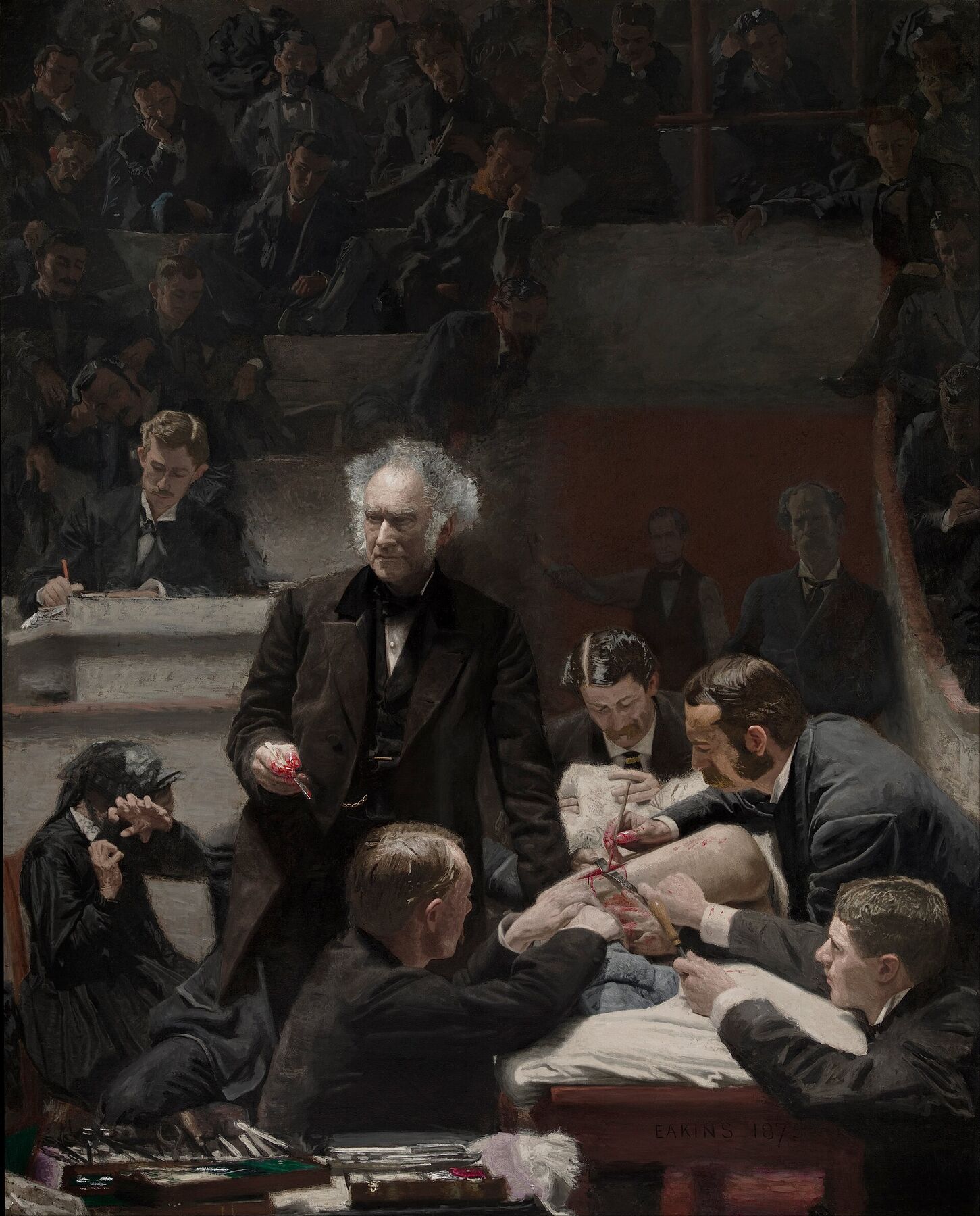
(Philadelphia Museum of Art and Pennsylvania Academy of the Fine Arts. Public domain.)
1930s–40s · society
Medicine’s history began to be written as part of society’s history
“Every aspect of medicine’s history is necessarily ‘social,’ whether acted out in laboratory, library, or at the bedside.”
Henry Sigerist, a doctor turned historian, wrote Civilization and Disease (1943) about disease, work and poverty, not only doctors.
1961 · madness
The freeing of the mad came to be seen as a new kind of control
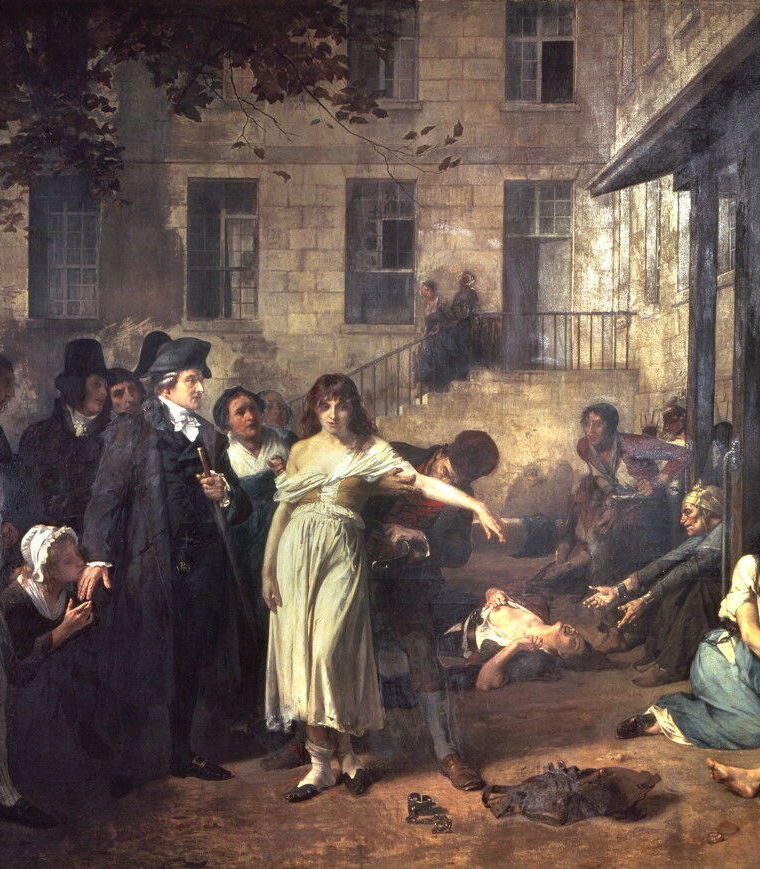
Critics came to see diagnoses “as tools of social control, as labels for deviance” Rosenberg, “Framing Disease,” p. xvi
Michel Foucault’s Madness and Civilization (1961) argued that the asylum replaced chains with constant watching. Deviance means behavior a society treats as abnormal.
Discuss
Was unchaining the mad an act of kindness or a quieter kind of control?
Rosenberg · 1962 · cholera
Reactions to disease could show what a society believed
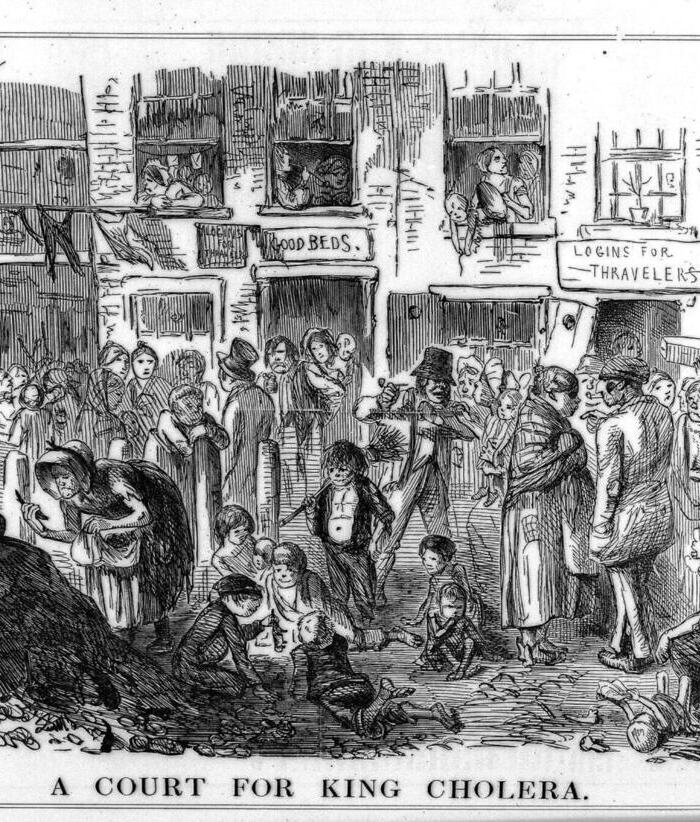
Once cholera was known to spread “through the water supply, policy choices were reframed not only in practical engineering terms but in political and moral ones.” Rosenberg, “Framing Disease,” p. xx
Rosenberg’s own The Cholera Years (1962) followed the epidemics of 1832, 1849 and 1866. Americans first read cholera as punishment for sin, later as a problem of filth and water.
1970s · ecology
Historians began to treat disease as part of the environment
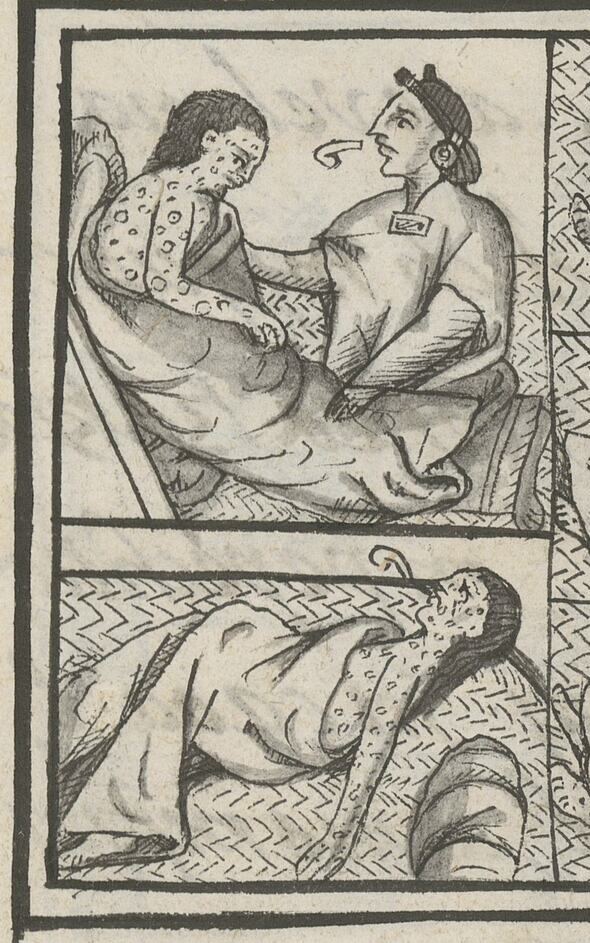
Historians took up “an ecological vision of history in which disease plays a key role, for example, in the Spanish conquest of Central and South America.” Rosenberg, “Framing Disease,” p. xv
Alfred Crosby’s The Columbian Exchange (1972) traced the plants, animals and germs that crossed the Atlantic after 1492. William McNeill’s Plagues and Peoples (1976) went worldwide.
1976 · did medicine work?
Historians asked whether doctors deserved credit for longer lives
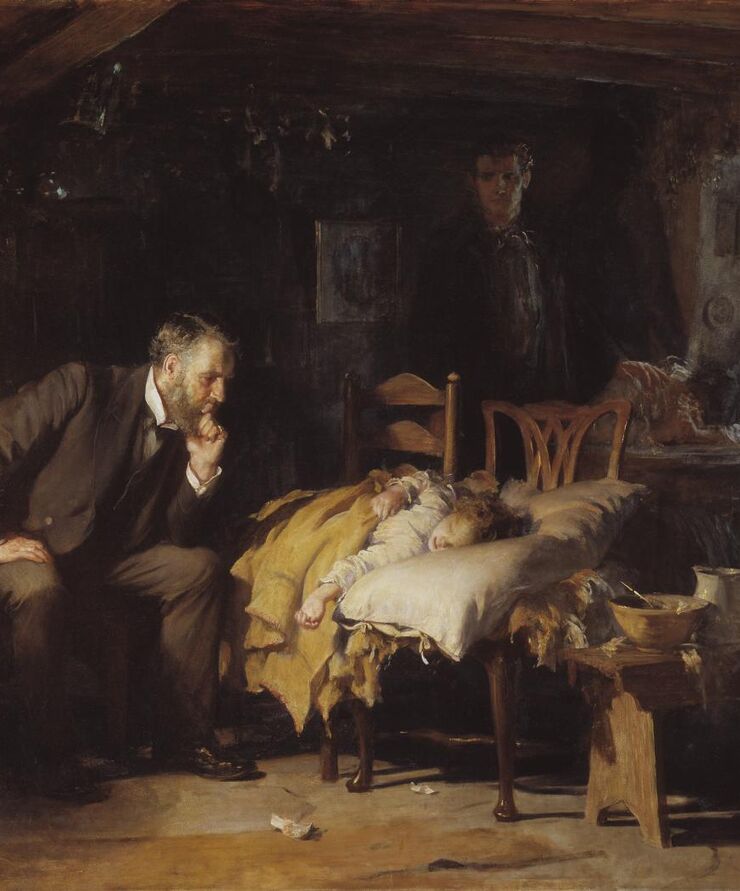
“How much credit should go to specific medical interventions … and how much to changed economic and social circumstances?” Rosenberg, “Framing Disease,” p. xv
Thomas McKeown’s The Modern Rise of Population (1976) argued that better food, more than medicine, cut tuberculosis deaths. The claim drew controversy (n. 7). The policy question follows: spend on cures, or on prevention (p. xv)?
1970s–80s · construction
Historians argued that societies help decide what counts as a disease
Social construction “has forcefully reminded us that medical thought and practice are rarely free of cultural constraint, even in matters seemingly technical.”
Discuss
When a society frames a disease differently, does the disease itself change, or only what it means to have it?
1970s–80s · blame
Ideas about disease have carried a society’s views of race, gender and class
“It is difficult indeed to think of any significant area of social debate and tension—ideas of race, gender, class, and industrialization—in which hypothetical disease etiologies have not served to project and rationalize widely held values and attitudes.”
Theories of cause
An etiology is a theory of what causes a disease. Such theories often carried, and justified, blame. The debate “has hardly ceased,” he wrote, citing AIDS (p. xxii).
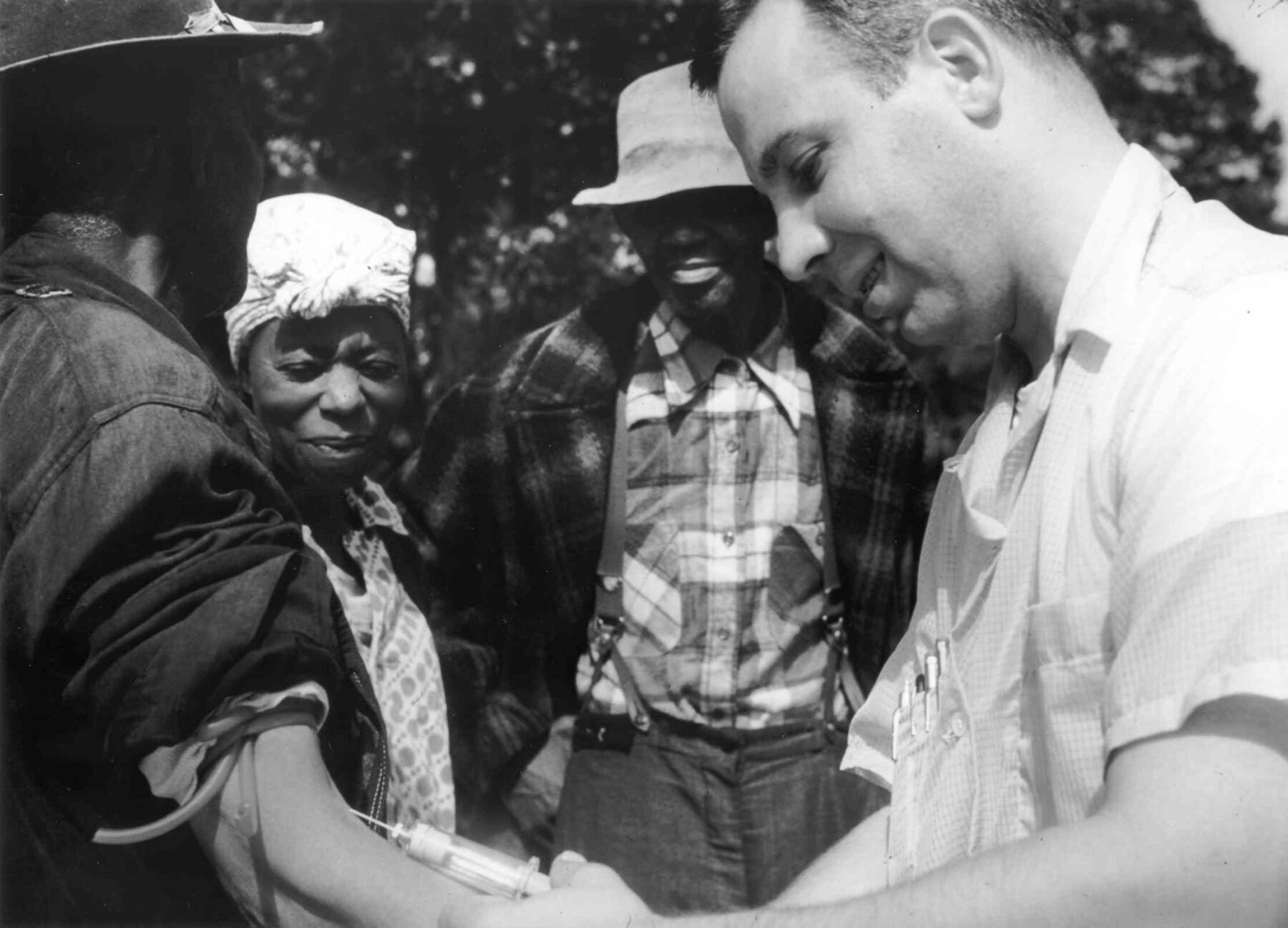
(National Archives. Public domain.)
(Université Paris Cité. Public domain.)
1985 · patients
Historians called for medical history from the patient’s side
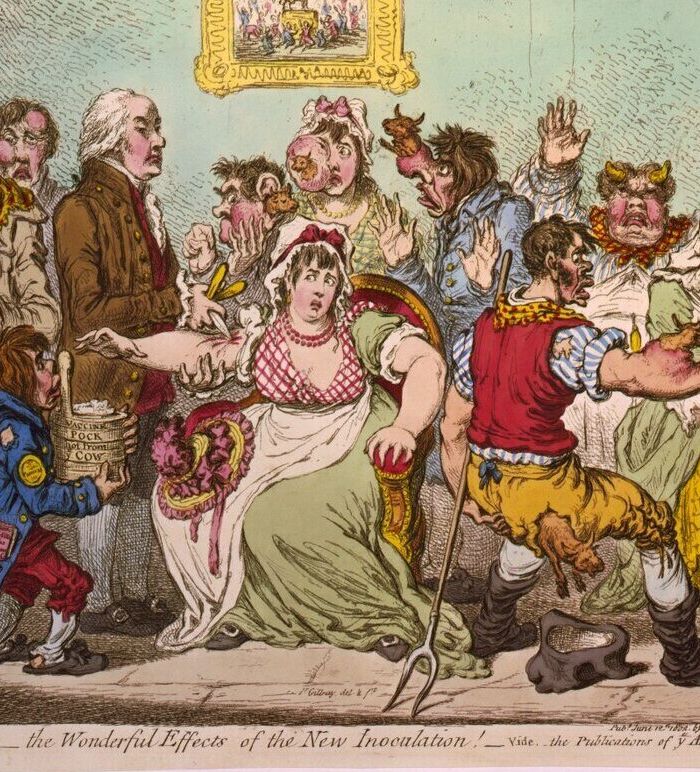
Rosenberg names, as one trend, “the emphasis among professional historians on social history and the experience of ordinary men and women.” Rosenberg, “Framing Disease,” p. xv
Roy Porter’s essay “The Patient’s View” (1985) asked for medical history from below, as workers’ history had been written from below.
1990 · childbirth
A midwife’s diary let a historian rebuild her medical practice
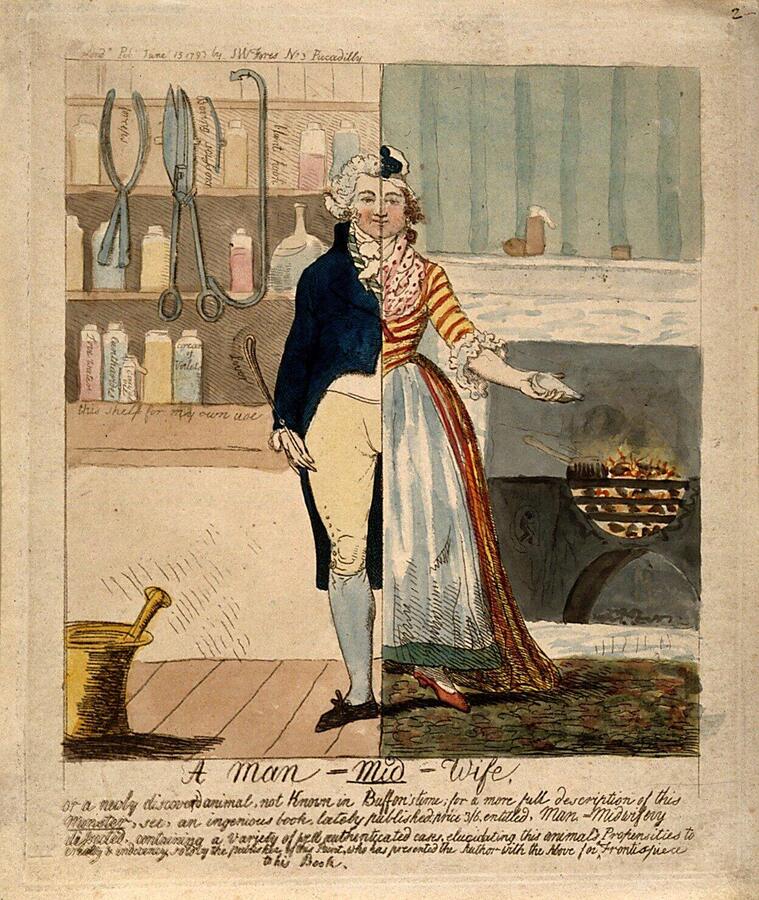
“Pregnancy and childbirth, for example, like epidemic disease have in recent years become an accepted part of the standard historical canon.” Rosenberg, “Framing Disease,” p. xv
Laurel Thatcher Ulrich’s A Midwife’s Tale (1990) used a Maine midwife’s diary of more than eight hundred births, 1785–1812. Women’s healing, missing from doctors’ histories, became evidence.
Rosenberg · 1992 · the field
Rosenberg mapped why historians turned to disease
Ordinary people
Social history: patients, childbirth, epidemics.
Public health
Did medicine or living conditions lengthen lives? Demographers counted.
Ecology
Disease as part of the environment, moving with people, animals and trade.
Social control
Diagnoses as labels for deviance; the most influential.
What all of them missed
How a disease gets defined, and what the definition does to lives, policy and care (Rosenberg, pp. xv–xvi).
Rosenberg · 1992 · reframing disease
Rosenberg treated disease as six things at once
A biological event
It happens in bodies, and in animals, whatever anyone calls it.
A vocabulary
A generation’s “verbal constructs,” shaped by medicine’s ideas and institutions.
A reason for policy
An occasion for public policy, and a potential justification of it.
A part of who you are
An aspect of a person’s social role and identity.
A sanction for values
A way a culture backs up what it values.
A relationship
A structuring element in how doctors and patients deal with each other.
Rosenberg, “Framing Disease,” p. xiii
Rosenberg · 1992 · frame
Rosenberg: a disease exists socially once it is named
“In some ways disease does not exist until we have agreed that it does, by perceiving, naming, and responding to it.”
Discuss
Cholera killed before anyone agreed what it was. In what sense did the disease “not exist”?
1993 · empire
Historians showed colonial medicine entering Indian homes
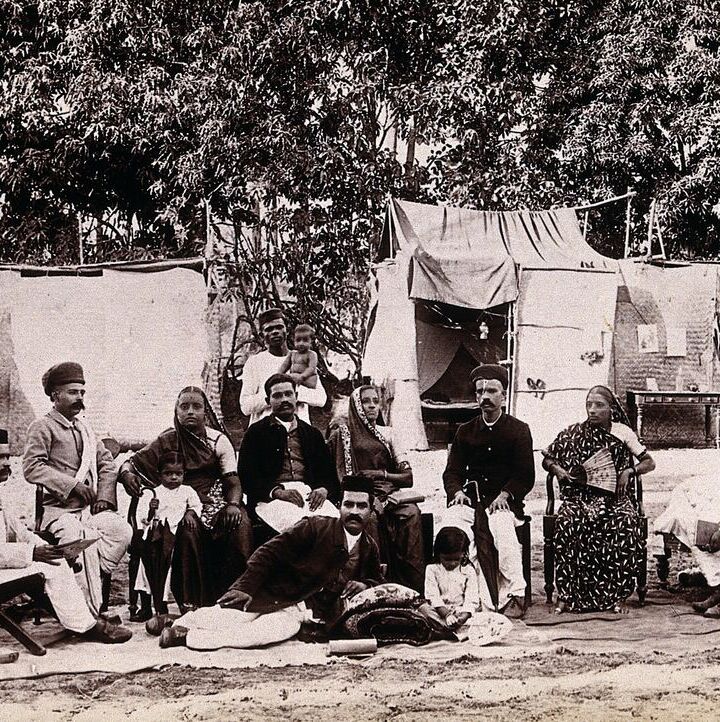
Rosenberg noted “a recent growth of interest in ‘imperial’ medicine” Rosenberg, “Framing Disease,” p. xxv n. 9
David Arnold’s Colonizing the Body (1993) showed that against plague in 1896–97, officials searched homes and moved families into camps. It argues that Indian resistance made officials back down.
Two fields · one course
Both fields moved from triumph to the people, interests and politics behind knowledge
Science
Great men and the birth of the modern world. Then inside and outside causes and Kuhn’s paradigms; then laboratory facts, political order and trust; then women, print that earned credit, objectivity’s history and circulation.
Medicine
Doctors’ histories of great men and germ hunters. Then society, the asylum and cholera; then disease and environment, doubts about medicine’s credit, patients, race, gender and empire, and disease as a frame.
Compare · the semester
The path of history itself: Ranke’s nations, then history from below, gender and the linguistic turn.
The take home
The history of knowledge shows its makers, and we are among them
“What we select inevitably represents our interests, even if we aim all the while to ‘tell it like it really was.’ That is to say, there is inevitably something of ‘us’ in the stories we tell about the past.”
Science and medicine have histories because people made them, trusted them and named things with them. What we take as settled now will have a history too.
Next · 14.2 · environmental history
Next time, nature itself helps make history
A century from now, what will historians say we got wrong about science or medicine, and how will they know?